Blog
Guides, comparisons, and best practices for onscreen marking and digital evaluation.

How to Set Up a High-Speed Answer Sheet Scanning Station
Step-by-step guide to setting up an answer sheet scanning station for onscreen marking. Covers hardware, software, workflow, and best practices for scanning 50+ booklets per batch.
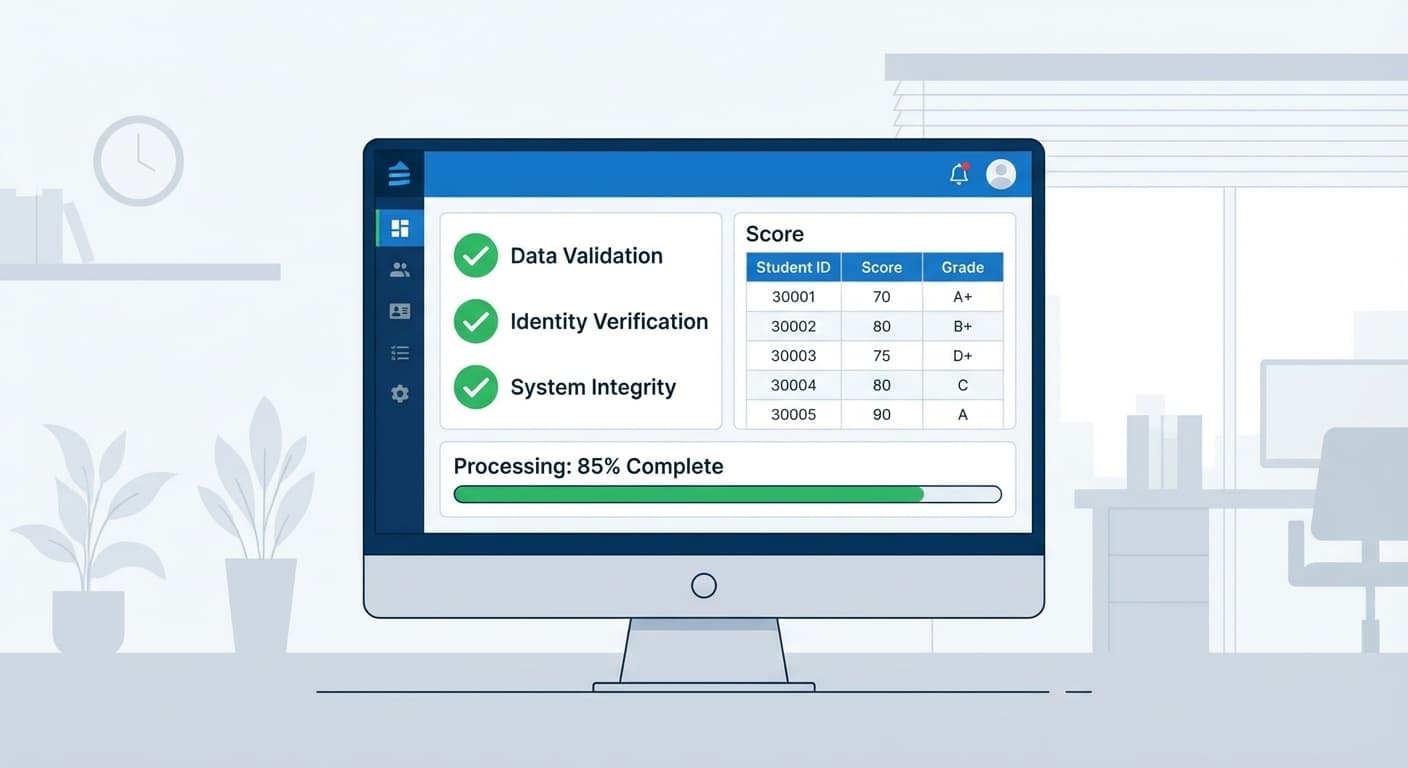
9-Point Validation: How to Eliminate Result Processing Errors in University Exams
Learn how automated result processing with 9-point error validation eliminates totalling errors, catches score discrepancies, and ensures error-free result publication for university exams.

Onscreen Marking vs Traditional Paper Evaluation: A Complete Comparison
A detailed comparison of onscreen marking (OSM) and traditional paper-based evaluation. Covers speed, accuracy, cost, security, and scalability for Indian universities.

Answer Book Inwarding: How to Track Every Booklet from Receipt to Result
A complete guide to the answer book inwarding process — QR code registration, batch tracking, chain of custody, and how digital inwarding eliminates missing booklets and miscounts.
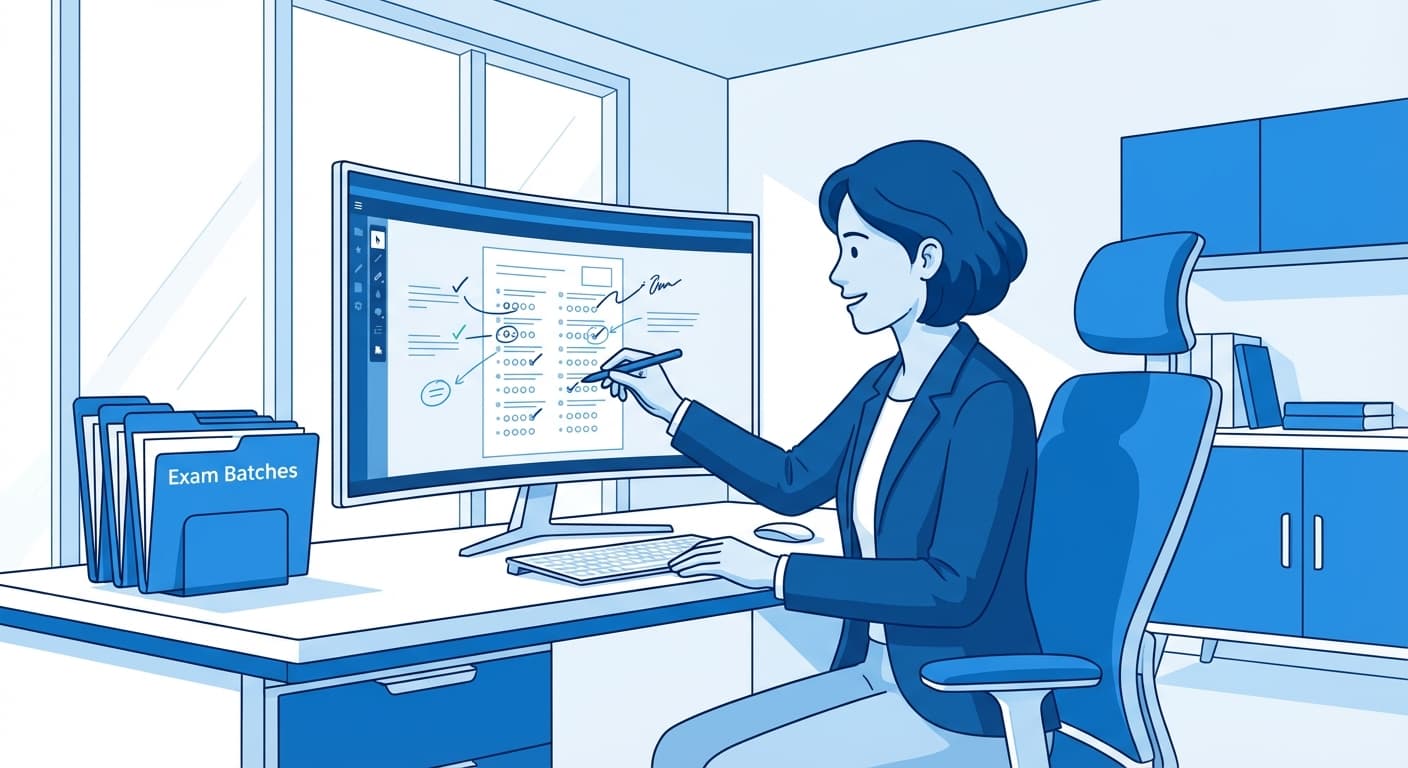
What is Onscreen Marking? A Complete Guide for Universities
Onscreen marking (OSM) is a digital evaluation method where examiners mark scanned answer sheets on a computer screen instead of paper. Learn how it works, its benefits, and how to implement it.
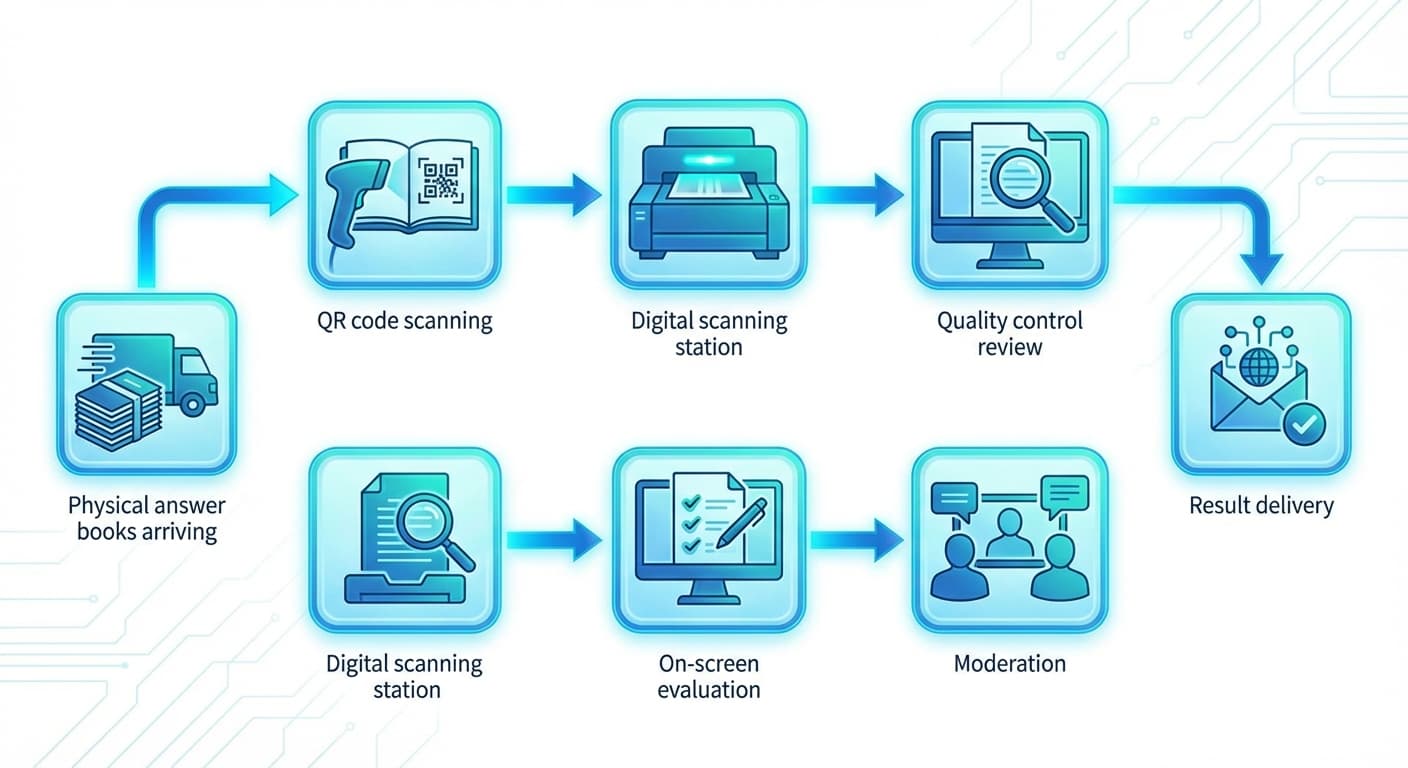
End-to-End Exam Evaluation: From Physical Answer Books to Published Results
How MAPLES OSM manages the complete answer book lifecycle — inwarding, scanning, quality control, evaluation, moderation, result processing, and delivery — so institutions don't have to worry about a thing.
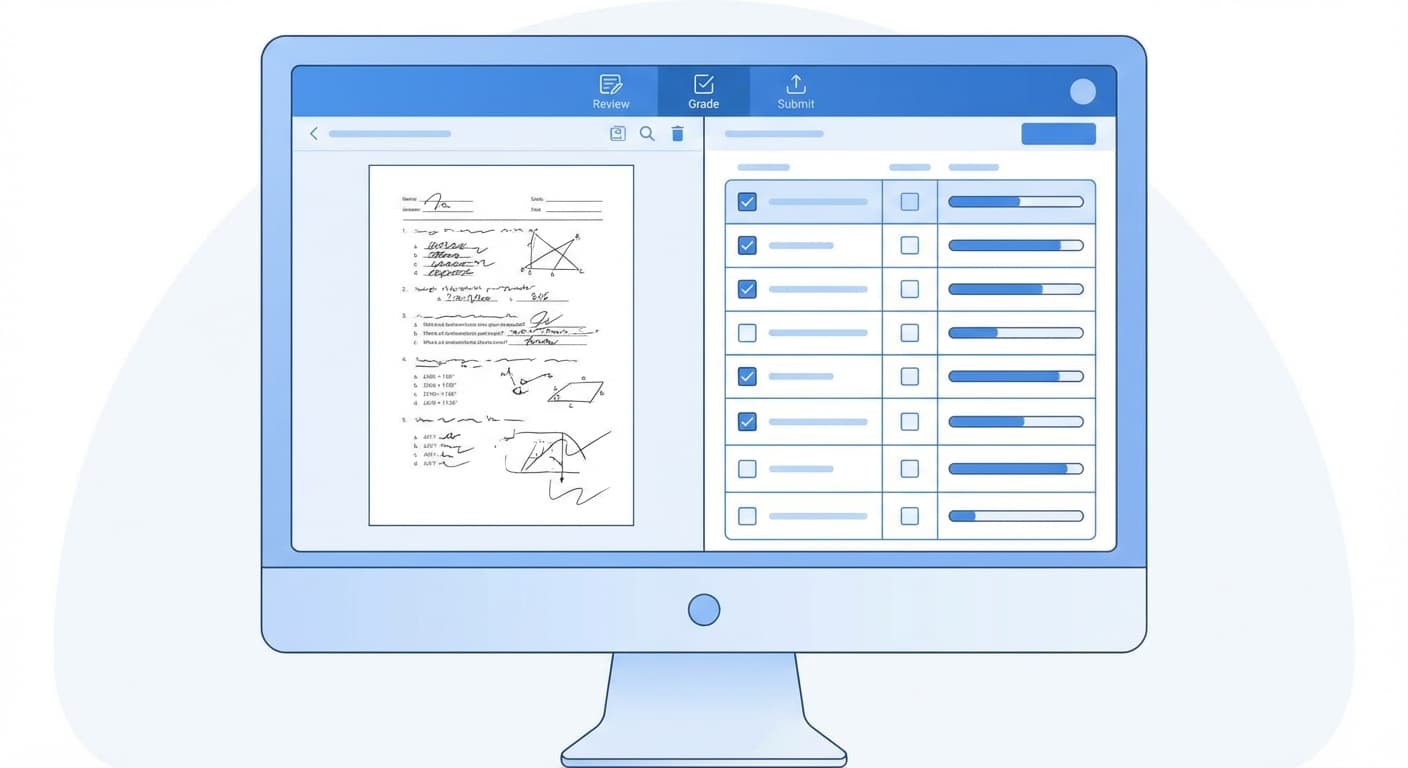
How to Use MAPLES OSM: Part 2 — Evaluating Answer Sheets
A complete guide to marking answer books in MAPLES OSM — the 3-panel evaluation interface, placing tick and cross marks, keyboard shortcuts, rejecting papers, reporting malpractice, and completing evaluation.
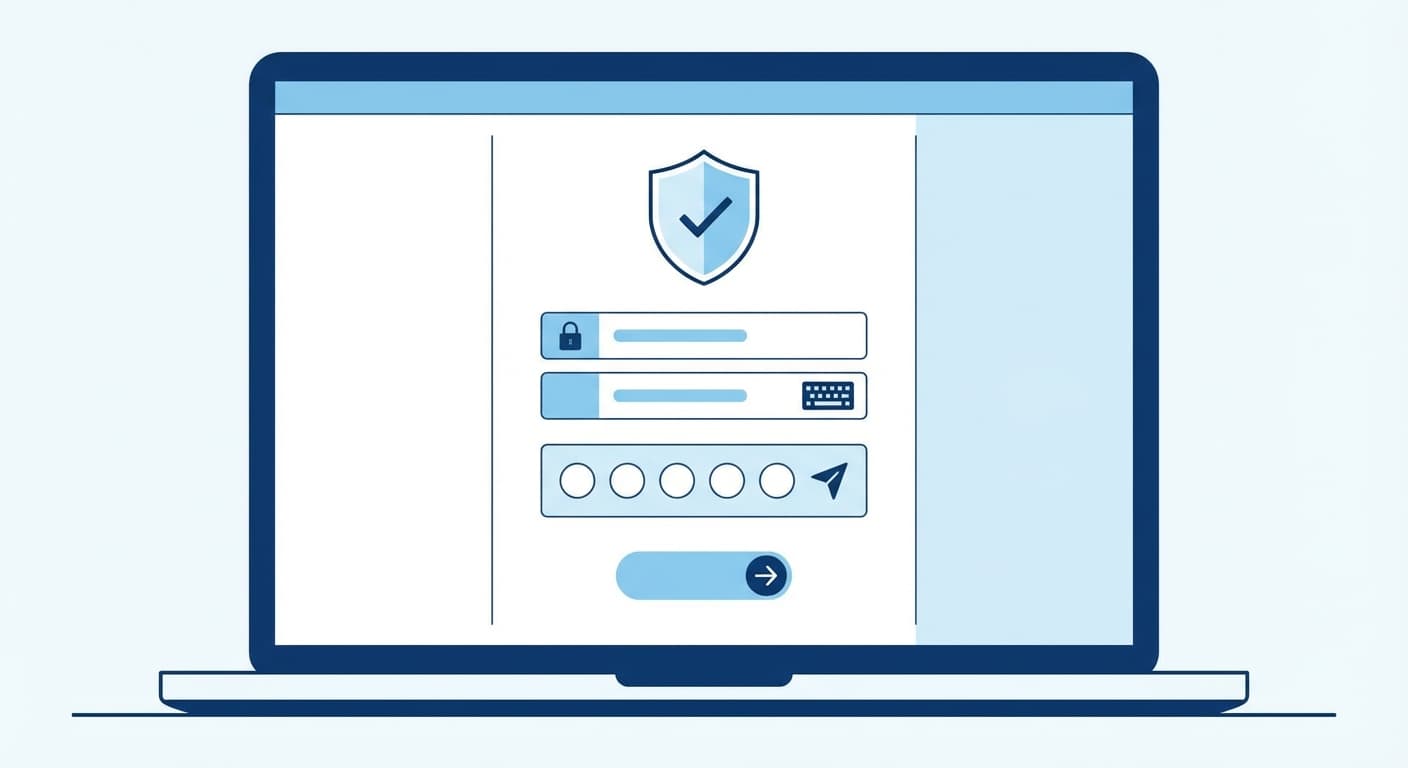
How to Use MAPLES OSM: Part 1 — Getting Started
A step-by-step guide for evaluators and moderators to log in, verify OTP, navigate the dashboard, request answer books, and understand evaluation statuses in MAPLES OSM.
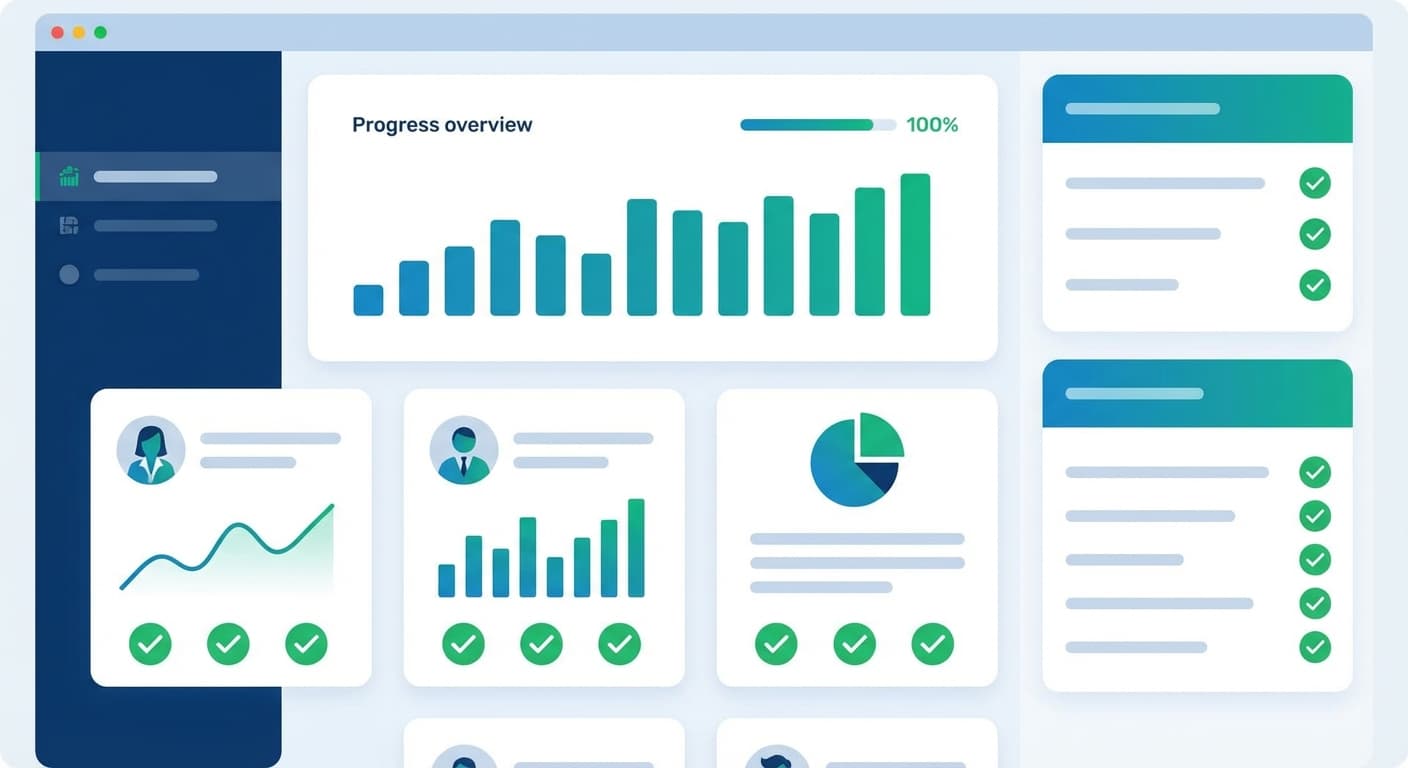
How to Use MAPLES OSM: Part 3 — Moderation & Verification
A guide for moderators on verifying evaluations, comparing evaluator marks, issuing warnings, reallocating workloads, and admin answer book assignment in MAPLES OSM.
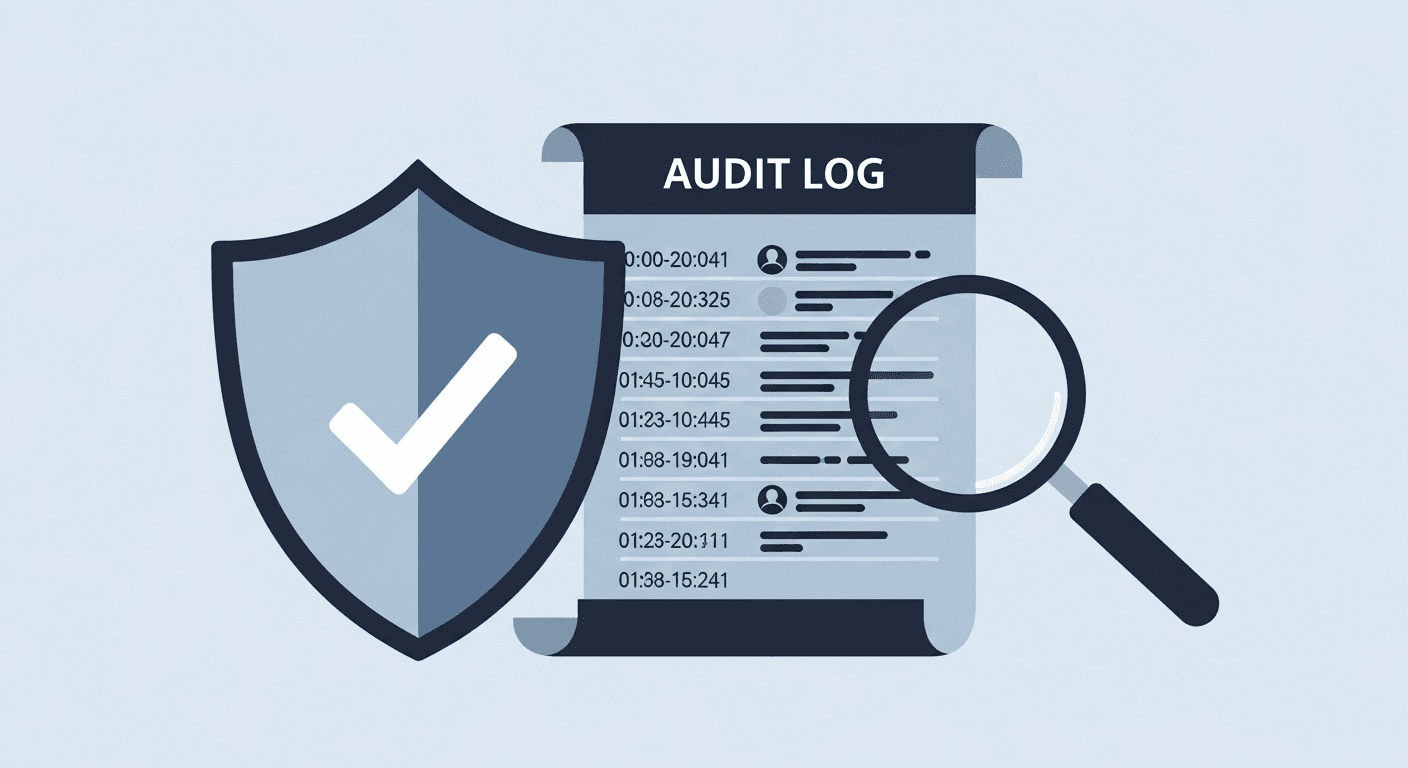
RTI Compliance in Exam Evaluation: Why Audit Trails Matter
Indian exam boards face increasing RTI requests about evaluation processes. Here's why comprehensive audit trails are essential — and how digital evaluation makes RTI compliance automatic.

Understanding Double Valuation: How Two-Evaluator Systems Prevent Marking Errors
Double valuation is one of the most effective quality control mechanisms in exam evaluation. Here's how it works, when to use it, and how digital platforms make it practical at scale.
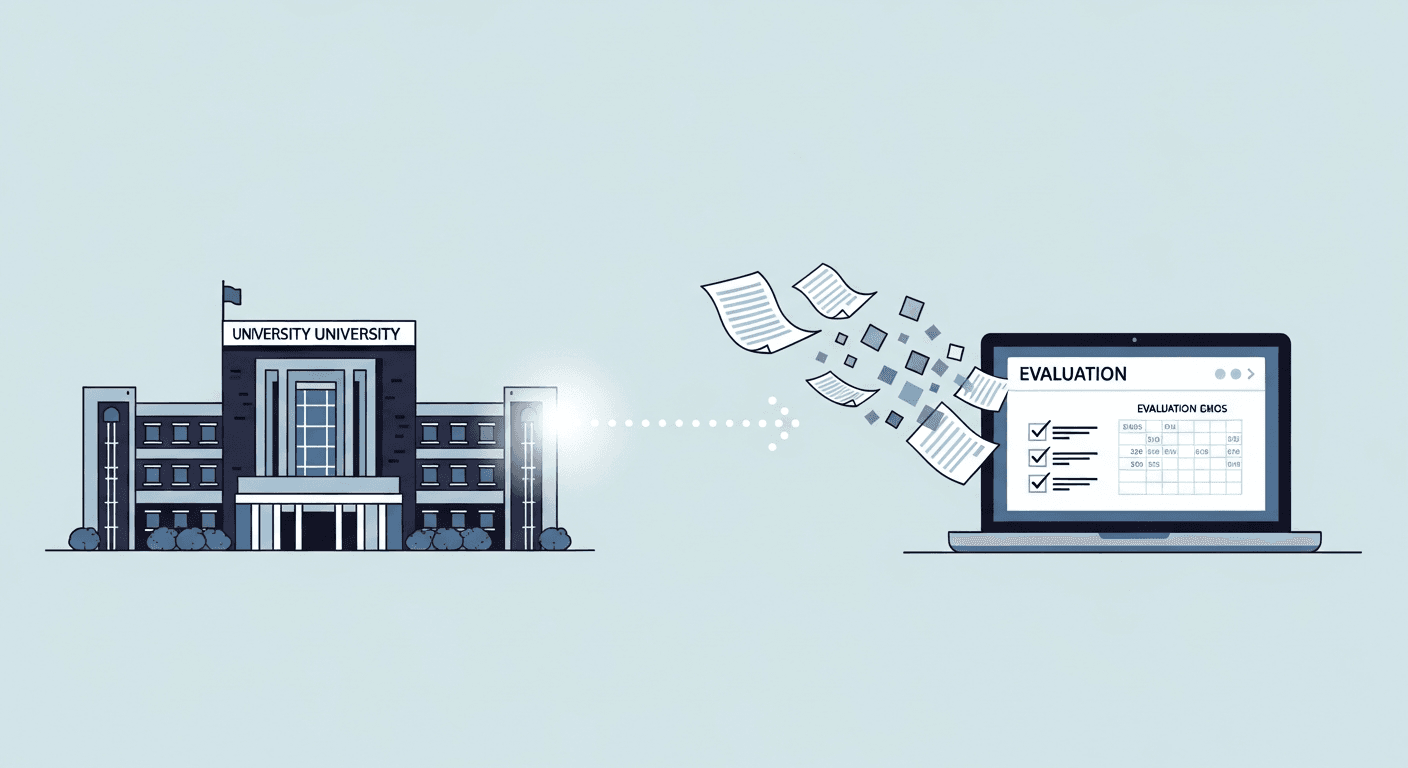
Why Indian Universities Are Moving to Digital Evaluation in 2026
The shift from paper-based to digital answer script evaluation is accelerating across Indian universities and exam boards. Here's what's driving the transition — and what it means for institutions still on paper.
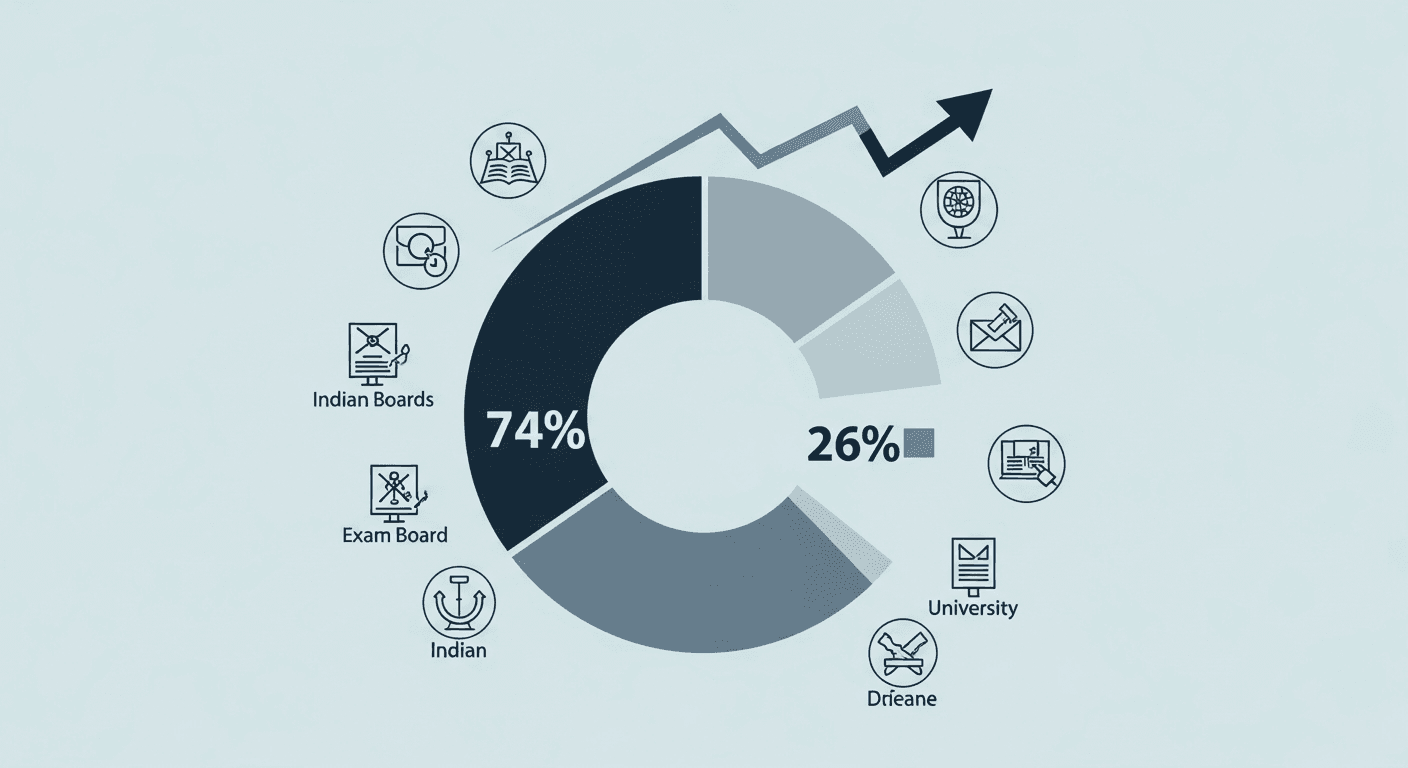
74% of Indian Examination Boards Have Adopted Digital Evaluation — What's Driving the Shift?
Nearly three-quarters of Indian examination boards now use some form of digital evaluation. Here's what's driving adoption, which boards are leading, and what the remaining 26% are waiting for.
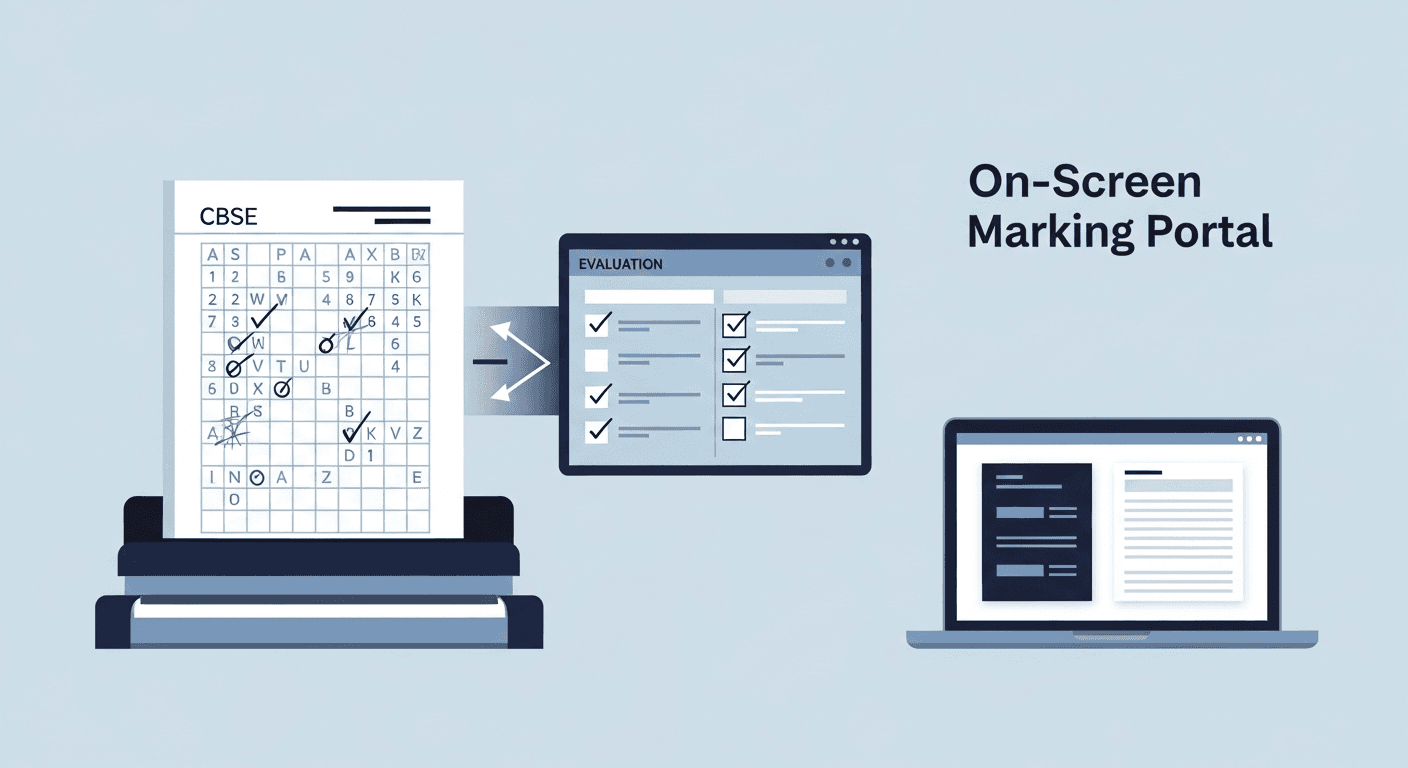
CBSE Introduces On-Screen Marking for Class 12: What It Means for Digital Evaluation in India
CBSE's February 2026 announcement brings on-screen marking to 46 lakh Class 12 students. Here's what the move means, what challenges emerged during mock evaluations, and what it signals for digital evaluation across India.

Faster Results, Better Rankings: How Exam Reform Impacts NIRF Graduation Outcomes
NIRF's Graduation Outcomes parameter measures placement rates, higher education enrollment, and student success. Here's how faster digital evaluation directly improves these metrics.

How Digital Evaluation Directly Improves Your NAAC Accreditation Score
NAAC's revised framework is now 70% ICT-based scoring. Here's how switching from paper to digital evaluation directly strengthens your institution's accreditation metrics across multiple criteria.

5 Lessons from Large-Scale On-Screen Marking Rollouts (That CBSE Learned the Hard Way)
CBSE's OSM rollout for 46 lakh students hit technical glitches, training gaps, and teacher pushback. Here are 5 lessons from institutions that have navigated these challenges across multiple evaluation cycles.

Is AI Checking Your Exam Papers? Separating Fact from Fear in Digital Evaluation
Social media rumors claim AI is grading CBSE board exams. Here's what's actually happening with AI in digital evaluation — what it can do, what it can't, and why human evaluators remain essential.
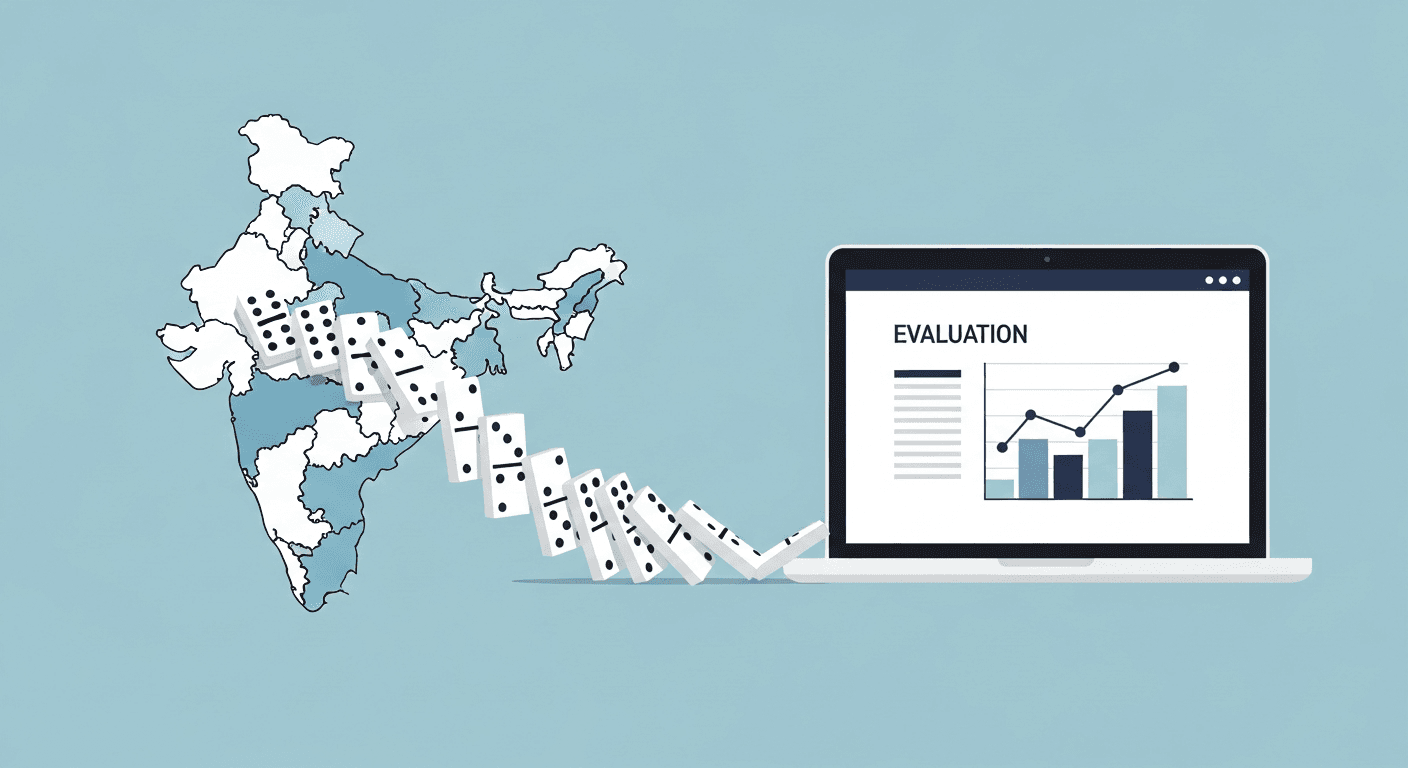
Punjab Board Goes Digital: State Boards Follow CBSE's Lead on On-Screen Marking
Punjab becomes one of the first state boards to adopt end-to-end digital evaluation for March 2026 exams. Rajasthan introduces digital mark entry. The CBSE domino effect is real.

The Hidden Costs of Paper-Based Exam Evaluation
Paper evaluation costs far more than most institutions realize. Beyond answer booklet printing, there are evaluator camps, physical logistics, storage, totalling errors, and re-evaluation — costs that digital evaluation eliminates.
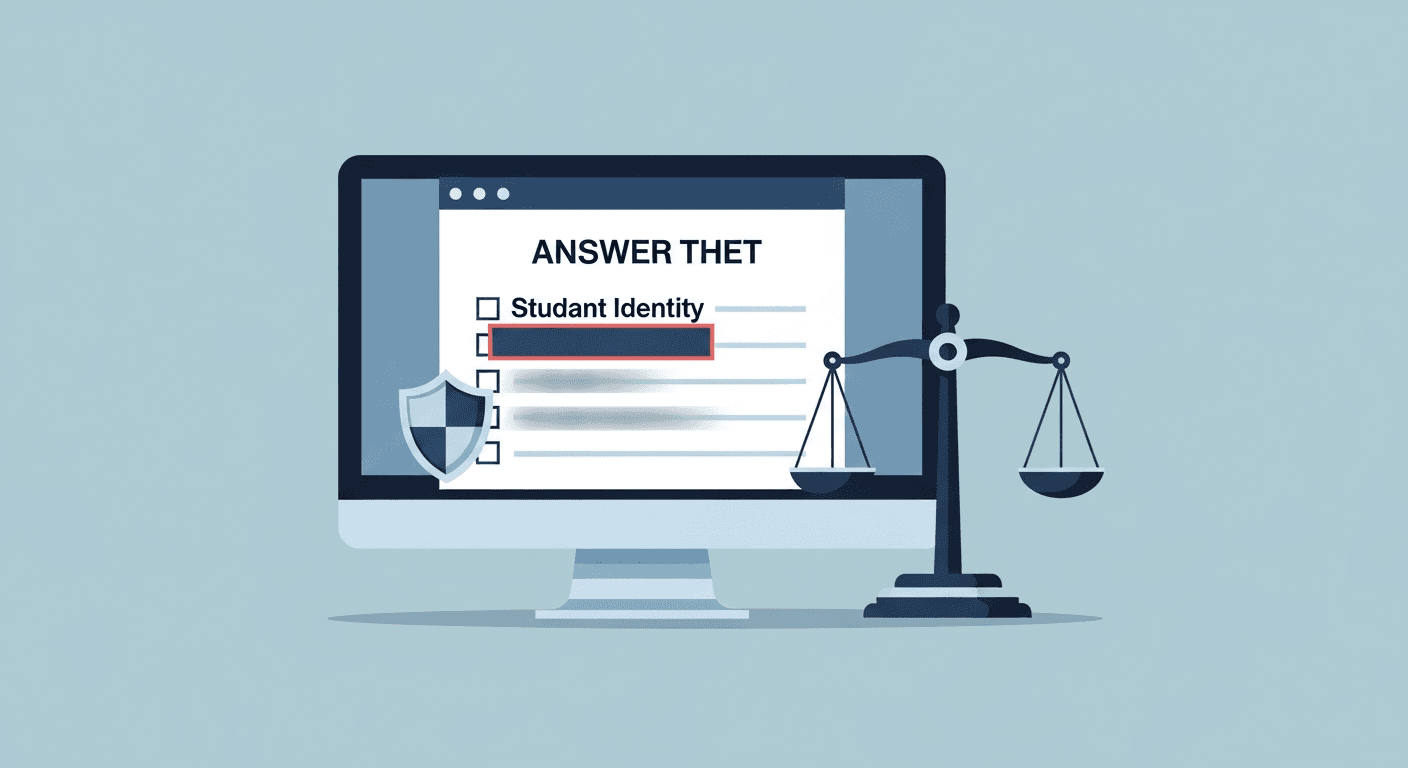
How Evaluator Anonymity Eliminates Bias in Exam Grading
Bias in exam evaluation is a documented problem — from regional favoritism to handwriting prejudice. Here's how digital evaluation enforces true double-blind anonymity and what it means for fair grading.
CBSE's On-Screen Marking Hit by Technical Glitches: Lessons for Every Institution Going Digital
CBSE's March 2026 OSM rollout faced server crashes, login failures, and teacher burnout. Here's what went wrong, why it happened, and the five things every institution must get right before launching digital evaluation.
Different Paper Sets, Different Futures: How Digital Moderation Solves the Difficulty Disparity Problem
CBSE Class 12 Physics and Class 10 Maths papers sparked outrage over unequal difficulty across sets. A PIL has been filed. Here's how digital evaluation with real-time moderation can detect and correct scoring anomalies before results are declared.

Evaluator Conduct in the Digital Age: Why CBSE Warned Teachers During the 2026 Evaluation Season
In March 2026, CBSE formally warned teachers involved in evaluation against posting opinions and experiences on social media. The episode reveals why evaluator conduct rules are becoming more important as digital evaluation scales.

The Fake Paper Leak Epidemic: How Indian Boards Are Fighting Exam Misinformation in 2026
No major paper leak was confirmed during India's 2026 board examination season, yet millions of students were targeted by fake leak scams. Here is how boards, police, and technology are responding.

NEP 2020's Assessment Overhaul: What 50% Competency-Based Questions Mean for Exam Evaluation
CBSE's 2026 board exams now require 50% competency-based questions. Here is what the NEP 2020 assessment shift means for how papers are set, evaluated, and what evaluators must look for.

CBSE Eliminates Marks Verification for Class 12: What OSM Makes Possible
CBSE has abolished post-result marks verification for 18.5 lakh Class 12 students from 2026, citing zero totalling errors under On-Screen Marking. Here is what this policy shift means and why it matters for every board exam in India.

NBA Accreditation in 2026: Why Engineering Colleges Need Digital Evaluation
NBA's updated SAR 2025 format under GAPC v4.0 demands richer assessment data for CO-PO mapping and Outcome-Based Education. Digital evaluation provides exactly the structured, verifiable records that NBA assessors need to see.

NIRF 2026 Doubled the Graduation Exam Parameter: Is Your Institution Ready?
NIRF 2026 increased the Graduation University Examination parameter weight from 5% to 10% while cutting Peer Perception. Universities that deliver consistent on-time examination outcomes will climb the rankings — here is why digital evaluation is the critical enabler.
When Courts Rule on Exams: Why Digital Double-Valuation Is Now Legal Best Practice
Indian High Courts in 2026 are consistently upholding digital evaluation systems and dismissing re-evaluation challenges. The legal record is becoming a powerful argument for institutions to adopt structured digital workflows.

NAAC's Binary Accreditation and MBGL: What Your Examination Data Must Deliver
NAAC's 2025 overhaul replaces CGPA grades with Binary Accreditation and Maturity-Based Graded Levels. Institutions must now supply AI-verifiable digital data. Here is how examination systems factor in.

UGC's 2025 Minimum Standards: How Continuous Assessment Is Reshaping University Examination
The UGC (Minimum Standards of Instruction) Regulations, 2025 mandate credit-based continuous assessment across Indian universities. Here is what changed and why digital evaluation infrastructure is now essential.

Evaluator Performance Analytics: The Quality Intelligence Layer in Digital Exam Evaluation
Digital evaluation doesn't just digitise marking — it generates a new category of quality data about evaluators themselves. Here's how boards and universities are using evaluator performance analytics to raise marking consistency across their entire examination system.

India's April–May Evaluation Season: Managing the World's Largest Marking Rush
Every April and May, India runs the world's largest exam evaluation operation — hundreds of millions of answer scripts checked in under 45 days. Here's how digital evaluation is the only infrastructure capable of meeting that scale.

Autonomous College, Autonomous Exams: Why UGC Autonomy Demands Better Evaluation Infrastructure
UGC-granted autonomous colleges manage their own examinations independently — but that independence comes with full accountability for examination governance. Digital evaluation is increasingly how autonomous institutions demonstrate they can handle it.

Chhattisgarh Cancels Class 12 Hindi Exam After Paper Leak: The Full Story
The CGBSE Class 12 Hindi paper was leaked on WhatsApp before the examination began, forcing the board to cancel and reschedule the exam to April 10, 2026. Here is what happened and what it reveals about exam integrity.

What Your IQAC's AQAR Actually Needs From Your Examination System
NAAC's Annual Quality Assurance Report requires specific examination data under Criterion 2. Institutions that rely on paper-based evaluation struggle to produce it — and it shows in their accreditation outcomes.

ChatGPT in the Exam Hall: Maharashtra's 2026 Cheating Scandal Explained
Maharashtra's Class 12 board exam was disrupted by a paper leak paired with AI-generated answers via ChatGPT — 81 teachers were suspended. Here is what happened and what it means for examination security.
NEP 2020's Four-Year Degree: Why Universities Now Need Digital Evaluation Infrastructure
The FYUGP's eight-semester structure, multiple exit points, and mandatory internal assessment have multiplied the evaluation workload at Indian universities. Most institutions underestimated what this would require.

The Paper Mountain: Counting the Environmental Cost of India's Exam Season
India's board and university exams consume hundreds of millions of answer booklets each year. As institutions build sustainability credentials for accreditation and rankings, the environmental case for digital evaluation is no longer peripheral.
When Wrong Marks Kill: The Human Cost of Evaluation Errors in Indian Exams
Recurring student deaths following exam result errors in Telangana, Madhya Pradesh, and beyond reveal a systemic failure in manual evaluation. The data is stark — and the solution is not abstract.

What It Is Actually Like to Be a Digital Evaluator in India
Tens of thousands of Indian university teachers now mark exam papers on a screen instead of at a central evaluation camp. Here is what has changed for them — the workload, the flexibility, the pressure, and the professional experience.

India's Public Examinations Act 2024: What Every University Must Know
India's first dedicated exam integrity law carries prison terms up to 10 years. Here is what the Public Examinations (Prevention of Unfair Means) Act 2024 requires and how digital evaluation systems help institutions stay compliant.

The UGC NET December 2025 Paper Leak: Anatomy of a Recurring Failure
The CSIR-UGC NET December 2025 paper circulated online a full day before the exam. Two were arrested in Haryana. This is a detailed account of how the leak happened and the structural changes that would stop it from happening again.
Academic Bank of Credits: Why Digital Evaluation Infrastructure Is Now Non-Negotiable
The UGC has mandated 100% Academic Bank of Credits registration for all students from 2025-26. For universities to comply, their evaluation systems must produce audit-grade digital records — and paper-based marking no longer fits that requirement.

NTA's Biometric Overhaul: How India's Entrance Exams Are Fighting Fraud in 2026
The National Testing Agency is deploying facial recognition and live biometric checks across JEE and NEET from 2026. Here is what changed, why it happened, and what it means for exam integrity in India.

Grace Marks, Protests, and the Transparency Gap: What SPPU's 2025 Crisis Reveals
In July 2025, hundreds of students protested outside Savitribai Phule Pune University over grace marks irregularities and result errors. The controversy exposes systemic weaknesses in how Indian universities handle exam outcomes.
CBSE's Twice-a-Year Class 10 Exams Are Doubling the Evaluation Burden
CBSE's new two-attempt policy for Class 10 board exams starting 2026 means double the answer books, double the correction work, and no proportional increase in evaluator capacity. How digital evaluation offers a path forward.
Digital Evaluation for Open and Distance Learning: Meeting UGC Standards at Scale
India's 4.4 million open and distance learning students sit exams across dispersed centres under UGC-DEB regulations. Digital evaluation helps ODL institutions demonstrate the evaluation rigor that NAAC and UGC now require.
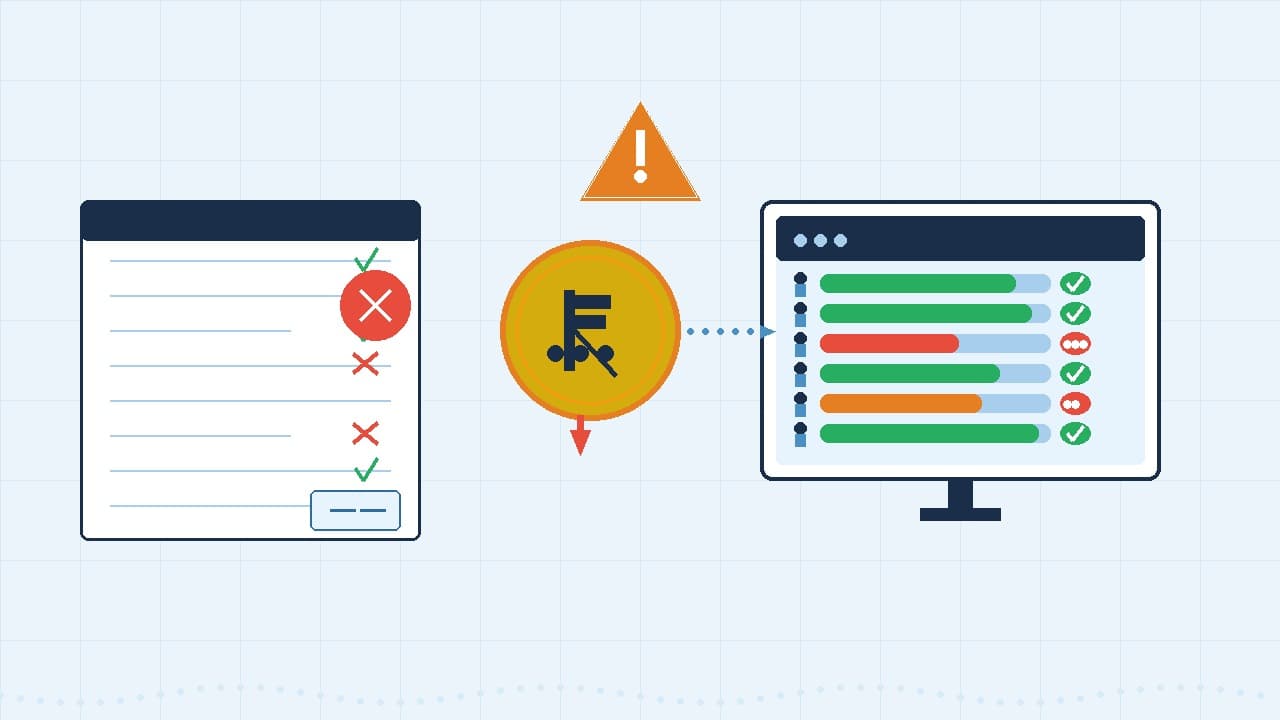
MP Board's Rs 200 Error Penalty: Accountability Without Infrastructure
Madhya Pradesh's move to fine evaluators Rs 200 per confirmed marking error is an unusually direct attempt to enforce evaluation quality. What it gets right, what it misses, and what a systemic approach looks like.

From Answer Scripts to Curriculum Insights: Using Evaluation Data to Improve Teaching
Digital evaluation generates far more than grades. AI-powered analysis of answer script data reveals learning gaps, course outcome attainment, and instructional effectiveness — evidence that accreditors increasingly require.

The 100-Point NIRF Perception Score: How Examination Transparency Wins Rankings
NIRF's Perception parameter carries 100 out of 1,000 ranking points — 10% of your total score. Institutions with transparent, auditable examination systems consistently outperform peers on this often-overlooked dimension.

PARAKH Explained: What India's New Assessment Regulator Means for University Exams
PARAKH, India's national assessment regulatory body under NEP 2020, is standardising evaluation frameworks across state boards and universities. Here is what institutions must know about compliance and infrastructure.

Maharashtra's QR Code Marksheet: Closing the Digital Evaluation Loop
Maharashtra is merging marksheets and certificates into a single QR-verified document. It is the clearest signal yet that the digital chain from evaluation to credential is nearly complete.

Ajmer University's Answer Sheet Breach: A Chain of Custody Failure
A viral video from MDSU Ajmer showing students near answer books has exposed a structural weakness in physical evaluation — one that no new rule can fully fix.

53 Lakh Students, Two Holidays, and a Missed Deadline
UP Board extended its Class 10 and 12 evaluation deadline because Eid and Ram Navami fell during checking season. This happens every year — and it does not have to.
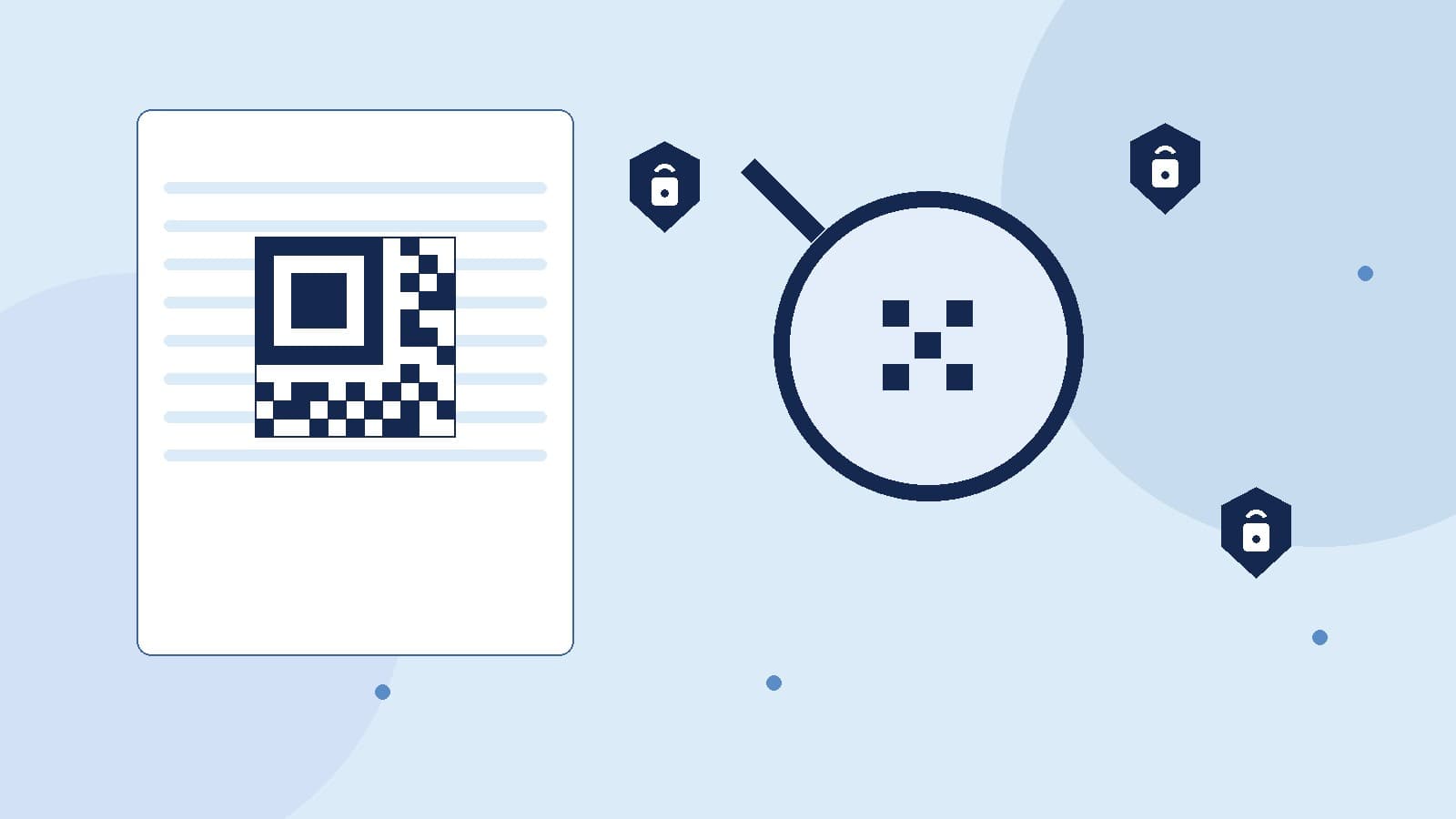
CBSE's QR Code Controversy: The Rickroll Incident and How Exam Paper Security Actually Works
CBSE issued an April 2026 advisory after QR codes on board exam papers sparked viral misinformation. The episode reveals both how modern paper security works and where its limits lie.
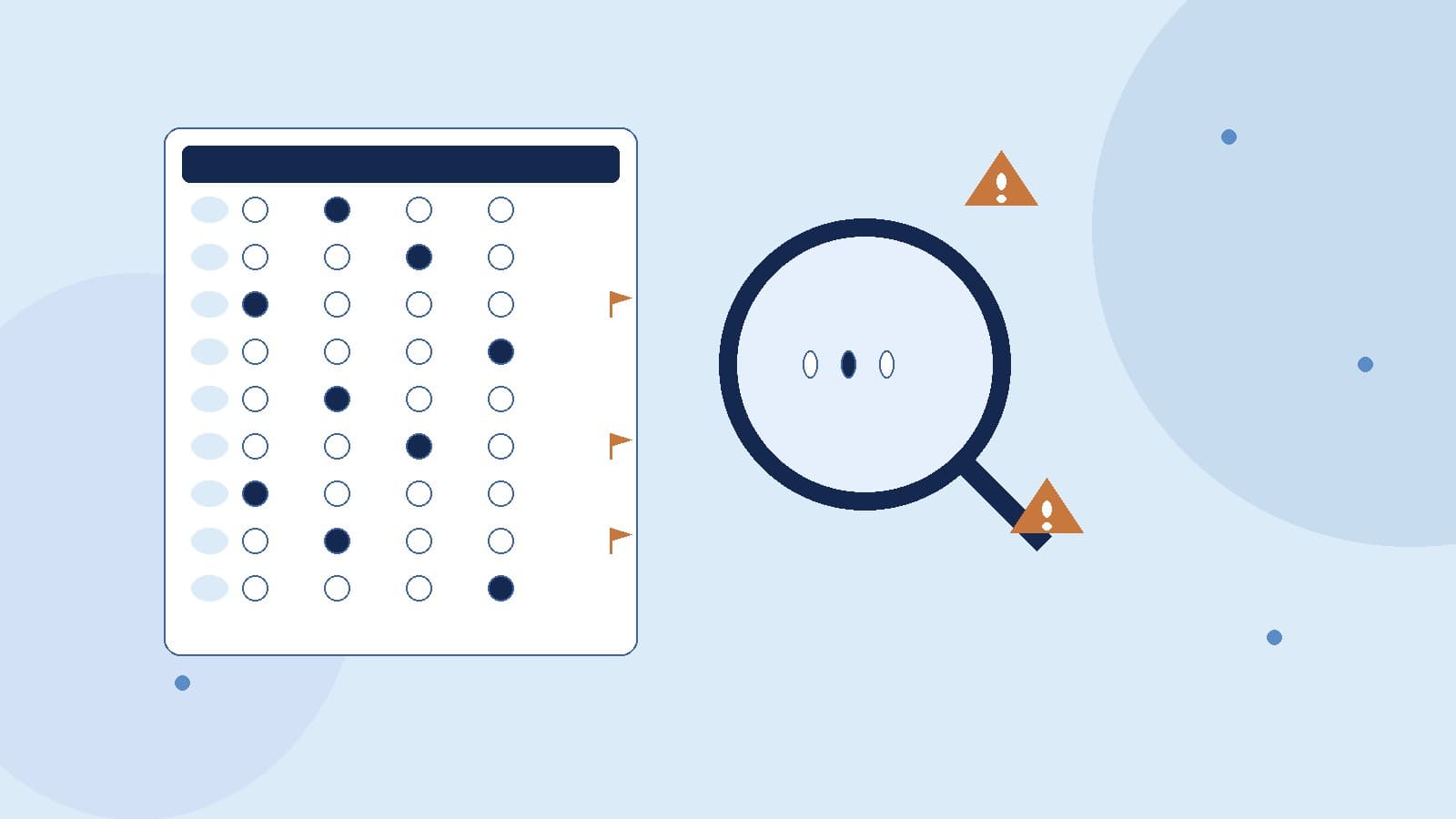
JEE Main 2026 Answer Key: 17 Errors, 9 Dropped Questions, and What It Reveals About Exam Integrity
CFI flagged 17 errors in JEE Main 2026 Session 1's answer key, and NTA ultimately dropped 9 questions. What this high-stakes controversy reveals about how evaluation quality failures ripple across 13 lakh students.
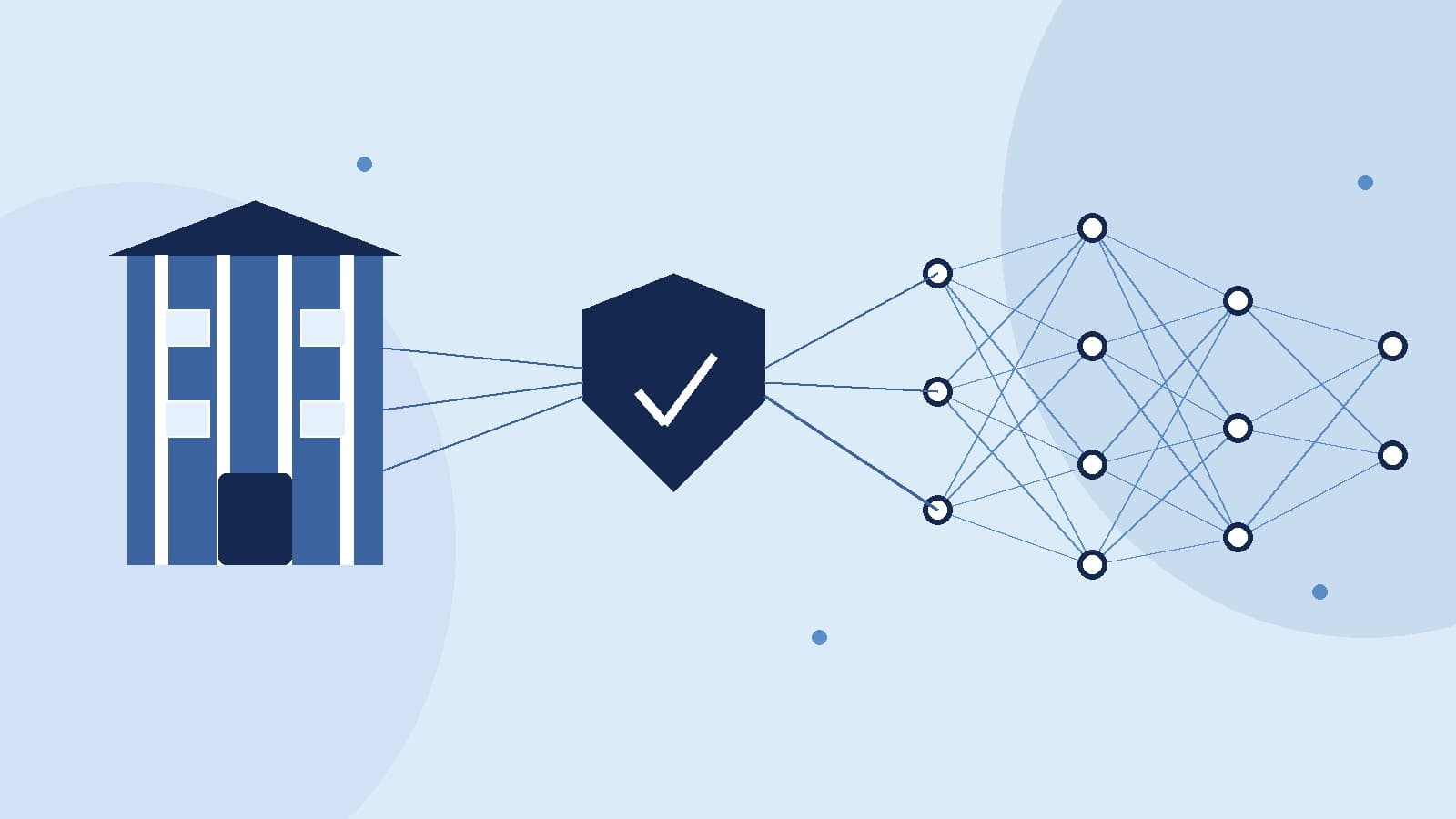
NAAC's AI Accreditation System Ends Physical Inspections: What Colleges Must Do Now
NAAC has replaced its 30-year-old peer visit model with AI-driven validation from August 2025. Institutions that lack verifiable digital records will fail the credibility score. Here is what the shift means for exam evaluation data.
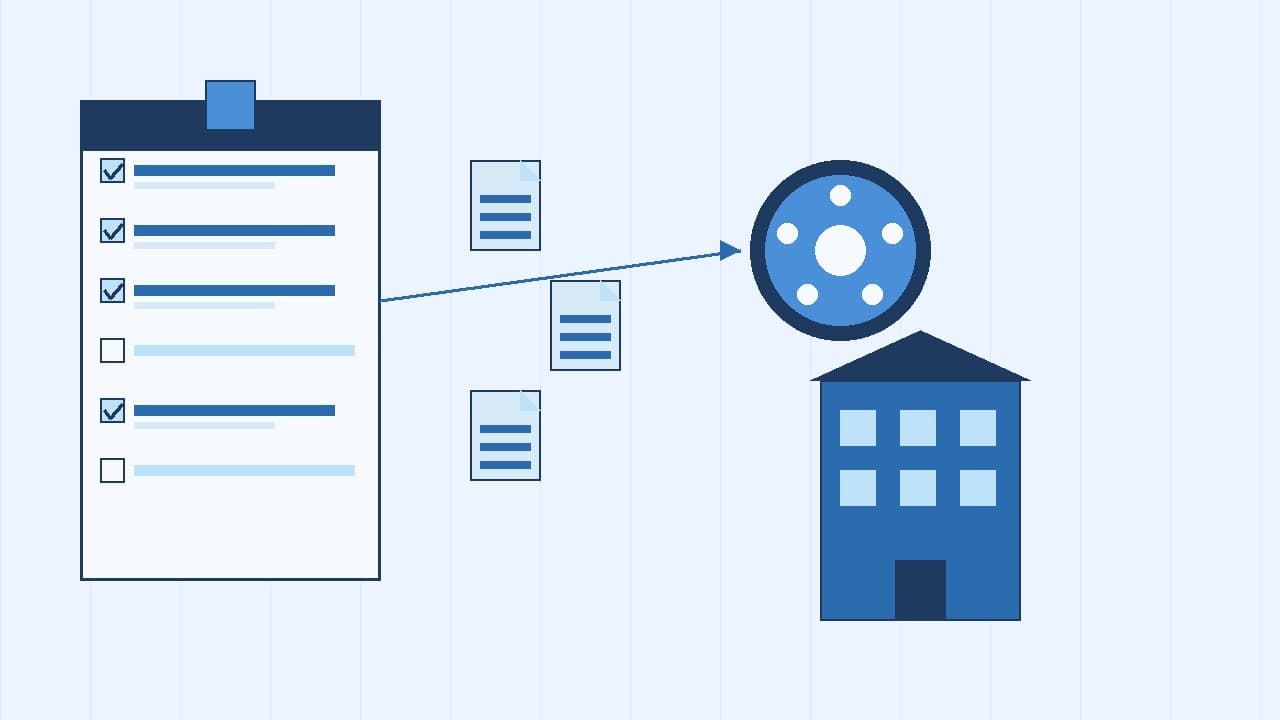
What NAAC Peer Teams Check in Criterion 2: An Evaluation Evidence Guide
Criterion 2 carries 350 points in NAAC's framework — the highest of the seven criteria. Here is exactly what peer teams verify during site visits, and how digital evaluation systems generate this evidence automatically.
After the NAAC Bribery Arrests: Why Audit-Proof Evaluation Data Now Matters
The CBI's 2025 arrest of a NAAC inspection committee chairman and six members for bribery exposed how easily subjective inspection processes can be corrupted — and why tamper-proof evaluation records are now an institutional necessity.
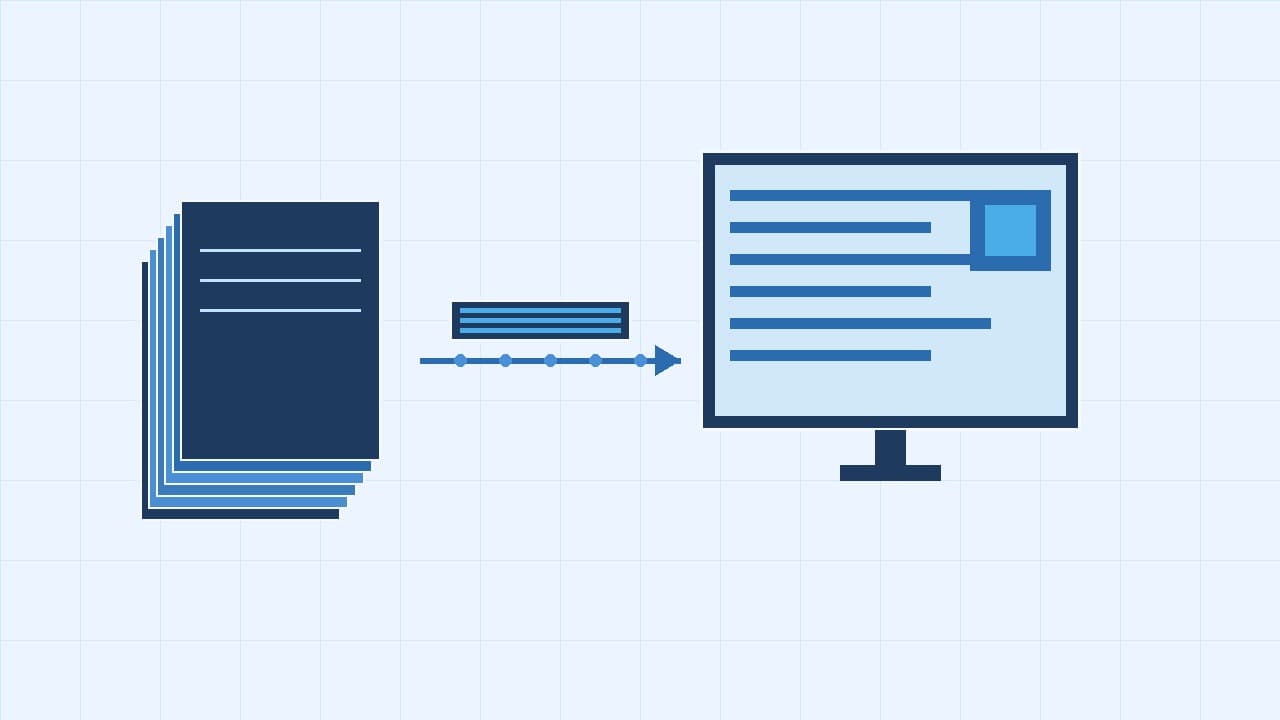
Tamil Nadu SSLC 2026: Inside India's Largest State Evaluation Challenge
With 8.8 lakh answer scripts entering evaluation from April 6, Tamil Nadu's SSLC season illustrates why India's state boards urgently need a digital answer to paper-based checking.
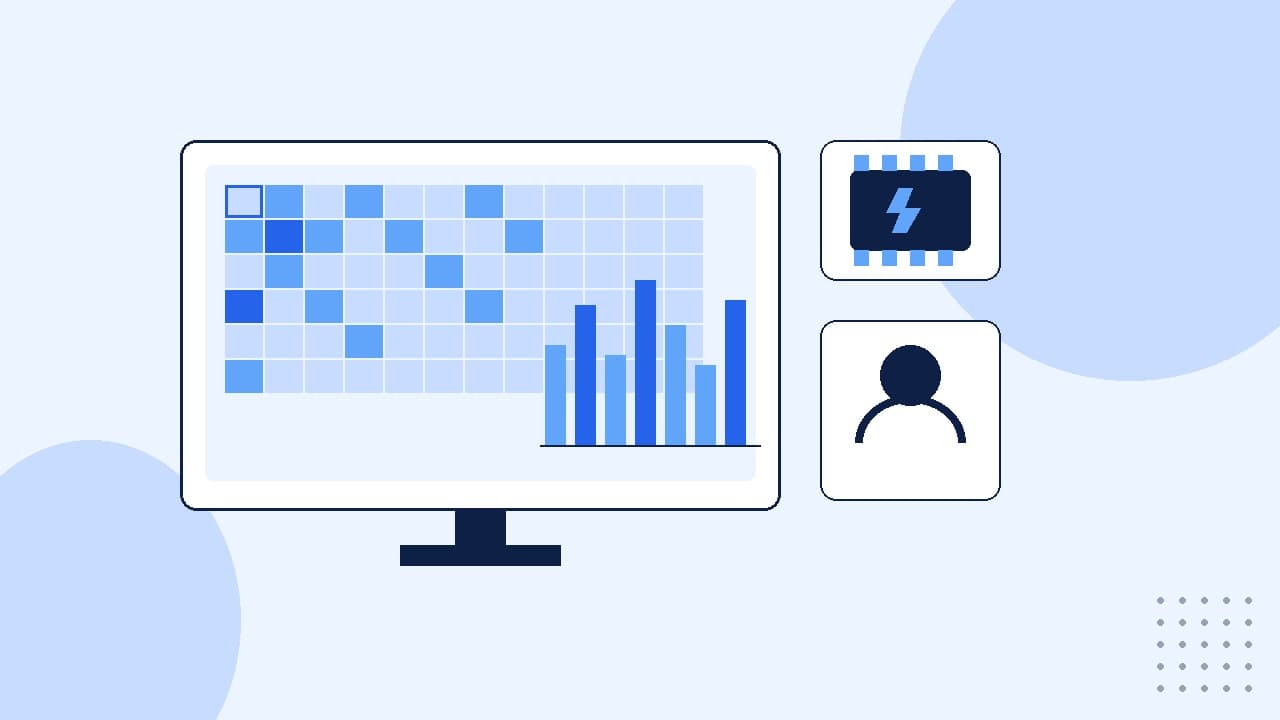
CBSE Is Scaling AI-Assisted Evaluation for 2026: What It Signals for University Examinations
CBSE's announced expansion of AI tools within its On-Screen Marking system is not just a board-level upgrade. It is a template that state boards and universities will be expected to follow — and the gap between them is widening.

Karnataka 2nd PUC Revaluation 2026: Why Thousands Apply Every Year and How Digital Evaluation Changes the Equation
Karnataka's 2nd PUC results were declared on April 9, 2026 — and within days, students lined up for retotalling. This annual cycle of rechecking requests reveals a systemic problem that digital evaluation is designed to solve.
NAAC Criterion 6 and Digital Evaluation: Building Evidence for Governance and Leadership Excellence
NAAC Criterion 6 awards 100 points for institutional governance, leadership, and management. Here is how digital exam evaluation systems generate concrete evidence for the sub-criteria that peer teams scrutinise most closely.
CBSE's First Full-Scale Digital Evaluation Is Wrapping Up. What Worked, and What Did Not.
With Class 12 marks upload beginning April 8 and results expected in May 2026, CBSE's historic on-screen marking rollout is nearing its conclusion — and India's university boards are watching closely.
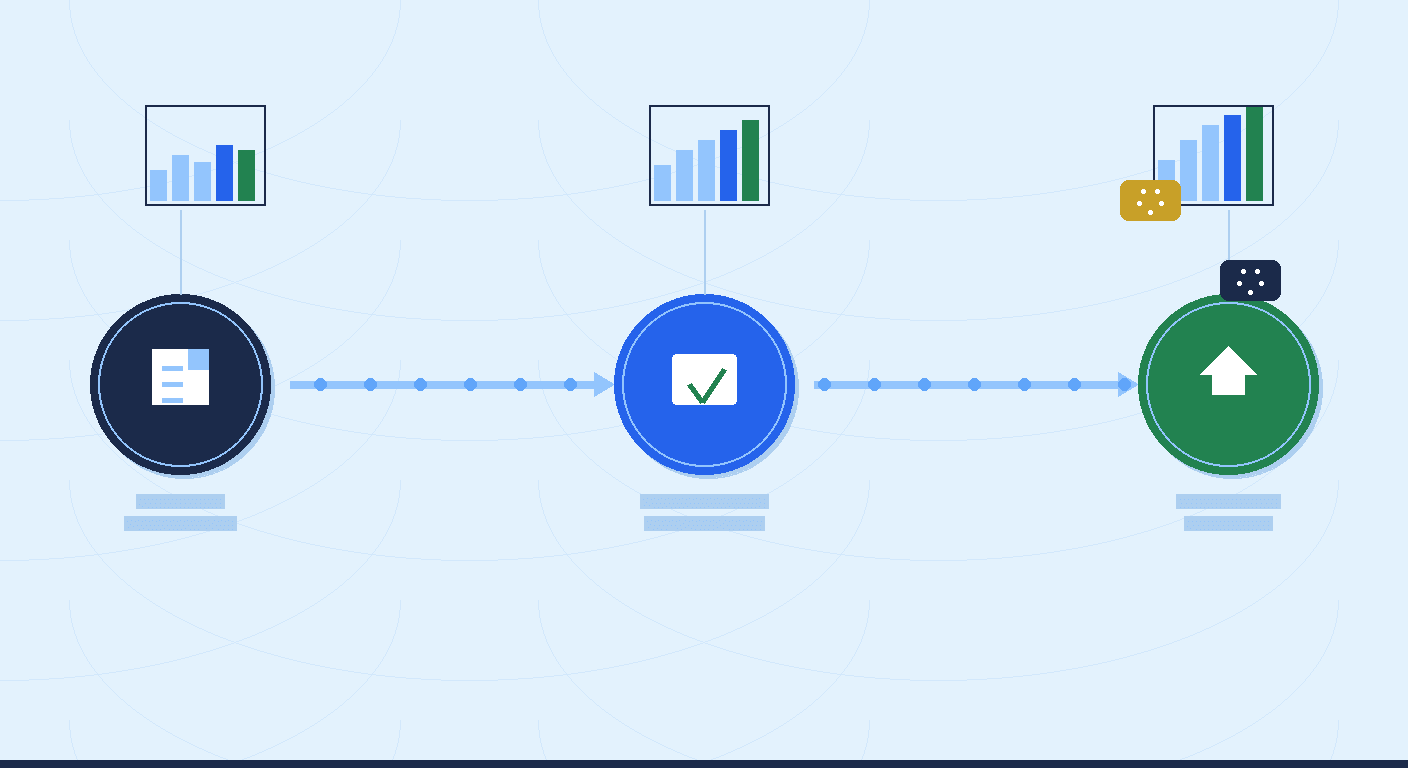
From CUET Score to Graduation: Building the Data Chain That NIRF and NAAC Reward
Universities that integrate CUET admission data with digital semester evaluation records can generate longitudinal student outcome evidence — the exact type that NIRF Graduation Outcomes scores and NAAC Criterion 2 assessments now demand.
Maharashtra's Three-Paper Leak Chain: What the Nagpur Scandal Reveals About Exam Security
In February 2026, Class 12 Physics, Chemistry, and Mathematics papers in Nagpur were leaked via WhatsApp before exams began, exposing deep vulnerabilities in paper-based exam delivery.

NCERT Becomes a Deemed University: A New Bar for Assessment Standards in India
Notified on March 30, 2026, NCERT's deemed university status requires it to seek NAAC accreditation and NIRF ranking participation — signaling that assessment rigour and digital transparency are becoming non-negotiable even for India's apex curriculum body.
What India's SSC Phase 13 Exam Disaster Reveals About Exam Technology Procurement
When Eduquity replaced TCS as SSC's exam vendor in 2025, 55,000+ candidates filed grievances after server crashes, wrong centres, and biometric failures — a case study in what happens when exam infrastructure decisions prioritise cost over reliability.

The TS and AP Inter Revaluation Rush: What 20 Lakh Answer Books Tell Us About Trust
Every year after intermediate results are declared in Telangana and AP, thousands of students pay to have their marks re-checked. The scale of that demand is not a student problem — it is a system problem, and digital evaluation is how boards solve it.
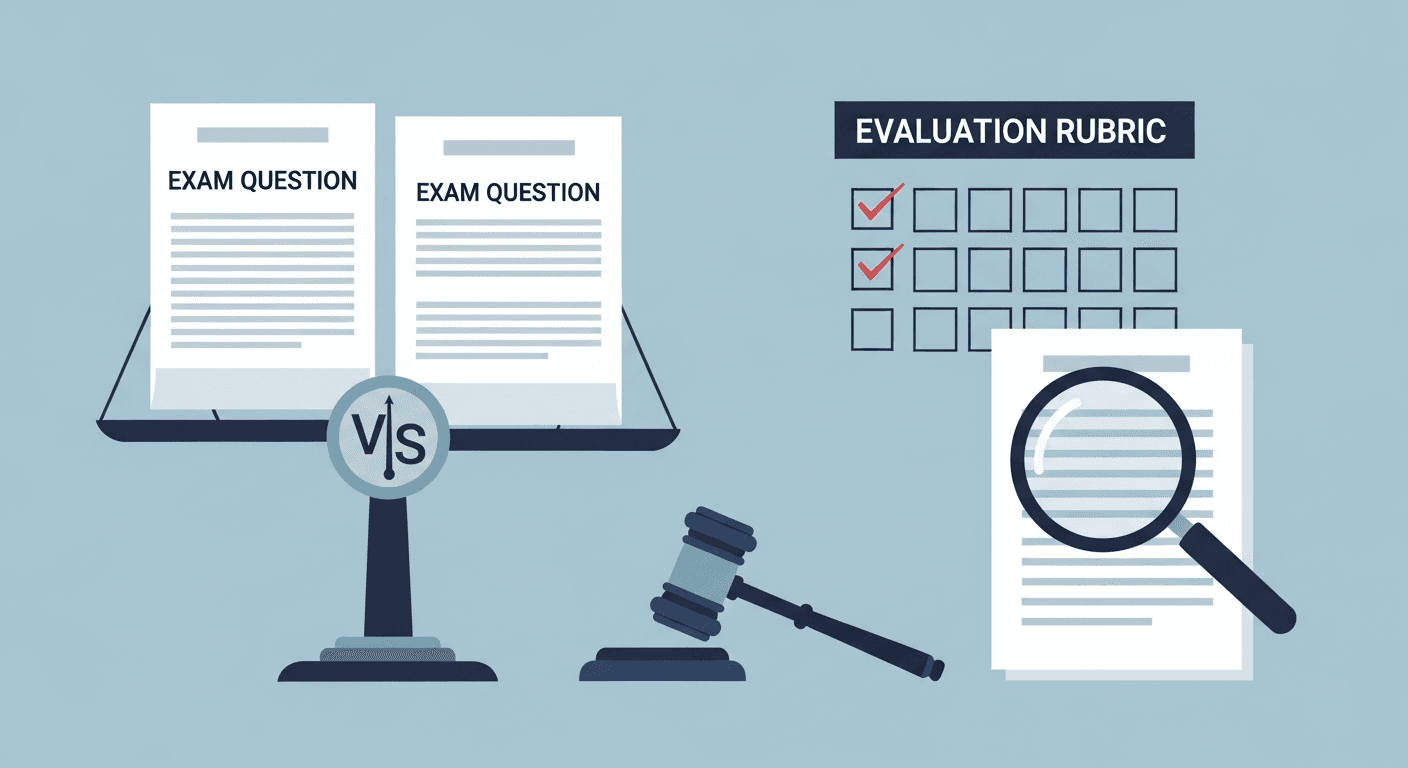
CBSE 2026 PIL: When Exam Paper Sets Are Unequal, Who Protects the Student?
A PIL filed in 2026 alleges CBSE's Class 12 Physics and Class 10 Maths papers had wildly different difficulty levels across question sets — and demands that CBSE disclose how, or whether, scores are adjusted.
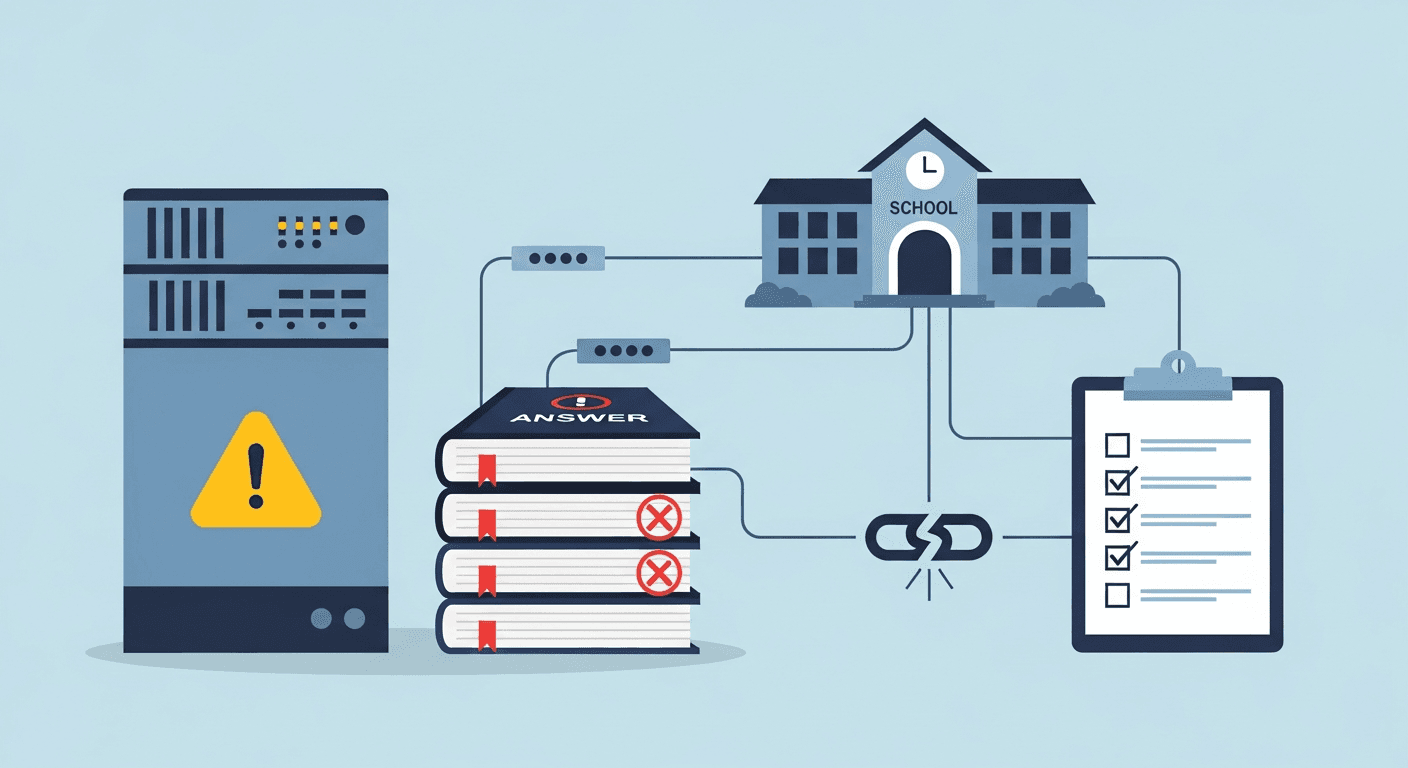
34,637 Students Nearly Failed for Someone Else's Data Entry Error: UP Board's 2026 Marks Crisis
An April 2026 audit of UP Board results found tens of thousands of students with blank practical marks across 652 exam centers — students who would have been declared failed despite passing their theory papers.

India's First Board to Go Semester-Based: What WBCHSE's Reform Means for Digital Evaluation
West Bengal became India's first education board to replace annual exams with a four-semester system for Classes XI and XII — and the change is already reshaping how answer sheets are scanned, evaluated, and published.
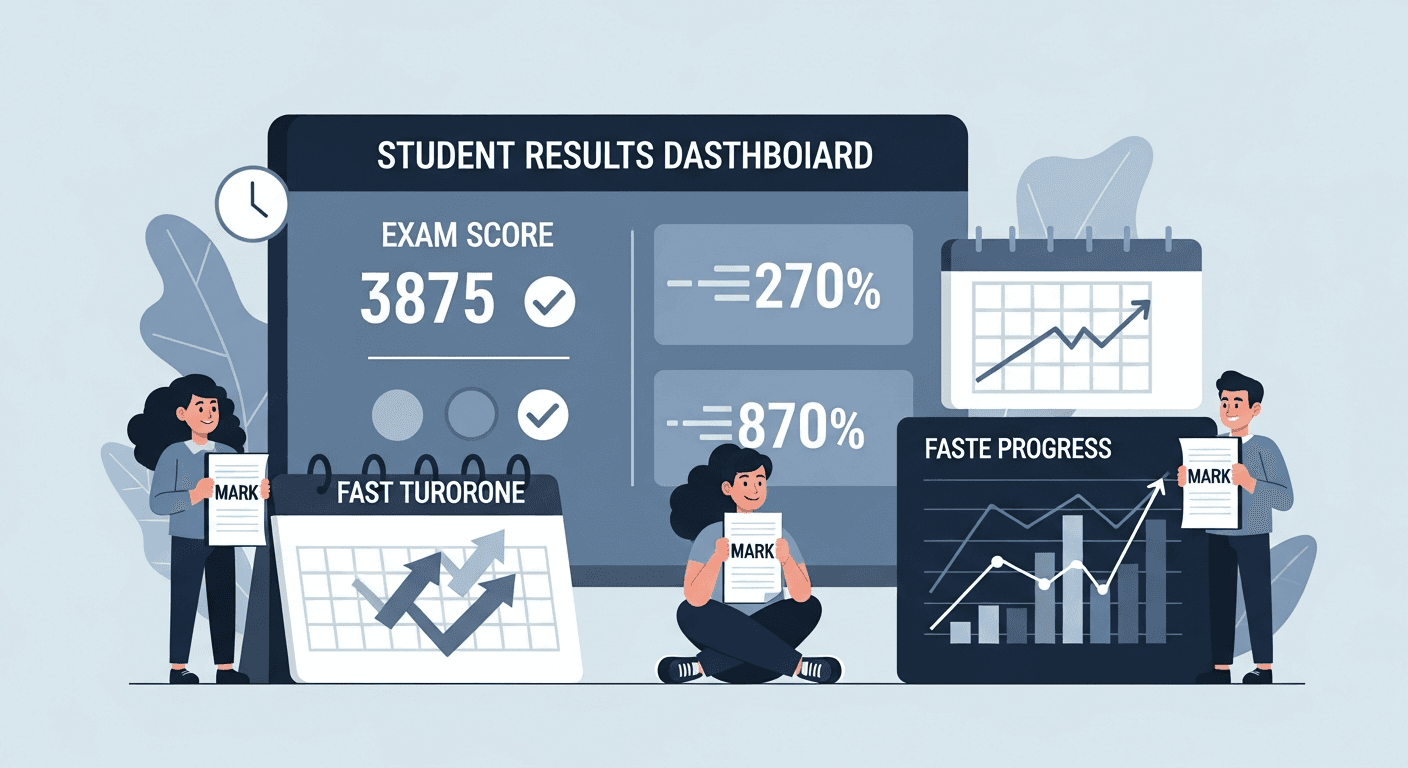
Bihar Board's 25-Day Evaluation Sprint: What BSEB Got Right
BSEB declared Class 12 results for 1.3 million students in 25 days from the start of evaluation — a benchmark that exposes what structured digital workflows can achieve at state scale.

CBSE's OSM Rollout: Why 'More Exhausting Than Manual' Is a Warning, Not a Verdict
Teachers across India report screen fatigue, login failures, and rushed training during CBSE's 2026 OSM implementation. The problems are real — but they point to execution gaps, not a flaw in digital evaluation itself.

NAAC Criterion 5: How Digital Evaluation Directly Boosts Your Student Support Score
Criterion 5 (Student Support and Progression) carries 100 points in NAAC assessment. Digital evaluation infrastructure — faster results, transparent grievance redressal, and audit-ready processes — has measurable impact on every sub-criterion.

CLAT 2026 Paper Leak: What the Supreme Court's Refusal Tells Us About Professional Exam Security
The Supreme Court dismissed a probe plea into the CLAT 2026 paper leak, saying the exam was already over. The dismissal exposes a deeper structural gap in how India secures high-stakes professional entrance examinations.
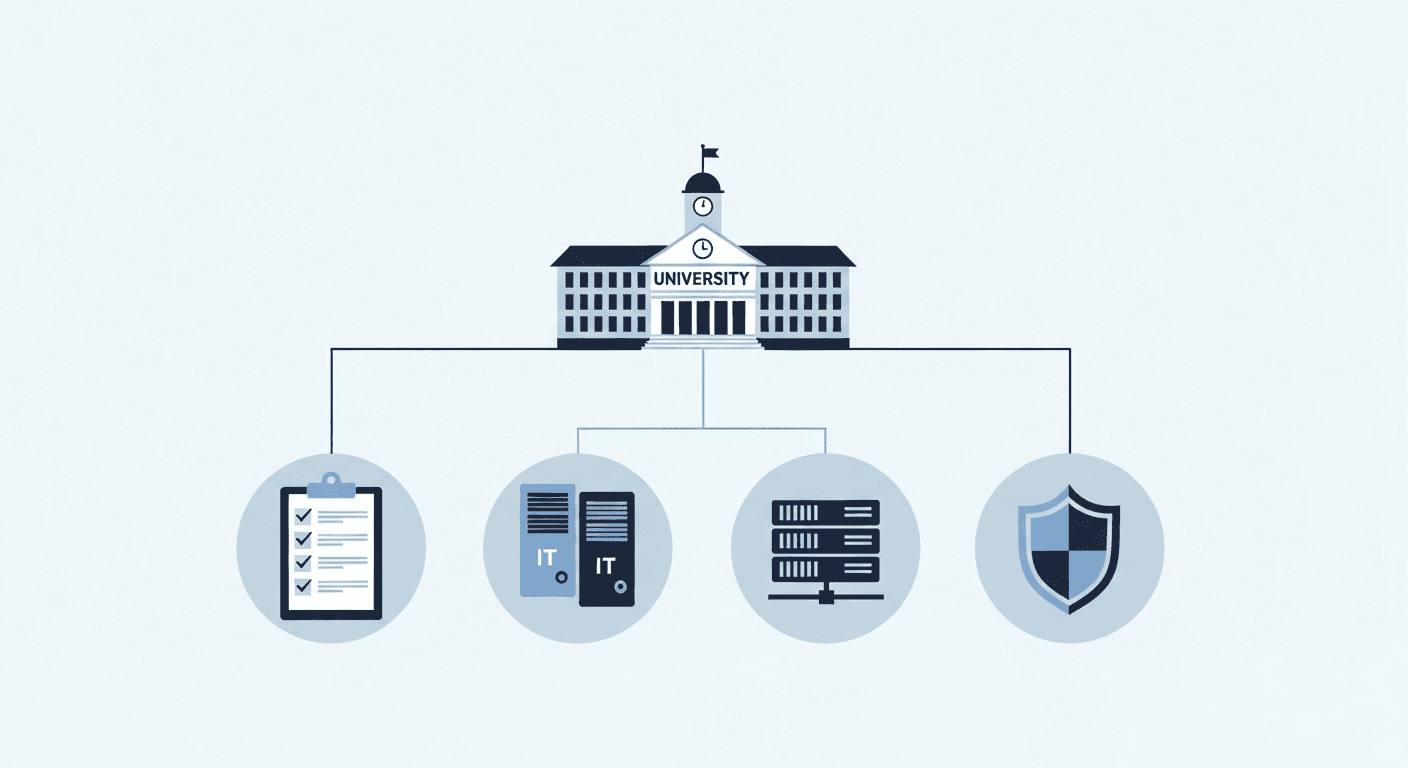
NAAC Binary Accreditation: Building Criterion 4 Infrastructure Evidence Through Digital Evaluation
NAAC's new binary accreditation model treats Criterion 4 (Infrastructure and Learning Resources) as a hard compliance checkpoint requiring IT bills, software licenses, and LMS activity logs. Digital evaluation platforms generate exactly this evidence as a byproduct of normal operations.
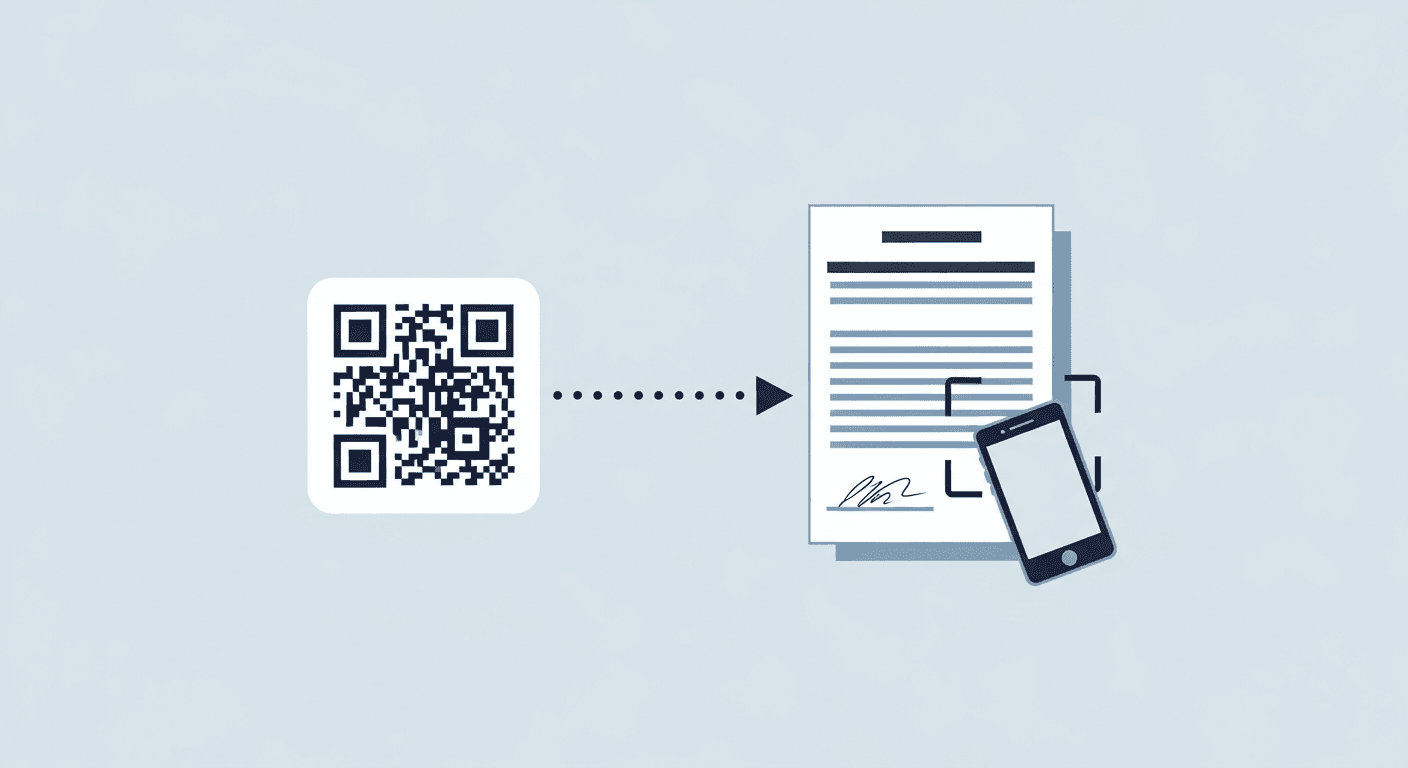
Odisha BSE 2026: QR Codes, DigiLocker, and the Digital Credential Revolution in State Boards
BSE Odisha has introduced QR-coded digital marksheets and DigiLocker integration for its 2026 results cycle. Here is why this matters for students, employers, and the broader push toward tamper-proof academic credentials across India.

The Hidden Cost of Slow Results: How Digital Evaluation Shrinks the Anxiety Window
81% of Indian students experience acute exam-related anxiety. The weeks-long wait for results is a major driver — and digital evaluation is the most direct lever institutions have to shorten it.

One Investment, Three Returns: Digital Evaluation in NAAC, NIRF, and NBA Frameworks
NAAC, NIRF, and NBA requirements overlap by approximately 68%. Digital evaluation generates the evidence base that satisfies all three — here is the exact mapping.
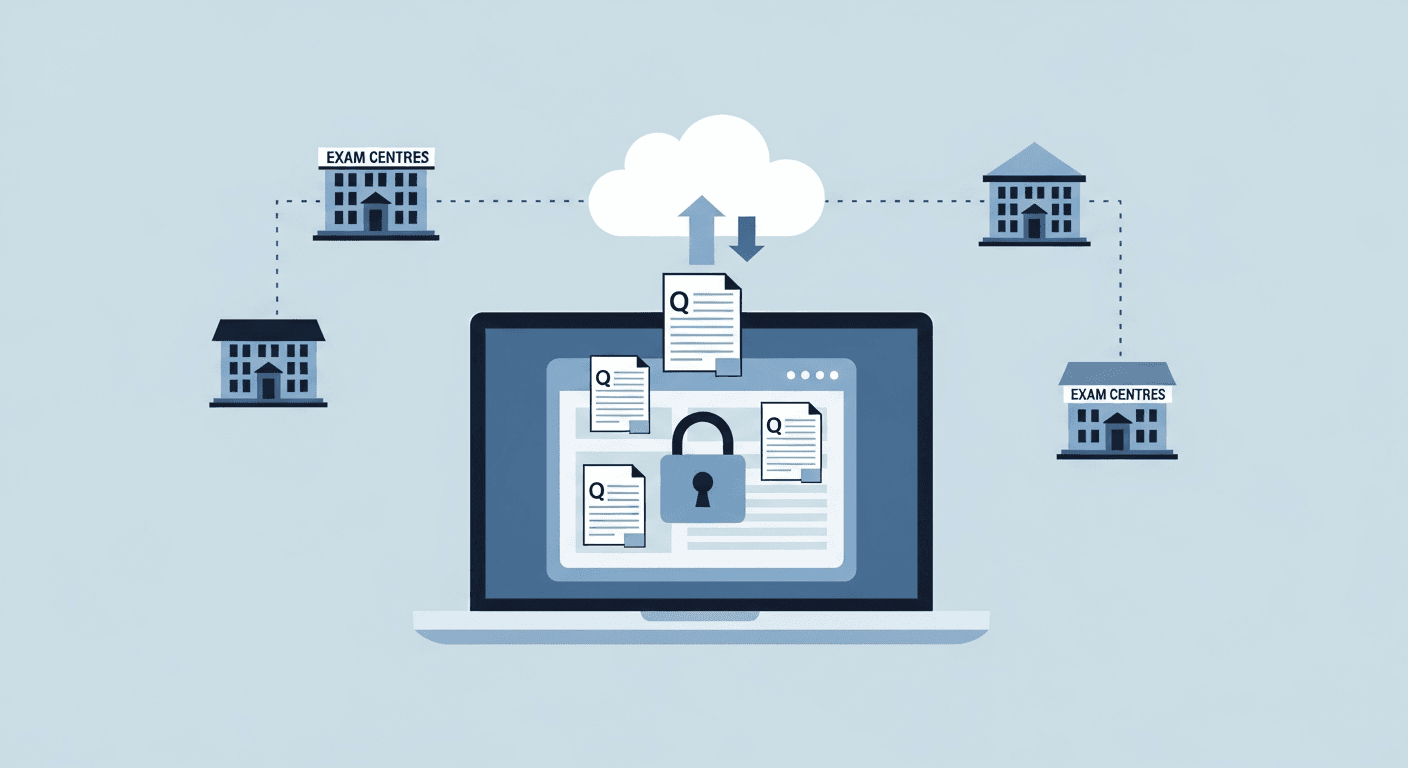
NIOS Digital Paper Delivery: How Last-Mile Security Closes the Exam Leak Window
India's National Institute of Open Schooling has deployed a portal-based, time-locked question paper delivery system for 1,600+ centres — a blueprint for closing the most vulnerable point in the exam security chain.

CBSE Class 10 Phase 2 Exam: Registration Closes April 22 and What Happens Next
Registration for CBSE's second Class 10 board exam closes April 22, 2026. With 46 lakh students in the system and a compressed evaluation window, India's answer sheet infrastructure faces a stress test.

IIM Nagpur's AI Grading Pilot: From Two Weeks to 48 Hours
India's premier management institution is using AI to cut answer sheet evaluation time from two weeks to 24-48 hours. What the IIM Nagpur experiment reveals about the future of exam assessment.

NEP 2020's Assessment Vision Demands Digital Infrastructure: A Guide for Universities
NEP 2020 mandates open-book exams, portfolio assessment, and continuous evaluation. Six years in, the institutions that have built digital evaluation infrastructure are pulling ahead on NAAC and NIRF metrics.
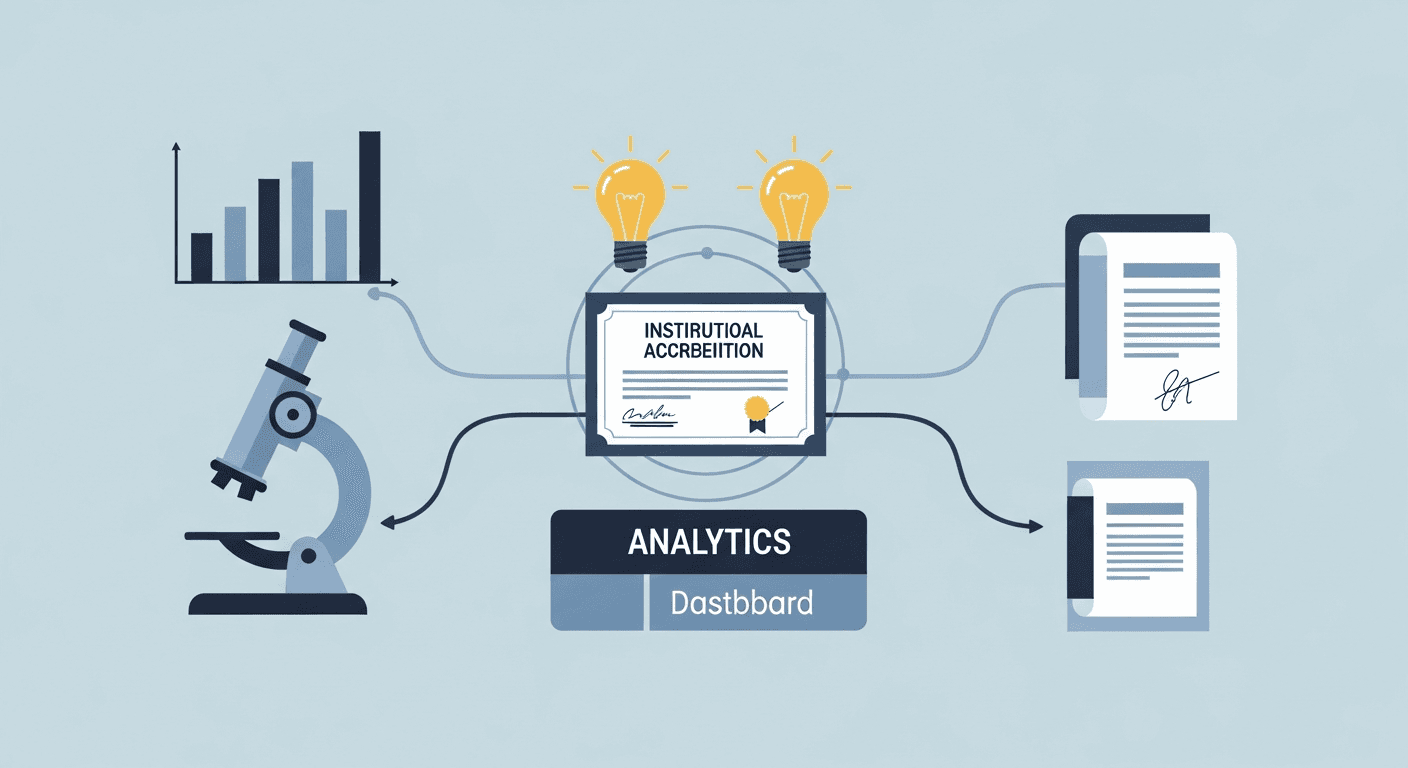
NAAC Criterion 3: How Digital Evaluation Data Becomes Research and Innovation Evidence
Institutions typically treat digital evaluation as an administrative tool. NAAC Criterion 3, which carries 30 marks in the binary model, rewards those who treat it as a research and innovation asset.
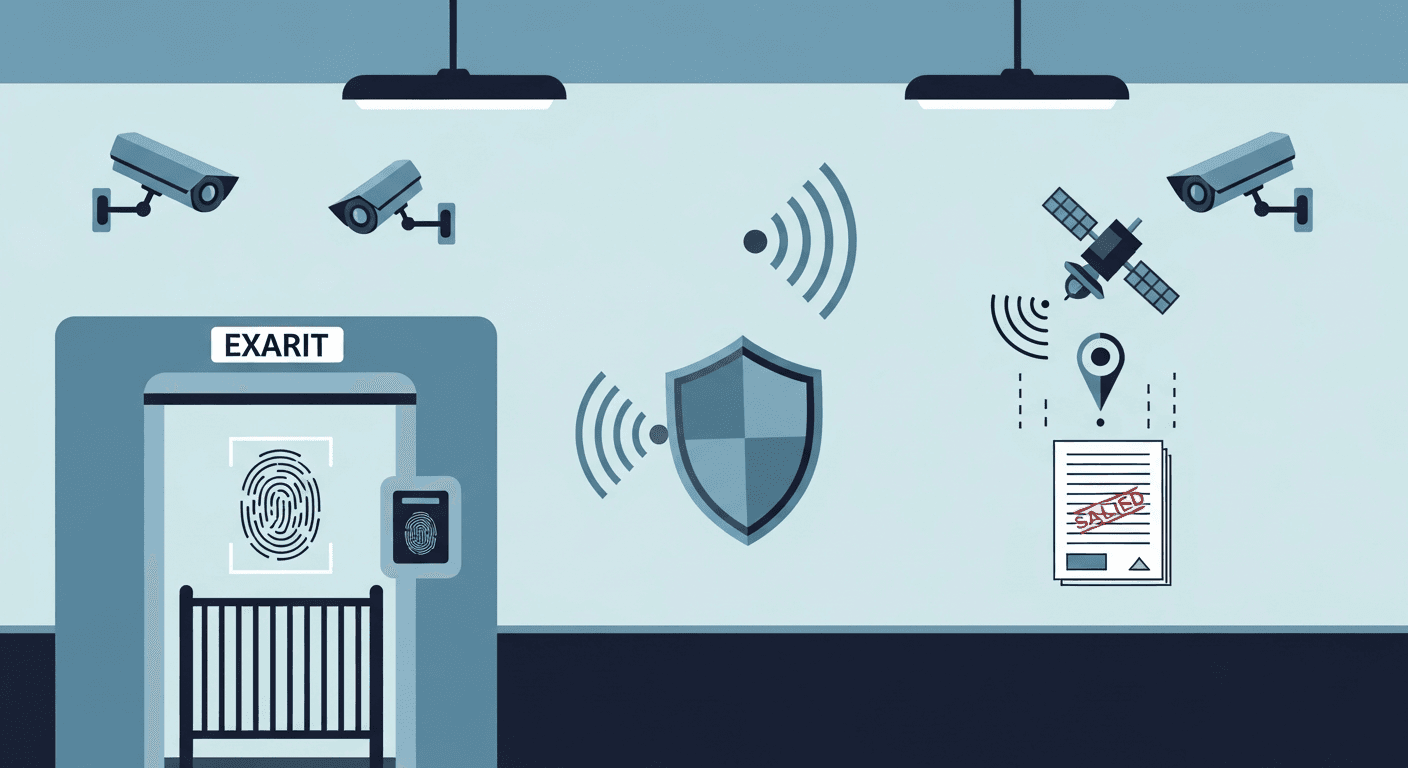
AI Cameras, Signal Jammers, and GPS Tracking: Inside NEET 2026's Security Stack
NTA deployed AI-powered surveillance, 5G signal jammers, GPS-tracked paper delivery, and facial recognition at NEET 2026 — the most comprehensive anti-malpractice overhaul in Indian exam history.

NEP 2020 at Six: What India's Assessment Reform Promised and What Institutions Still Need
Six years into NEP 2020, the gap between its assessment vision and institutional infrastructure has become the defining implementation challenge for Indian higher education.
CBSE's 2026 Digital Evaluation Infrastructure: IPS Payments and OECMS Explained
CBSE's first full-scale digital evaluation cycle covers 3 lakh+ evaluators under its Integrated Payment System and OECMS portal — here is what the complete administrative infrastructure looks like and why it matters for universities.
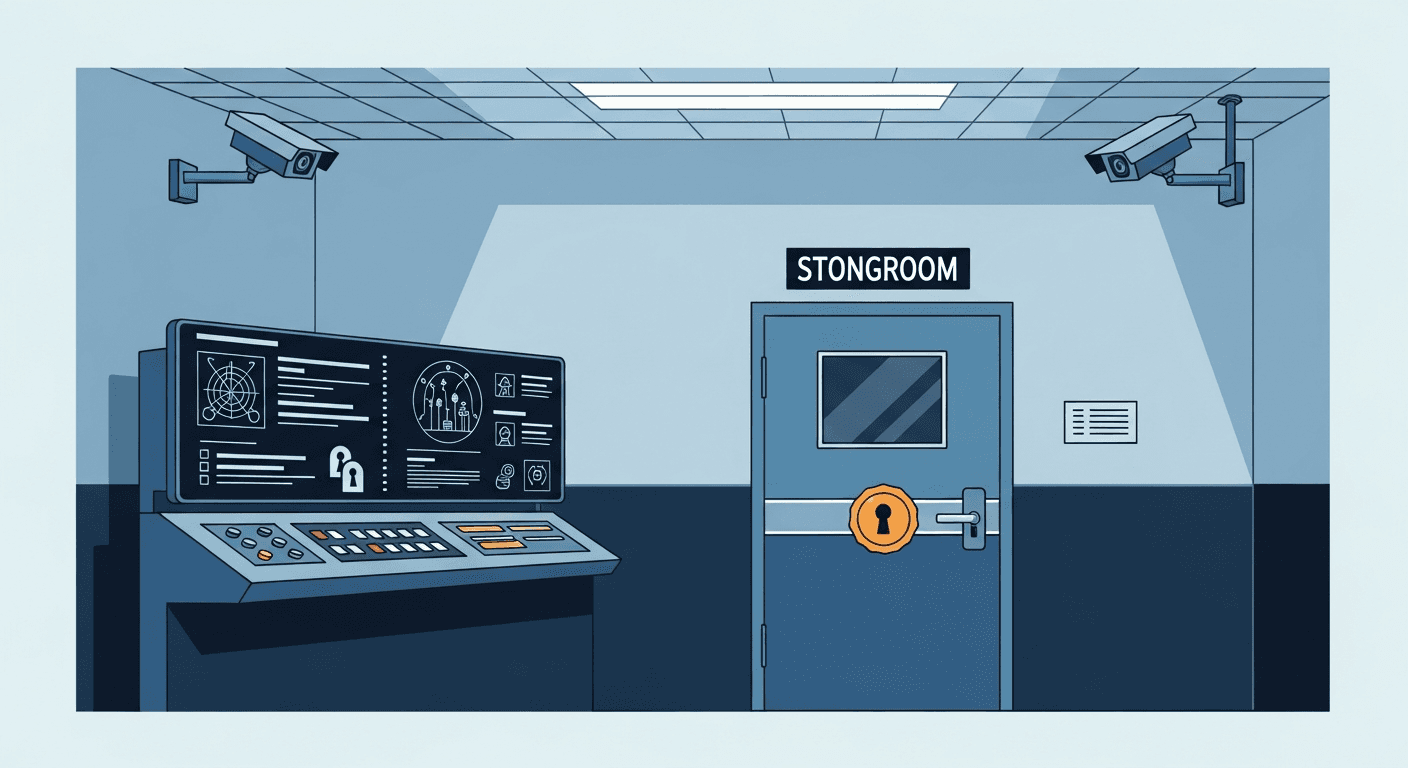
Inside India's 2026 Evaluation Centres: CCTV, Surveillance, and Digital Accountability
Indian examination boards are deploying CCTV cameras, voice recorders, and real-time digital monitoring inside answer-sheet checking camps — transforming the accountability landscape for physical evaluation centres.

QS Subject Rankings 2026: India's Record Surge and What It Signals for Institutions
India reached 99 institutions in QS Subject Rankings 2026 — a 44% jump — making it the fastest-growing major education system. Here is how assessment quality and digital infrastructure contribute to the key parameters that drive QS scores.

CISCE's Quiet Approach: How ICSE and ISC Manage Board Transparency in 2026
CISCE publishes no toppers list and delivers results via DigiLocker to 4.5 lakh board students. Here is what the ICSE and ISC evaluation model gets right — and where the gap between output and process remains.

One Controller of Examinations, 550 Colleges: India's Affiliating University Scale Problem
India's affiliating universities manage exam evaluation for hundreds of colleges from a single administrative centre. Anna University's model illustrates the unique pressures — and the case for digital evaluation — in this structure.

India's NExT Exam 2026: What the MBBS Exit Test Means for Professional Evaluation
The National Exit Test replaces fragmented university-controlled medical licensing in India with a single national standard. Its computer-based design sets a new benchmark for high-stakes professional assessment.
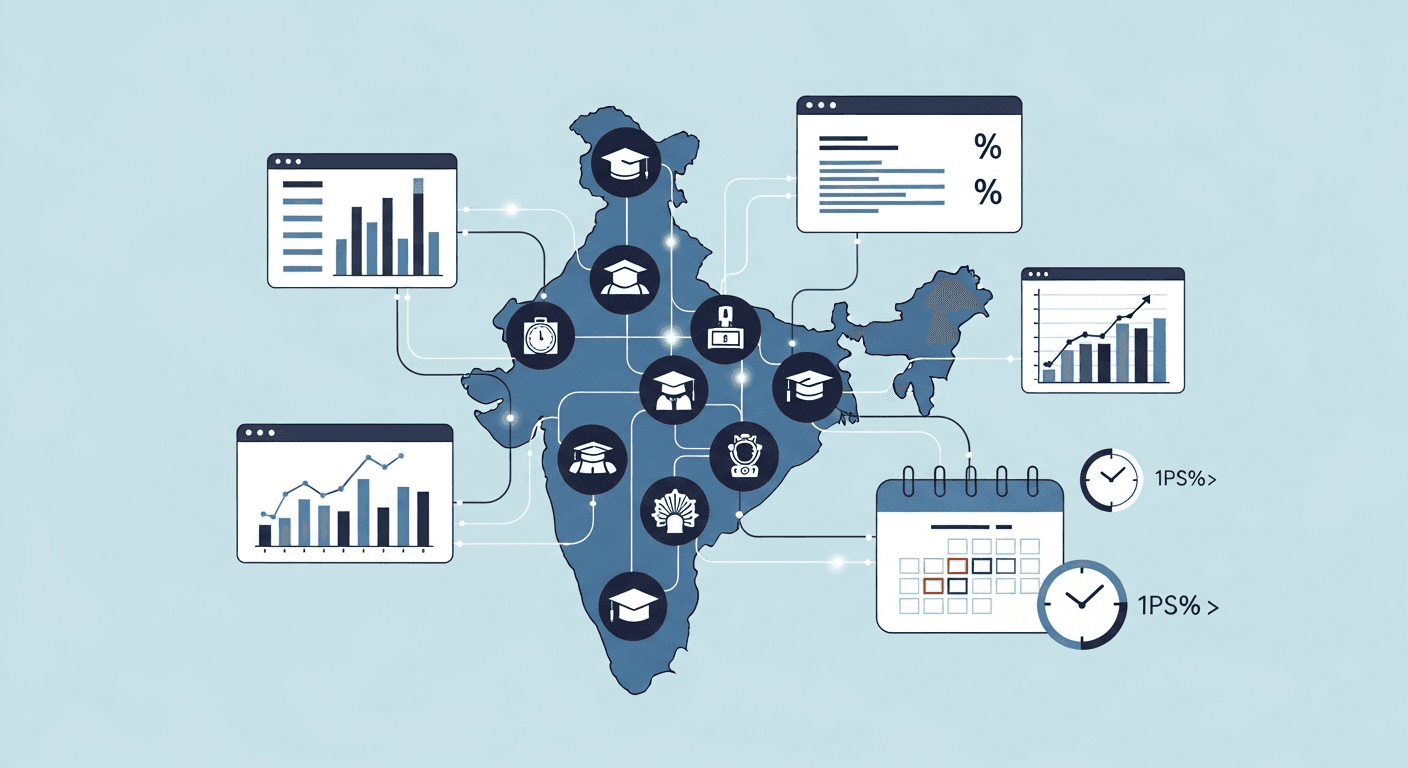
India's Fastest Board Results Season: What April 2026 Tells Us
Multiple state boards — UP, JAC, Karnataka, and CBSE — declared results within days of each other in April 2026. Here is how digital evaluation made this synchronization possible.
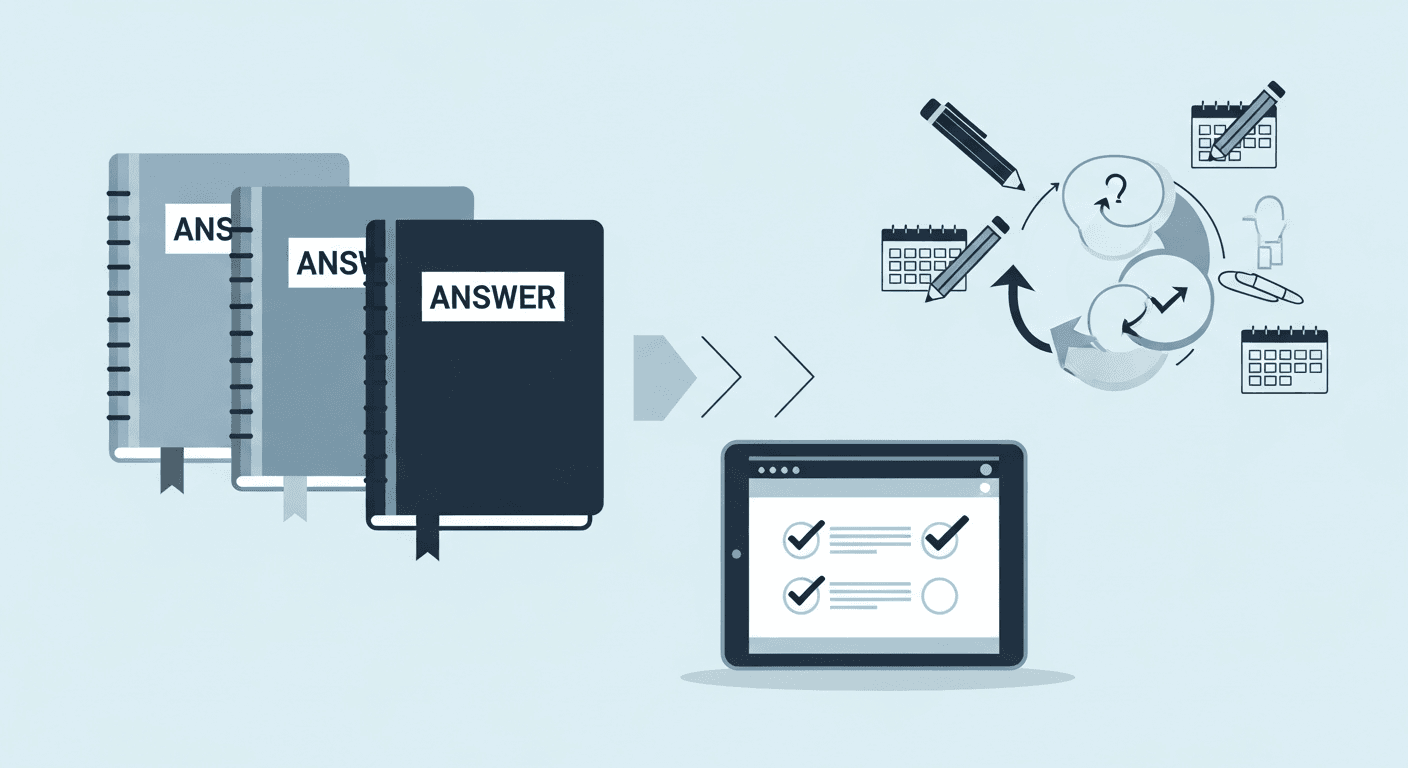
Karnataka's Three-Exam Model: Digital Evaluation Is Now Infrastructure
Karnataka replaced supplementary exams with three annual attempts for Class 12 in 2026. With Exam 2 starting April 30, this reform makes digital evaluation non-negotiable — and other states are watching.

Multiple Exam Attempts, NAAC Criterion 4, and Why Colleges Must Act Now
NEP 2020's multiple-attempt mandate is now live across CBSE, Karnataka, and MP Board. Colleges hosting evaluation centres have a narrow window to turn this infrastructure requirement into NAAC and NIRF accreditation evidence.

Turning Exam Data into Early Warnings: How Digital Evaluation Reduces Student Dropouts
Digital evaluation platforms generate structured, subject-wise performance data for every student every semester. Forward-looking institutions are now using this data to identify at-risk students and intervene before a backlog becomes a dropout.

NAAC Criterion 7: How to Document Digital Evaluation as an Institutional Best Practice
Most colleges focus NAAC preparation on Criteria 1 through 6. Criterion 7 on Institutional Values and Best Practices is where digital evaluation can earn your institution its clearest, most defensible score — if you document it correctly.
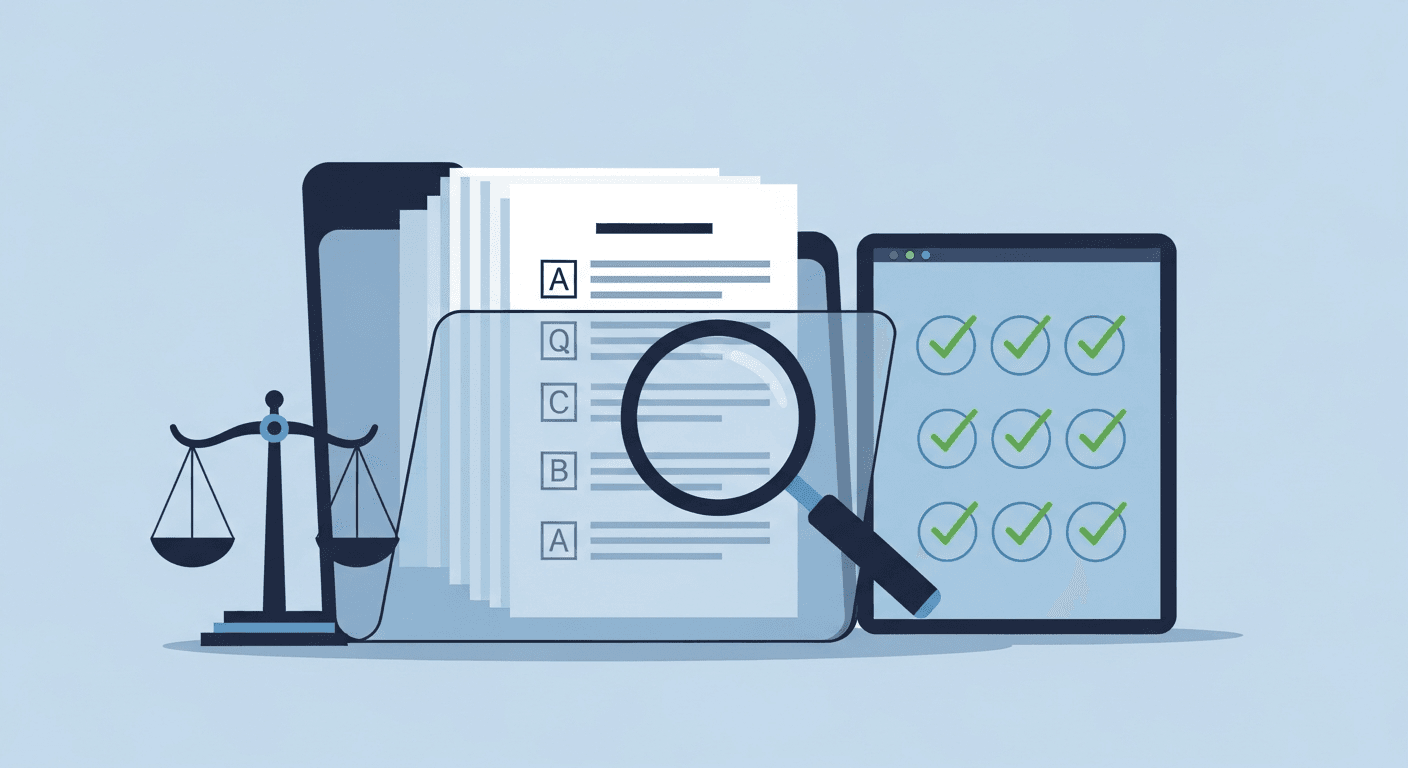
UPSC's 2026 Transparency Reforms: What India's Premier Exam Body Got Forced to Adopt
The Supreme Court has mandated UPSC to release provisional answer keys immediately after the Civil Services Preliminary Examination from 2026 — and the implications for all competitive exam governance in India are significant.
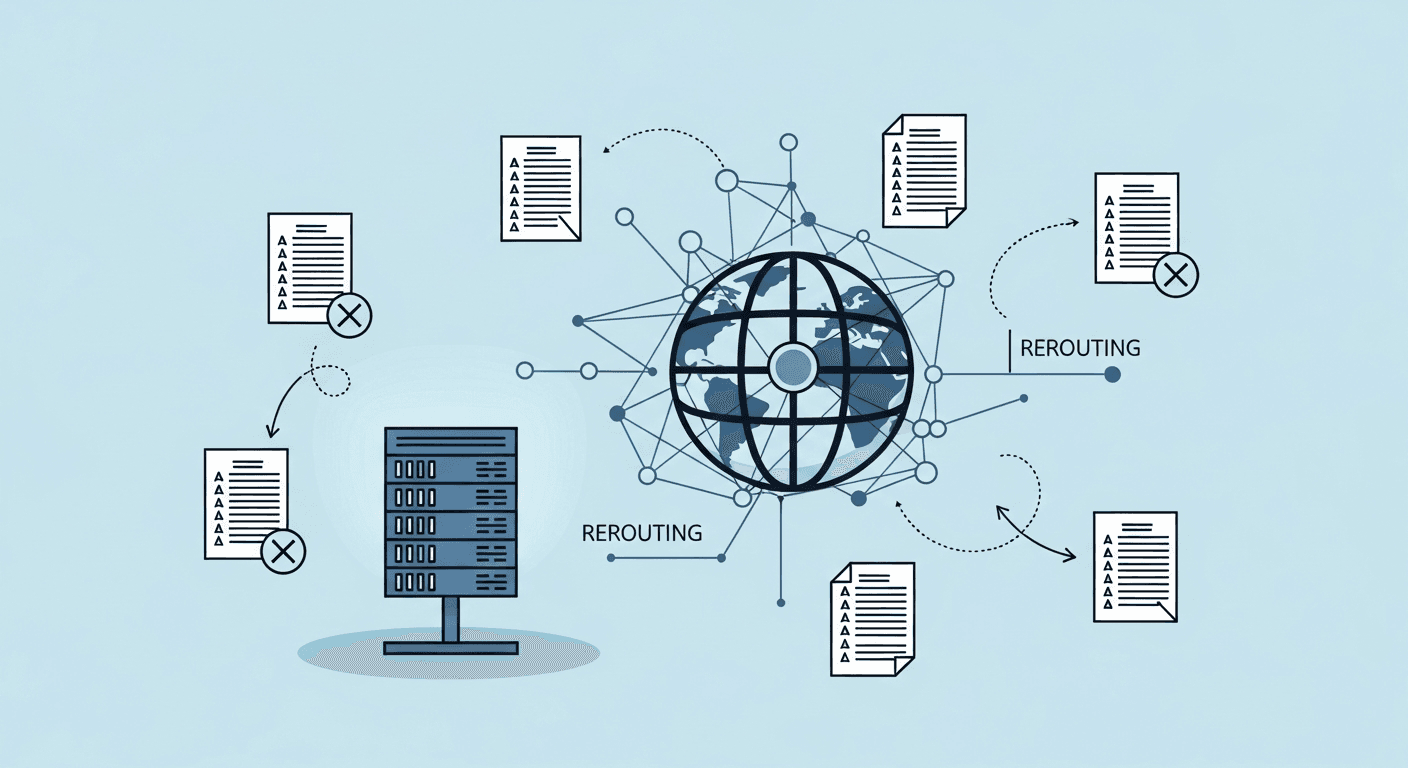
When Exams Are Cancelled: CBSE Middle East 2026 and the Case for Digital Evaluation Resilience
CBSE cancelled board exams for over 50,000 students across seven Middle East nations in 2026, exposing a structural vulnerability in physical exam systems that digital evaluation infrastructure is designed to address.
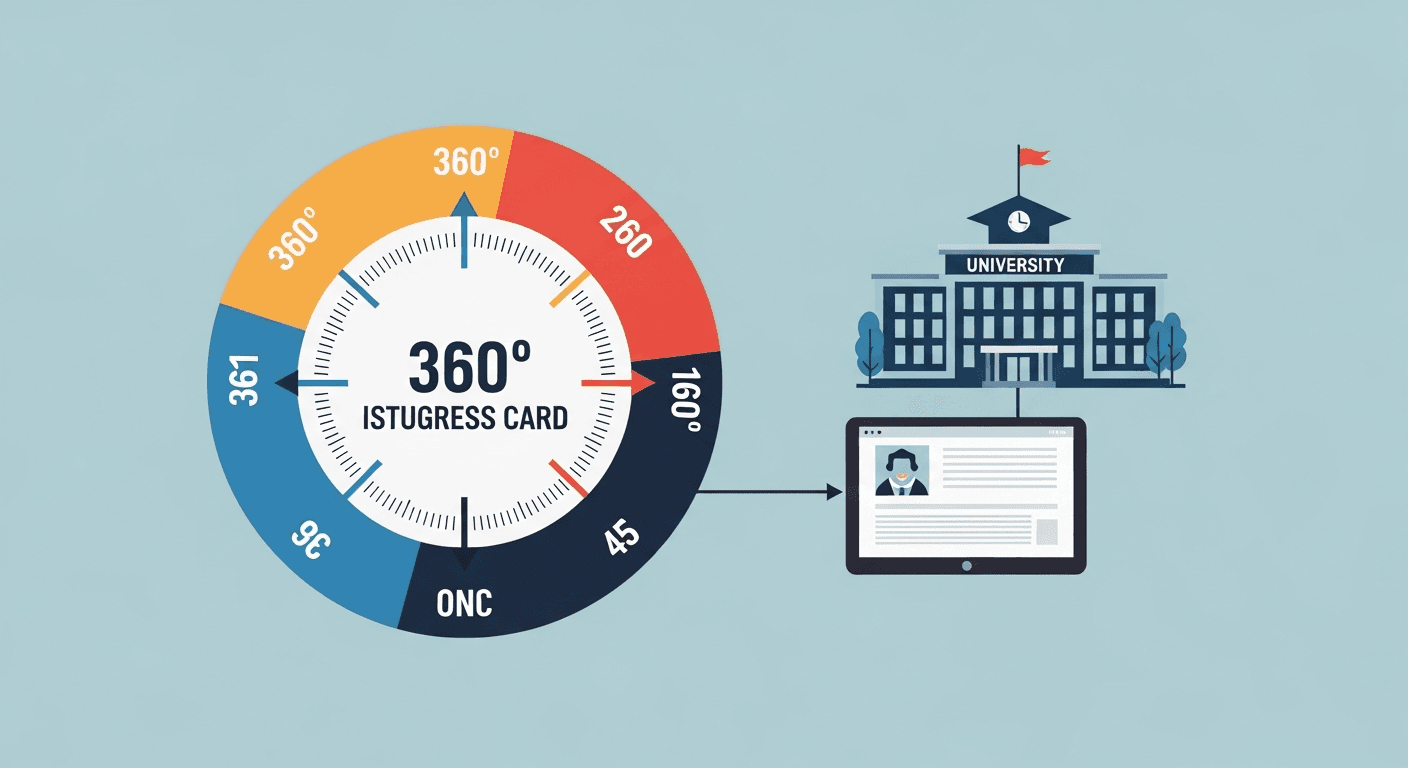
NEP's Holistic Progress Card Is Here — Does Your Institution Have the Digital Infrastructure to Support It?
PARAKH's Holistic Progress Card under NEP 2020 demands continuous, multi-dimensional assessment records maintained digitally. Institutions investing in digital evaluation today are better positioned to meet these requirements as the framework scales to higher education.
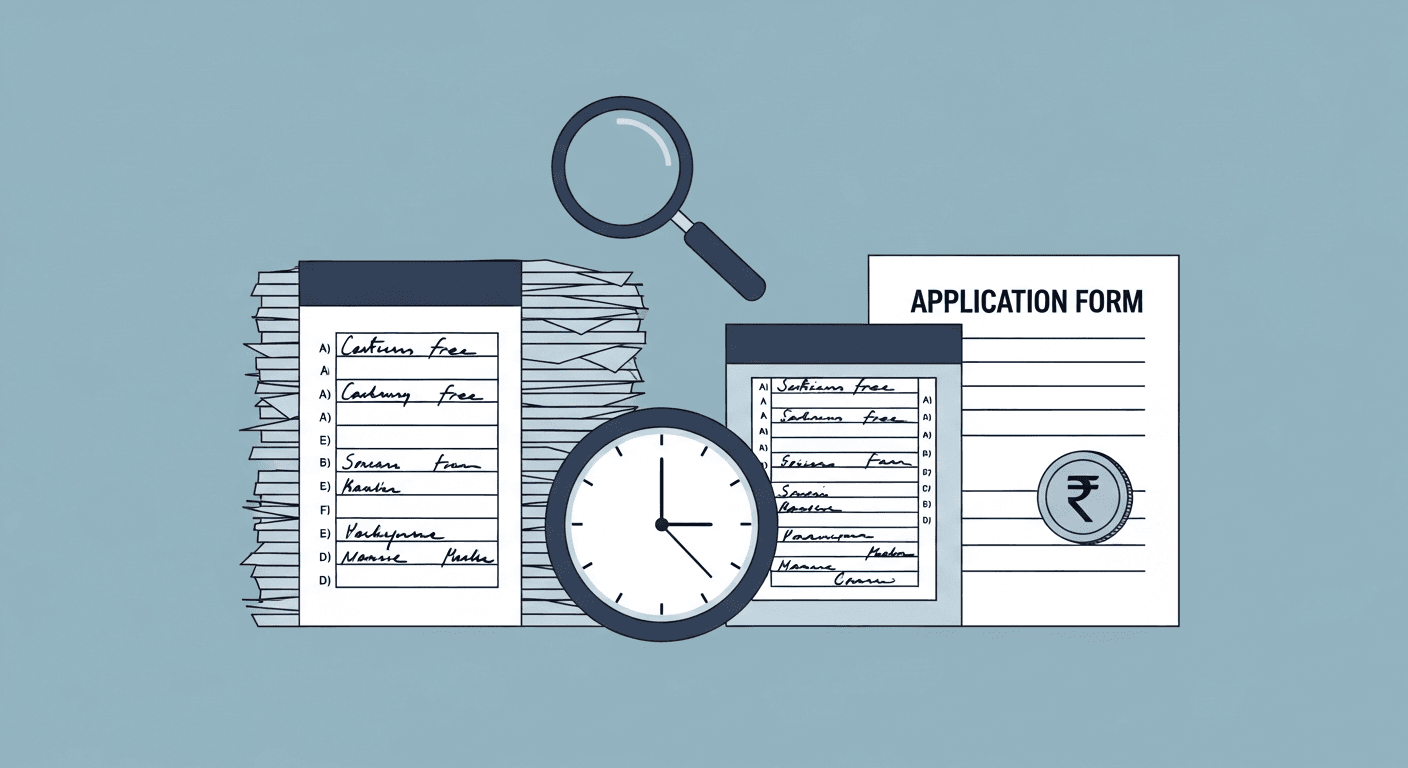
The ₹500-Per-Paper Paradox: UP Board's Scrutiny Rush Reveals the True Cost of Manual Evaluation
Thousands of UP Board 2026 students are paying ₹500 per subject to check for manual marking errors after results were declared on April 23 — a recurring cost that digital evaluation has already made redundant for CBSE Class 12.
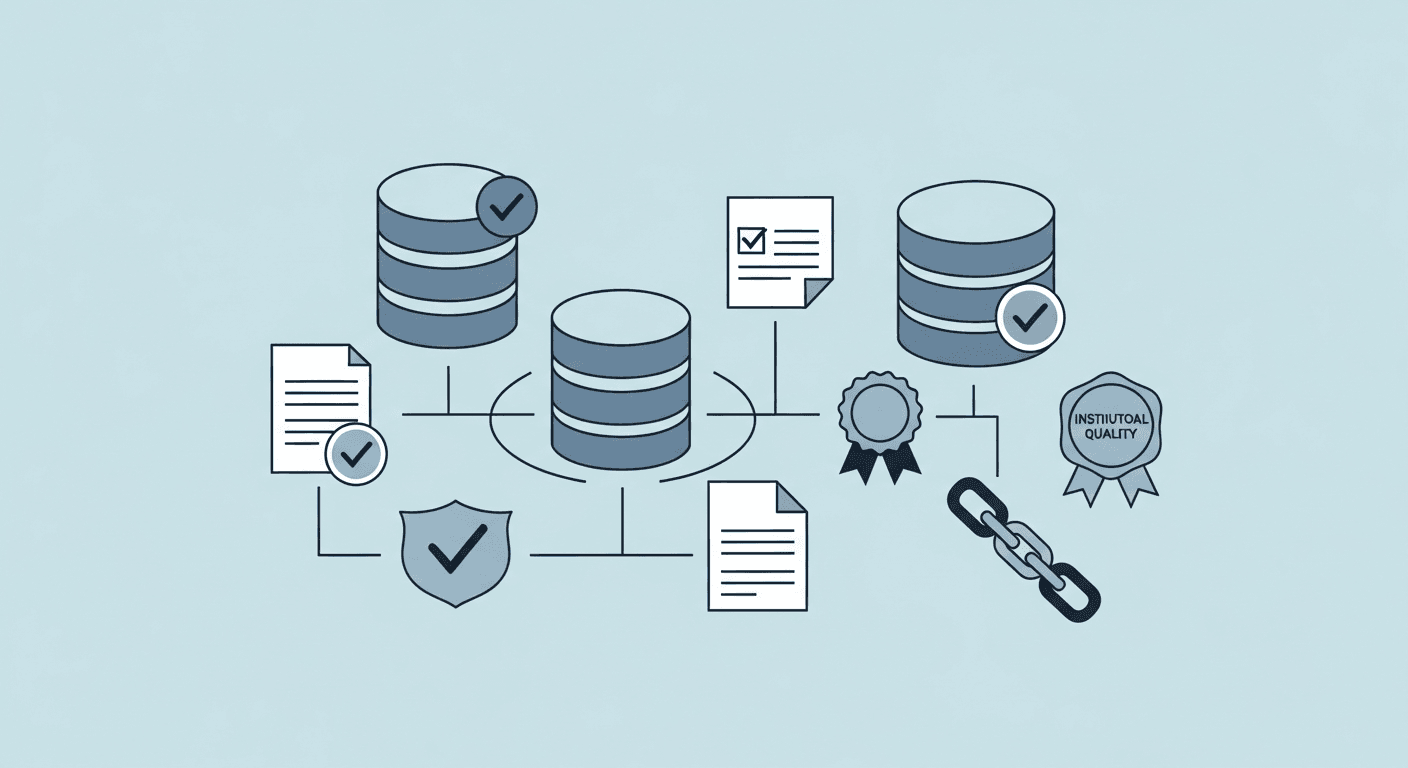
NAAC DVV 2026: How Automated Data Verification Is Raising the Bar for Examination Evidence
NAAC's Data Validation and Verification process is now heavily automated and cross-references institutional claims against UGC, AICTE, and NIRF databases. Here is what this means for examination records.

SAFAL KSA Goes Mandatory in 2025-26: What Schools Need for Digital Assessment Readiness
CBSE has made SAFAL KSA compulsory for all affiliated schools from 2025-26. Here is what the shift to competency-based assessment demands from institutional evaluation systems.

UGC Regulations 2026: What New University Governance Mandates Mean for Examination Systems
India's UGC notified sweeping new equity and governance regulations in January 2026. Here is how these mandates are accelerating digital examination adoption at universities nationwide.

Assam HS Result 2026: How ASSEB's Transformation Signals a New Era for Northeast India's Exams
With 3.3 lakh students receiving results on DigiLocker and a newly merged board replacing AHSEC, Assam's Class 12 result season 2026 marks a structural and digital turning point for examination administration in the Northeast.

NAAC's Stakeholder Validation Era: Why Institutions Need Auditable Digital Examination Data Now
NAAC's new AI-driven accreditation system replaces peer visits with crowdsourced stakeholder validation and automated data checks. Institutions with clean digital examination records are far better positioned to succeed.
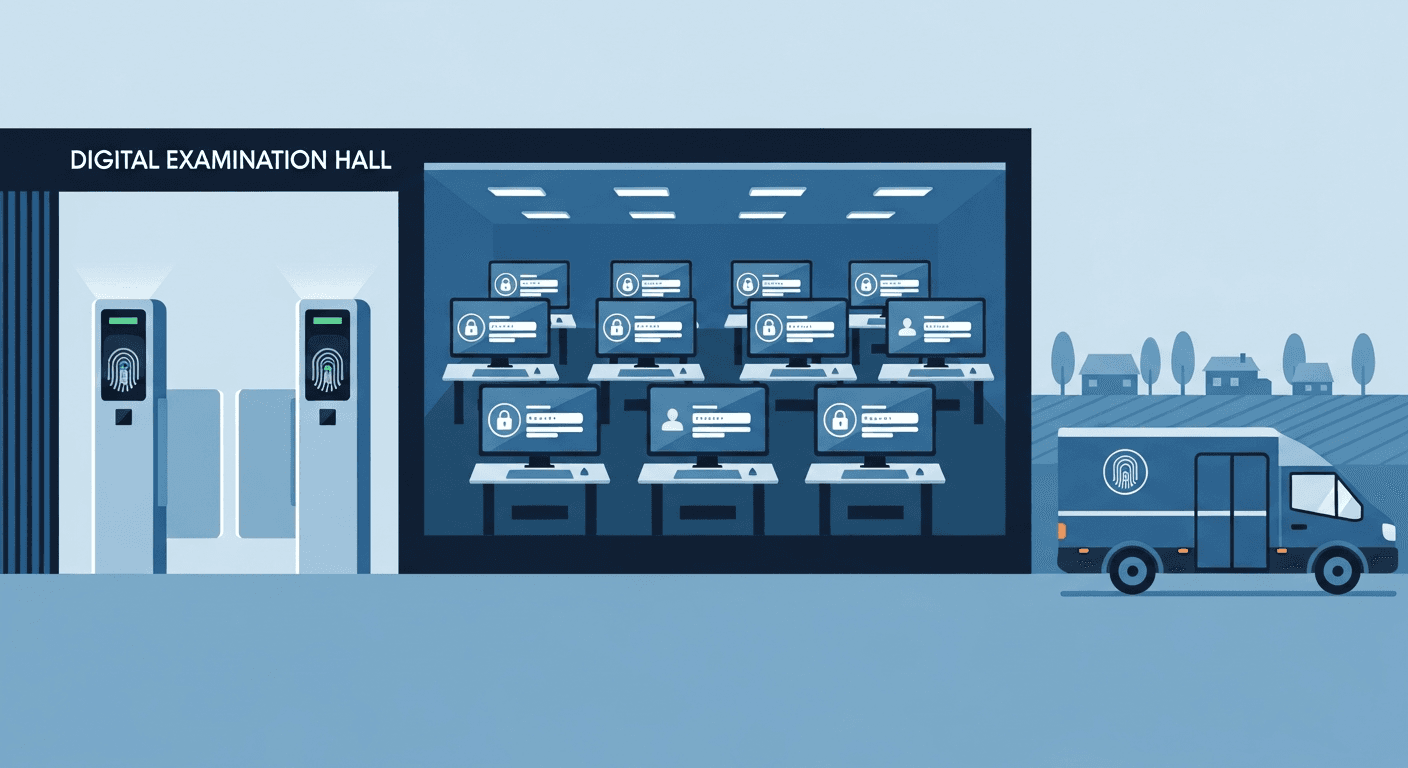
NTA's 2026 Structural Overhaul: DIGI-Exam, New Verticals, and What It Means for India's Examination Ecosystem
The K Radhakrishnan Committee's 101 recommendations are reshaping India's National Testing Agency — from biometric authentication and a dedicated DIGI-Exam platform to Mobile Testing Centres for rural aspirants.

India's Post-Result Revaluation Season 2026: The Systemic Cost of Manual Evaluation
Every April, lakhs of Indian students pay hundreds of rupees to have their exam papers recounted. The data reveals a structural problem — and a straightforward fix.
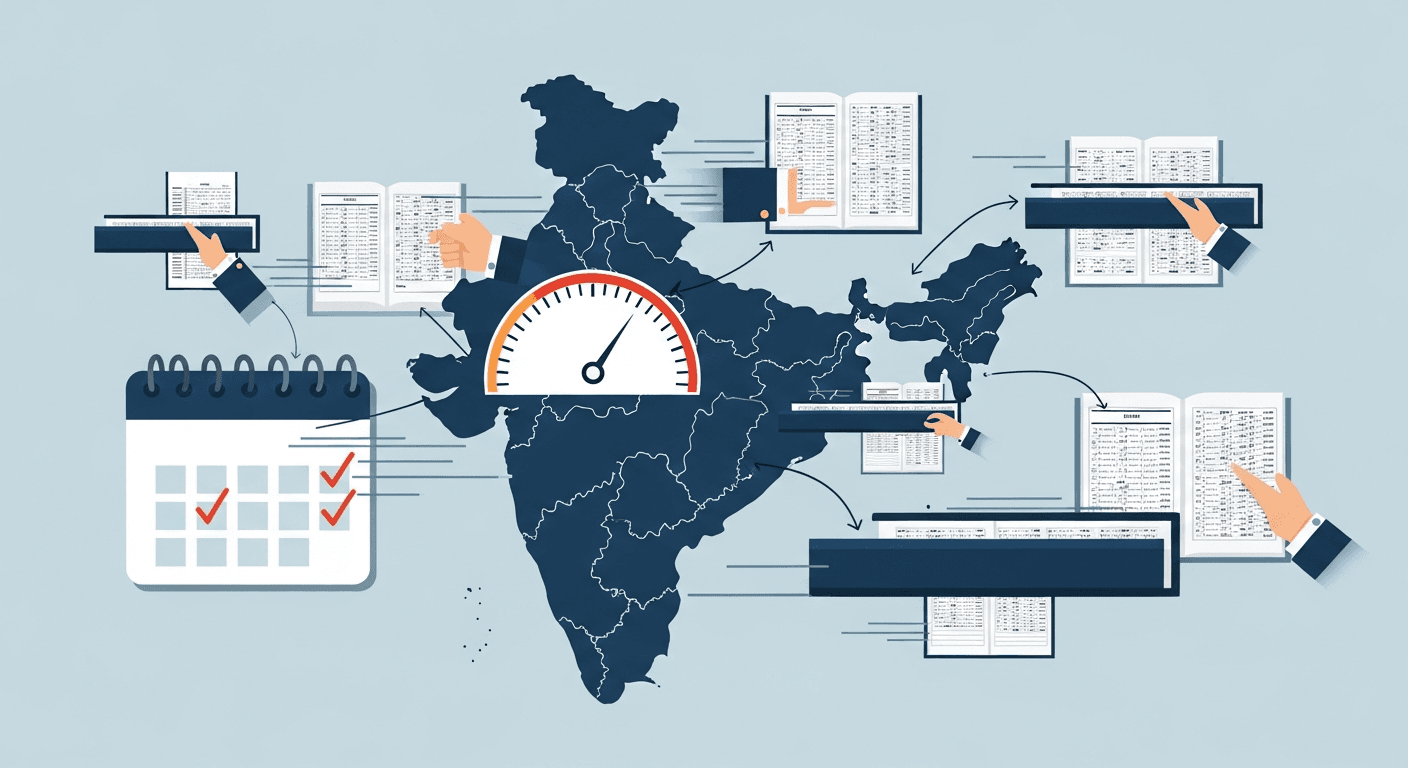
RBSE Rajasthan 2026: How India's Largest State Boards Manage the April Results Rush
Rajasthan Board declared Class 12 results on March 31 — just 20 days after the final exam. The speed benchmark reveals what efficient state-board evaluation looks like at scale.

UGC's 2026 Deemed University Rules: What Autonomous Colleges Must Fix in Their Exam Systems
The UGC's April 2026 gazette allows autonomous colleges to seek deemed university status — but the path requires examination infrastructure that most institutions don't yet have.

India's Fake Degree Crisis: Why Tamper-Proof Evaluation Records Are Now Urgent
With over one million fake academic credentials exposed in a single 2025 operation and courts still unwinding forged university marksheets, India's examination system has a fraud problem that only tamper-proof digital records can solve.
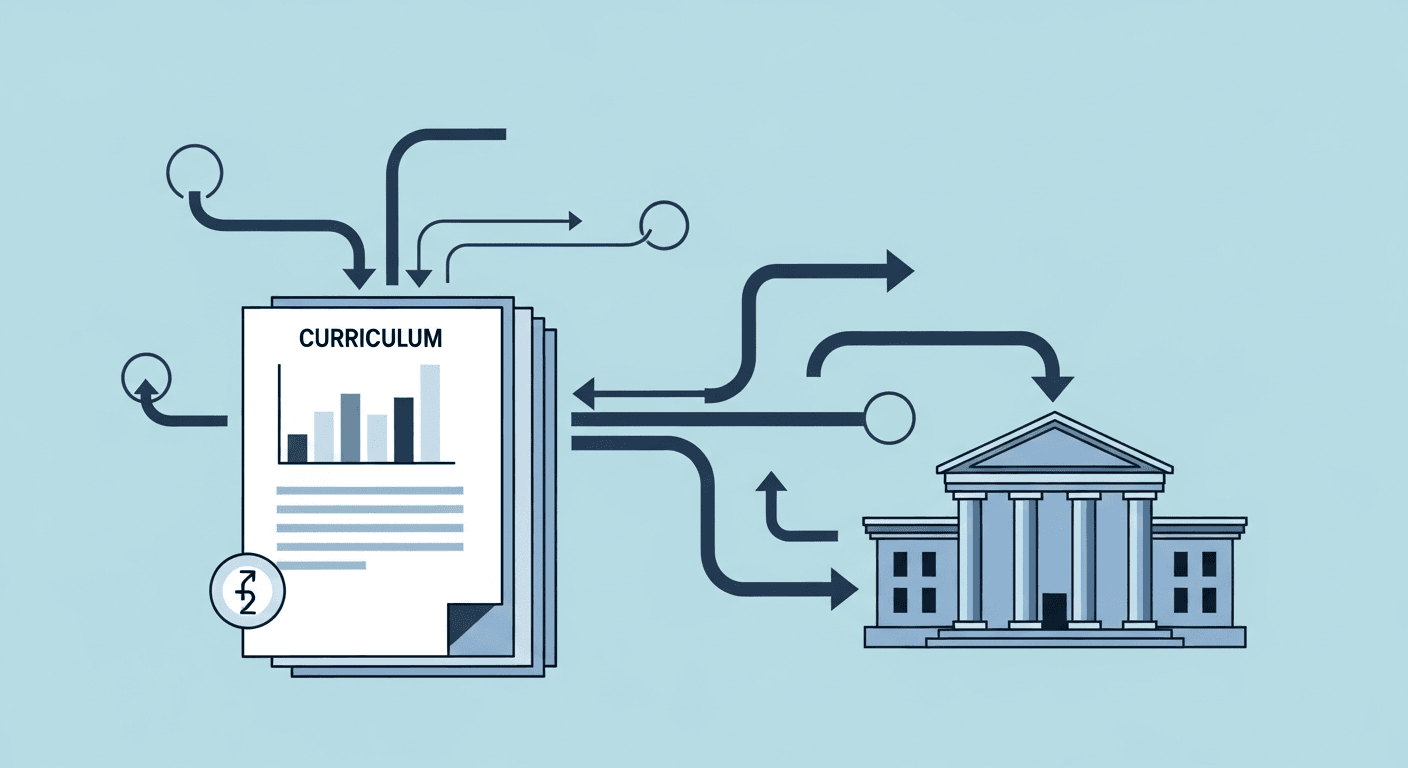
NAAC Criterion 1: How Digital Evaluation Analytics Strengthen Curricular Evidence
Criterion 1 of NAAC's binary framework assesses curricular planning, academic flexibility, and feedback systems — digital evaluation analytics give institutions the hard data they need to demonstrate quality at each sub-criterion.

Telangana SSC 2026: 5.28 Lakh Students, 22 Days of Evaluation, One Lesson for State Boards
BSE Telangana declared Class 10 results on April 29, 2026 — evaluation for 5.28 lakh students wrapped up in 22 days, results processed in 6 days after that. The numbers tell a story about what state-scale exam management now looks like.
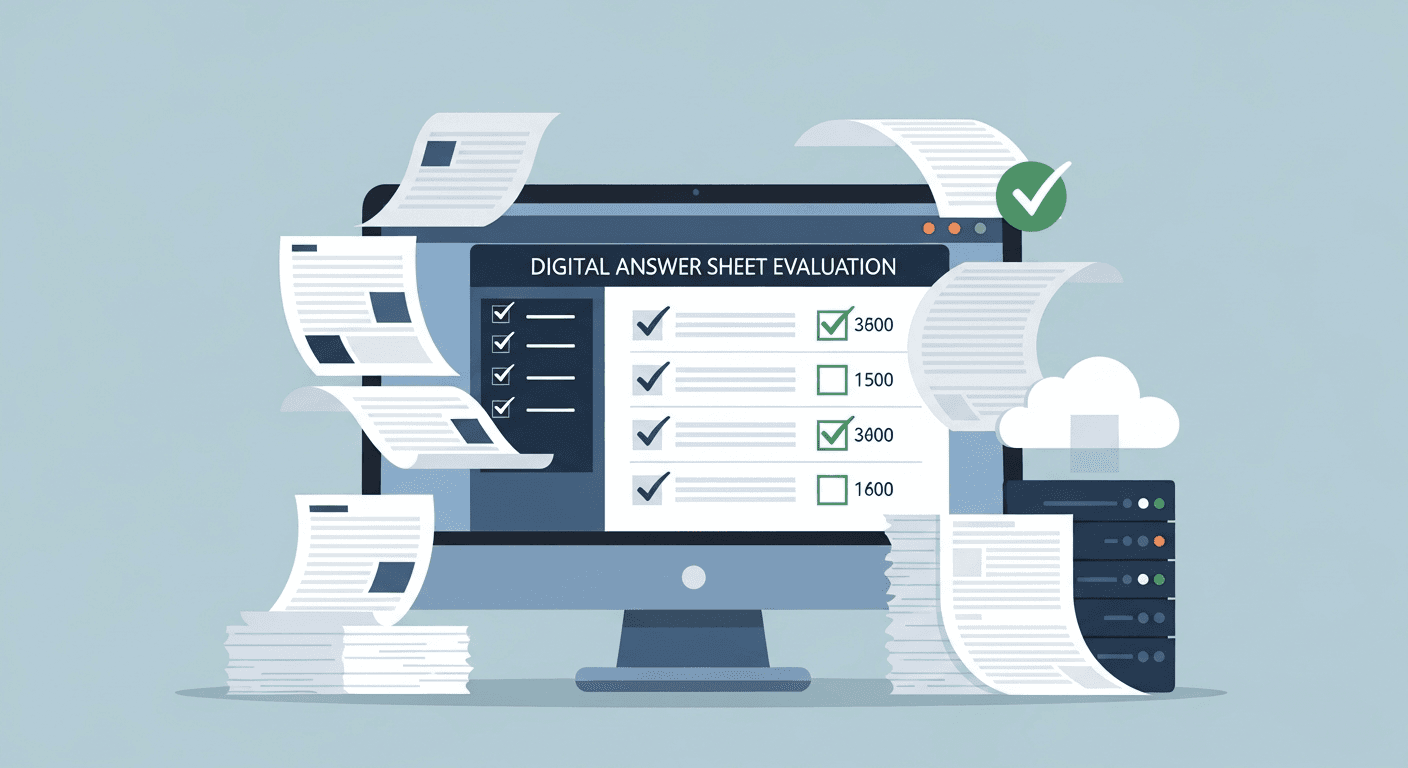
Why CBSE Had to Publicly Defend Its OSM System — and What It Tells Us About Digital Transitions
In late April 2026, CBSE was compelled to issue a public statement refuting media reports of OSM technical glitches. The episode is a case study in how perception management is as critical as technology implementation during digital evaluation rollouts.

Maharashtra HSC 2026 DigiLocker Results: What Digital Marksheets Mean for Accreditation Evidence
Maharashtra declared HSC results for over 14 lakh students via DigiLocker on May 2, 2026. For institutions across India, the episode illustrates exactly how digital evaluation chains produce the verifiable evidence that NAAC and NIRF now demand.
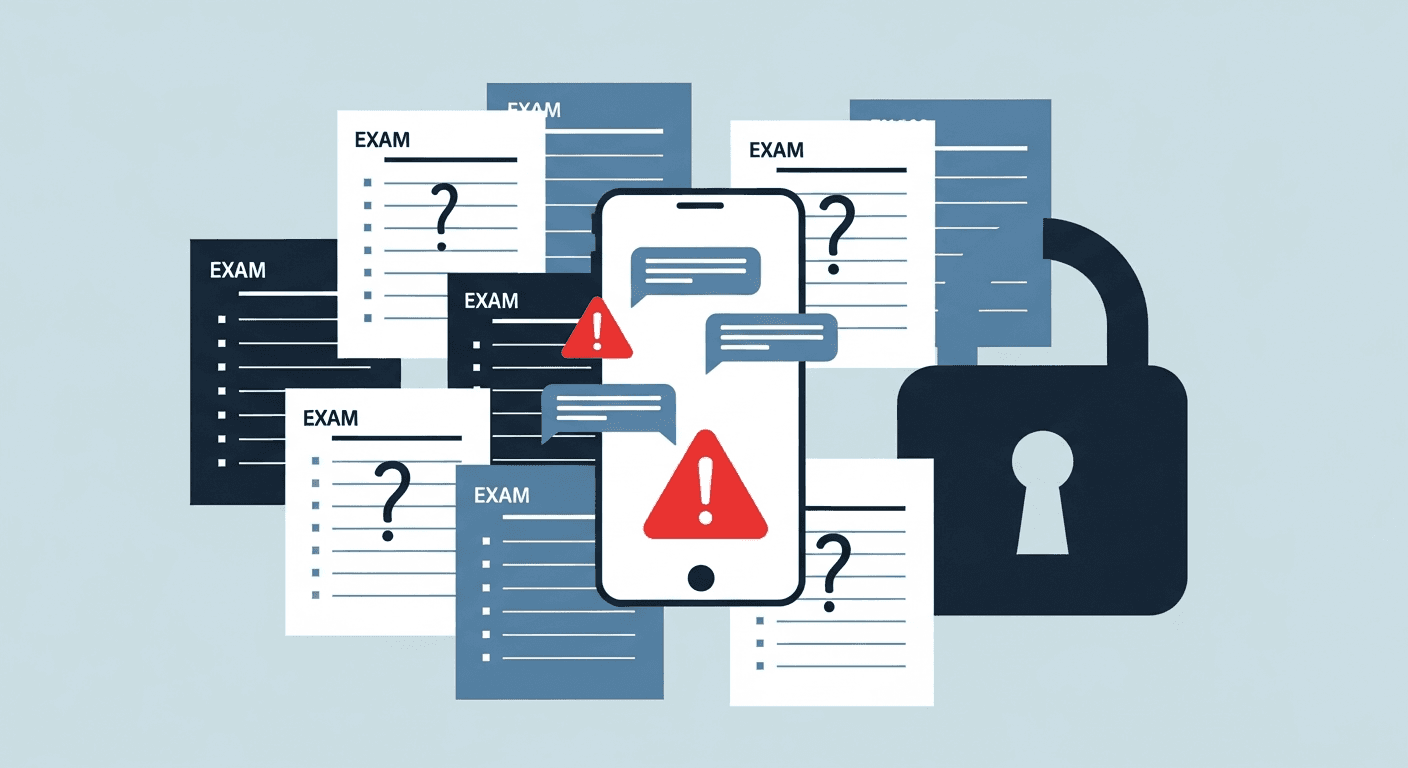
NEET UG 2026's Telegram Paper Leak Scam: What the Crisis Reveals About Exam Security
In the days before NEET UG 2026, over 120 Telegram and Instagram channels sold fake 'leaked papers' to anxious students. Here is how the scam industry works and what it reveals about India's exam security gaps.

First-Time NAAC Accreditation in 2026: What the Binary Framework Means for Your Institution
With over 60 percent of India's colleges still unaccredited and NAAC shifting to a binary model, institutions preparing for their first accreditation cycle need a fundamentally different evidence strategy — and digital examination data is now one of the strongest assets they can build.
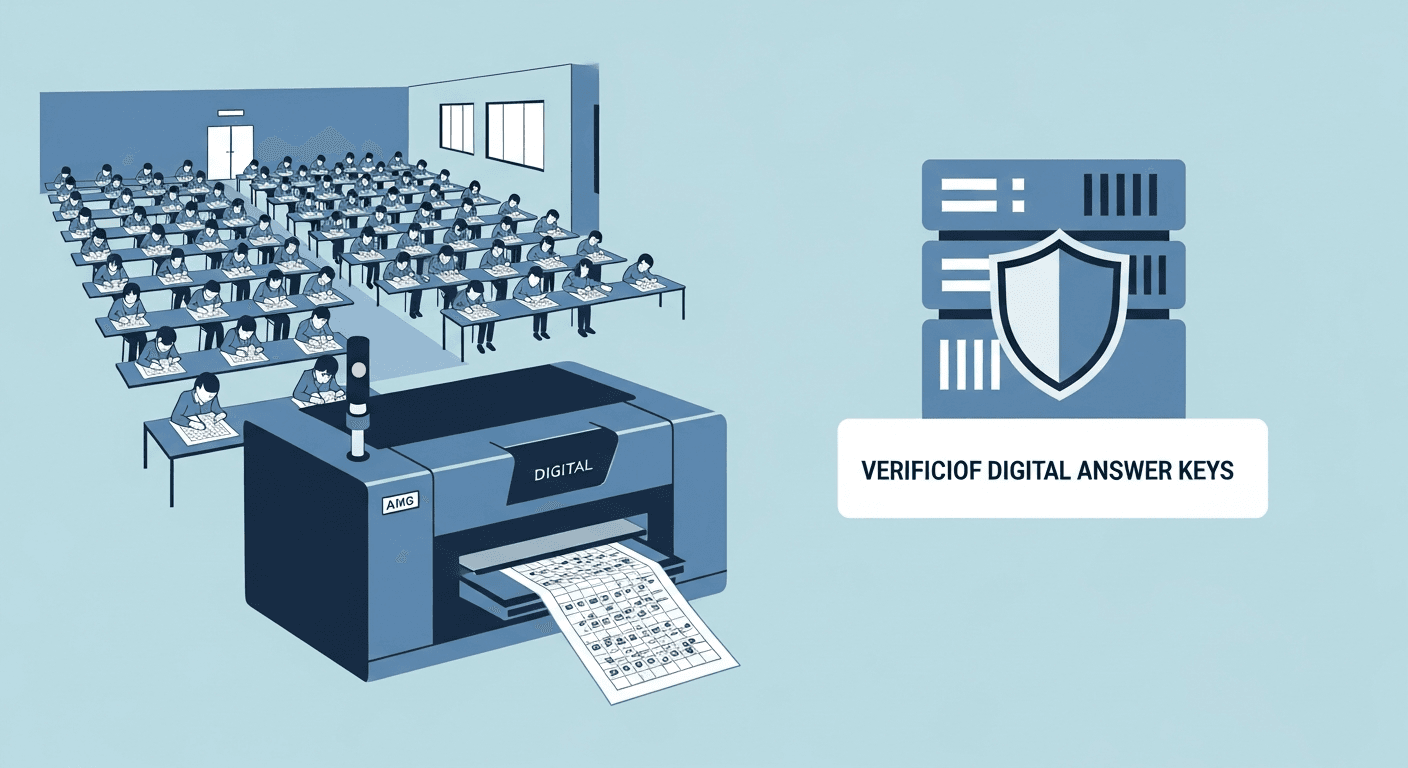
NEET UG 2026: How NTA Evaluates 24 Lakh Answer Sheets and Resolves One Lakh Disputes
With NEET UG 2026 scheduled for May 3, the National Testing Agency will process over 24 lakh OMR answer sheets digitally and run a structured answer key challenge mechanism — one of the largest digital evaluation operations conducted annually in the world.

Punjab's Digital University Policy 2026: The New Standard for Online Degree Programmes in India
Punjab became India's first state to establish a regulatory framework for fully digital private universities in January 2026, setting mandatory infrastructure standards for online examination systems and learner protection.

CBSE Evaluators Are Marking From School: What OSM's Quiet Win Means for Universities
As CBSE's first full OSM cycle nears completion, evaluators are sending selfies from school marking stations — a cultural shift that matters far beyond CBSE itself.

Why the Speed of Your Evaluation System Is Now an Admissions Competitive Advantage
In India's compressed admissions calendar, institutions that declare results faster attract better cohorts, open counselling earlier, and score higher on NIRF graduation outcome parameters.
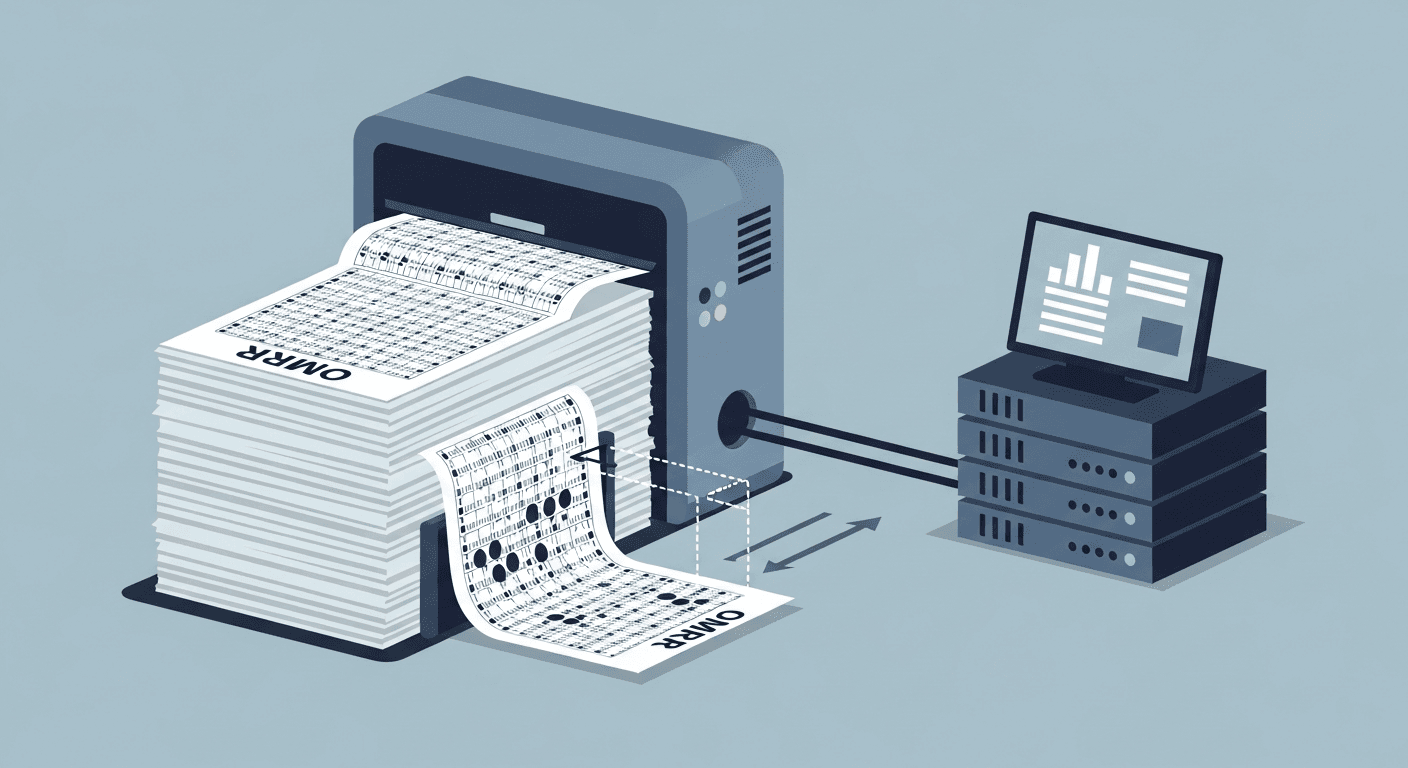
NEET UG 2026 Is Over: How NTA Evaluates 26 Lakh OMR Sheets in 45 Days
NEET UG 2026 concluded on May 3 with 26 lakh candidates. Here is a detailed breakdown of the evaluation pipeline — from OMR scanning to final result — and what the model offers for university exam systems.

DU's May 2026 Exam Postponement and the Case for Examination Resilience
When Delhi University postponed all postgraduate exams for May 20–25 due to unavoidable circumstances, it highlighted a systemic vulnerability in large affiliating universities — and what digital infrastructure can do about it.

Digital Evaluation for Tier-2 and Tier-3 Affiliated Colleges: A Practical Guide
Affiliated colleges in smaller cities often assume digital evaluation is out of reach. This guide shows what the transition actually requires, which NAAC and NIRF parameters it directly improves, and how to get started with limited resources.
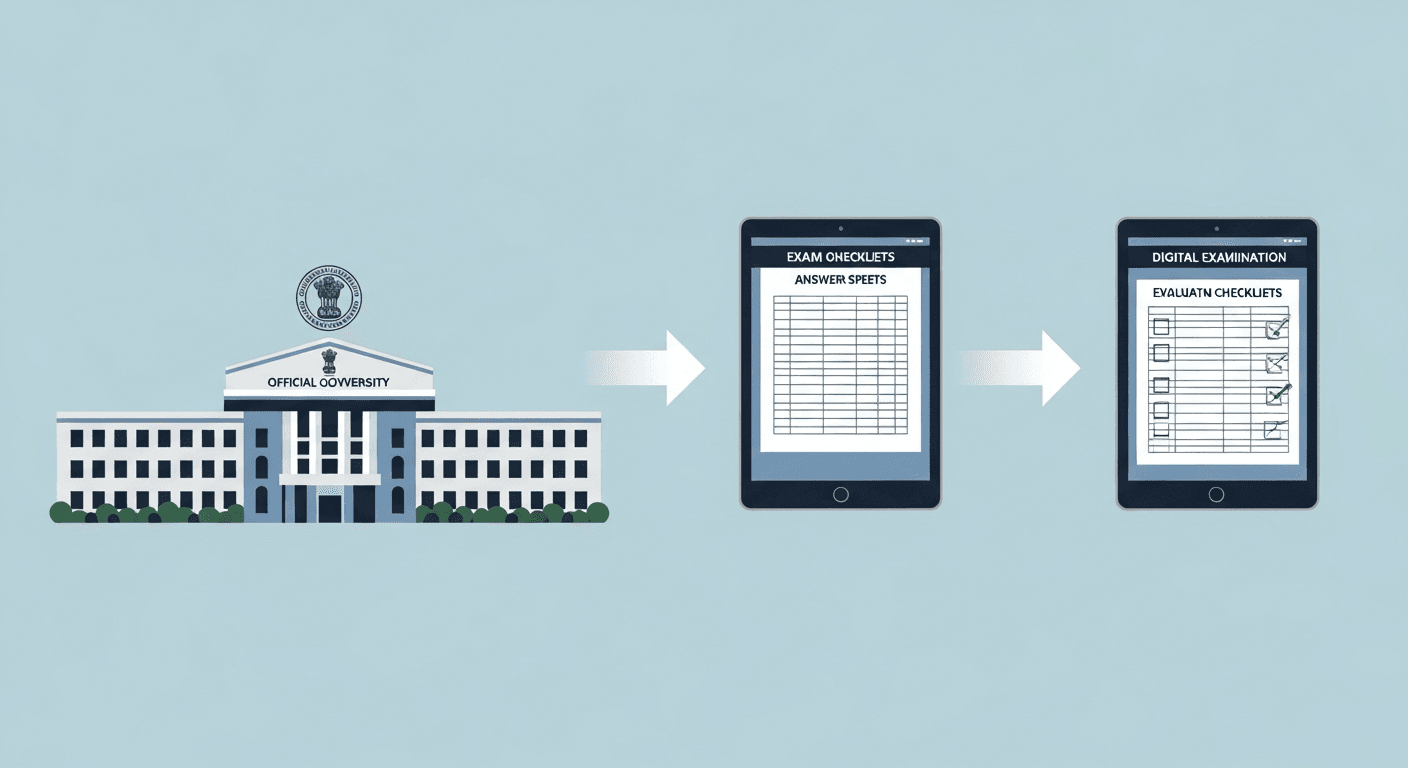
UP Mandates AKTU Digital Exam Model Across All State Universities
Uttar Pradesh has directed all state universities to adopt the AKTU digital examination framework, marking one of the largest state-level mandates for digital evaluation reform in India.
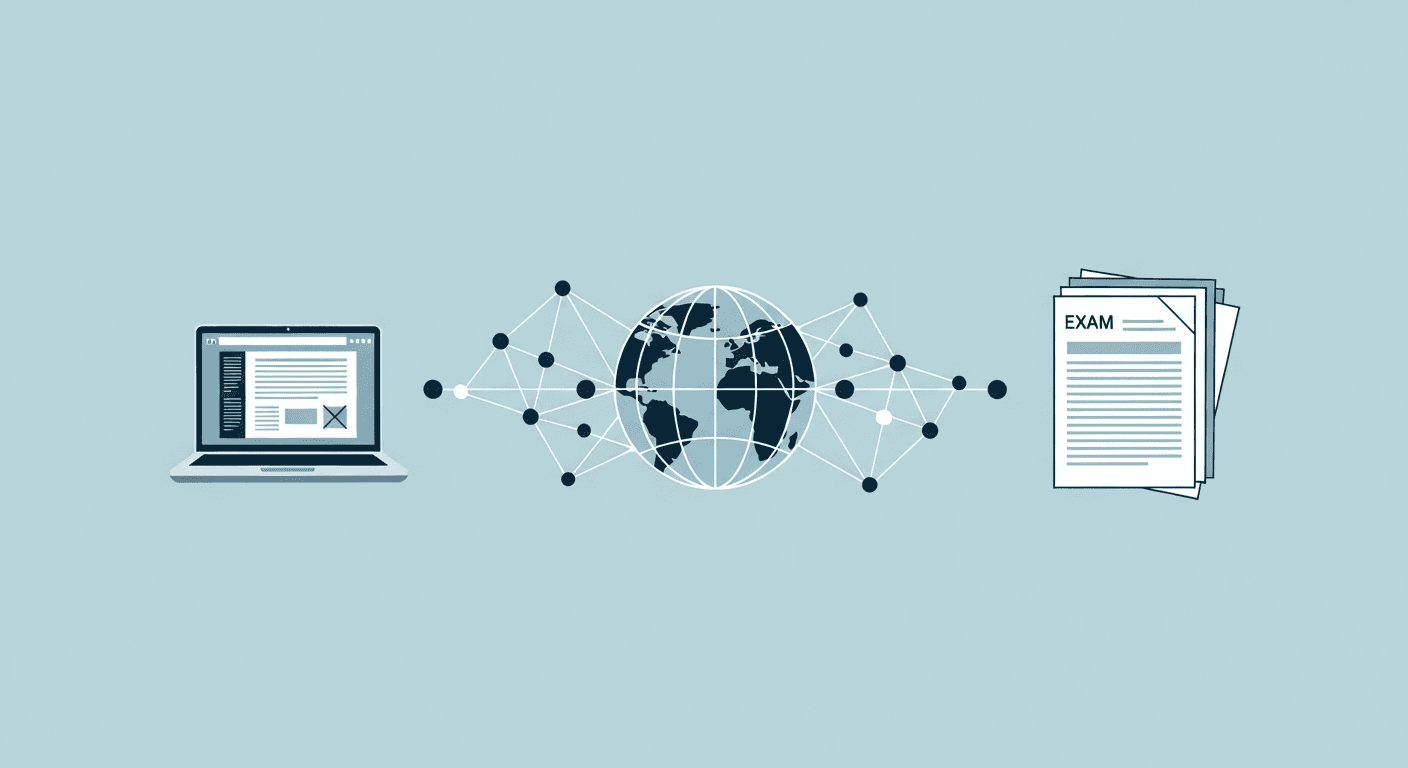
Cambridge International Goes Digital: The Global Signal India Cannot Ignore
Cambridge International Education is rolling out digital examinations from June 2026, with India-based schools eligible from 2027. Here is what the global shift means for Indian institutions, their exam infrastructure, and their accreditation goals.

What ICAI's Digital Evaluation Model Teaches Indian Universities
The Institute of Chartered Accountants of India has run fully digital evaluation for all CA papers since 2023, covering lakhs of candidates annually. Its implementation experience offers a practical roadmap for universities scaling onscreen marking.

Maharashtra HSC 2026: How the New Class Improvement Scheme Depends on Digital Infrastructure
Maharashtra Board declared HSC 2026 results on May 2 with an 89.79% pass rate and simultaneously launched a three-attempt Class Improvement Scheme. The policy only works at scale because of digital evaluation infrastructure.

How to Choose Onscreen Marking Software: A 2026 Guide for Indian Universities
With 74% of Indian institutions now adopting digital evaluation, choosing the right onscreen marking platform has become a critical infrastructure decision. This guide covers what actually matters.

HPBOSE 12th Result 2026: What HP Board's 30-Day Turnaround Tells Us About State Board Evaluation
Himachal Pradesh declared its Class 12 results on May 4, just 33 days after exams ended. The timeline is a case study in what efficient, technology-enabled board evaluation can achieve.
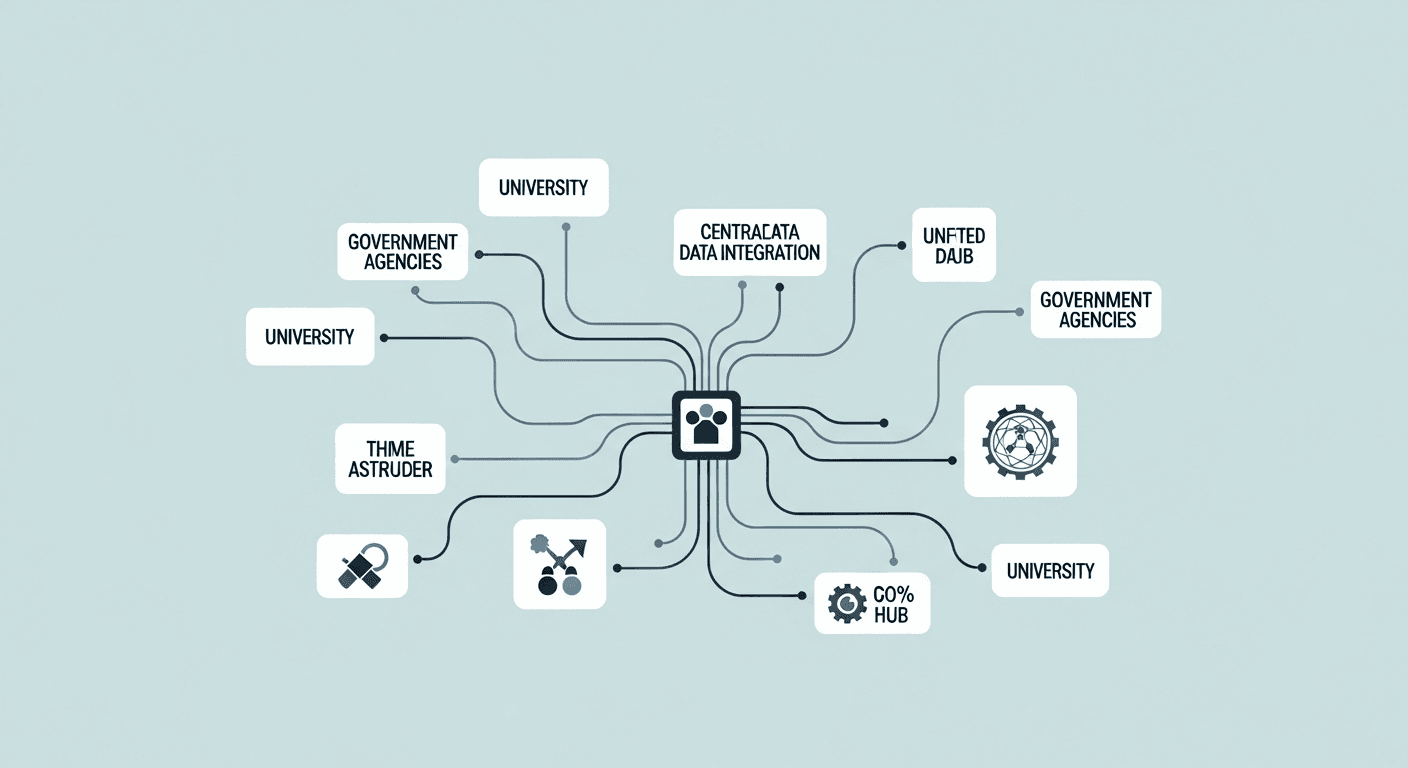
One Nation One Data: Why NAAC's 2026 Reforms Demand Digital Examination Records
NAAC's shift to binary accreditation and the One Nation One Data platform means institutions must now maintain verifiable, machine-readable examination records — or risk DVV compliance failures.
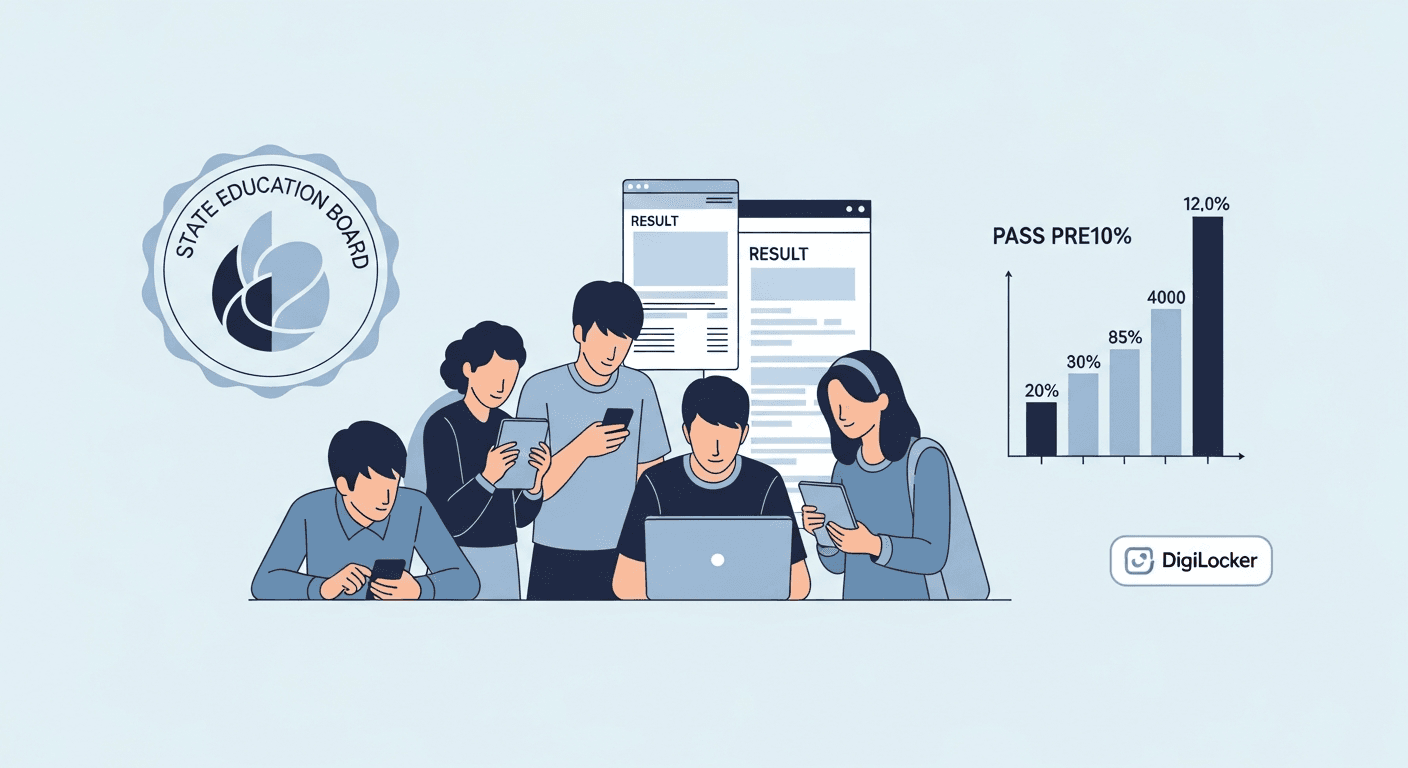
GSEB 2026: Gujarat Declares Results for 17 Lakh Students in Two Days
Gujarat's GSEB declared SSC and HSC results for over 17 lakh students between May 4–6, 2026. The numbers expose what disciplined state-level digital evaluation infrastructure can achieve.

NIRF 2026 Rankings: What Separates Top Institutions in Examination Quality
With NIRF 2026 rankings officially released, the data points to a consistent pattern among high-performing institutions — robust examination infrastructure and verifiable outcome data. Here is how digital evaluation directly moves your NIRF score.

VBSA Bill 2025: What India's Higher Education Overhaul Means for University Examinations
The Viksit Bharat Shiksha Adhishthan Bill, 2025 proposes replacing UGC, AICTE, and NCTE with a unified regulator. Here is what the shift means for examination governance, accreditation evidence, and institutional compliance.

CBSE Class 12 Result 2026 Is Out: What the First Full OSM Cycle Delivered
CBSE declared Class 12 results on May 7, 2026, marking the end of the first exam season where on-screen marking handled all 18 lakh answer scripts. Here is what actually happened.

When the Invigilator Leaks the Paper: India's Insider Threat Problem
An MP Board invigilator photographed the Class 10 English question paper and posted it to WhatsApp status during the exam. The case exposes a threat that encryption and surveillance cannot fully address.

Building for NIRF 2027: How Digital Evaluation Data Helps Mid-Tier Colleges Climb Rankings
NIRF 2026 submissions close soon and rankings release in mid-2026. Institutions ranked 100-500 have the most to gain by systematically building digital evaluation data infrastructure before the 2027 cycle opens.
How India's Exam Boards Coordinated Against Fake Paper Leaks in 2026
CBSE, CISCE, NIOS, and state boards deployed a coordinated institutional response this exam season — combining digital surveillance, cybercrime law, and inter-agency coordination to fight misinformation at scale.
NEET 2026: How India's Most Scrutinised Exam Ran Clean for 22.79 Lakh Students
After the 2024 NEET scandal reshaped India's exam governance, the May 3 2026 conduct marks a turning point — and the technology stack behind it holds lessons for every university evaluation system.
NEP's Semester System Is Doubling Exam Volume — Is Your Institution Ready?
As universities across India transition from annual to semester examinations under NEP 2020, the evaluation workload doubles overnight. Digital evaluation is no longer a convenience — it is an operational necessity.

When ChatGPT Enters the Exam Hall: AI-Assisted Fraud in India's Professional Education
From a hidden phone in an AIIMS washroom to NEET candidates booked under the Public Examinations Act, AI-assisted cheating is escalating in India's high-stakes professional exams — and traditional invigilation is struggling to keep pace.

CBSE Open Book Exams for Class 9 from 2026-27: What It Means for Evaluation
CBSE has formally approved open-book assessments for Class 9 starting 2026-27. The shift from testing memory to testing mastery changes not just question design but the entire evaluation infrastructure schools and boards must maintain.

UGC Fitness Rules 2024: Why NAAC, NBA, and NIRF Are Now Tied to Your Funding
The UGC's new Fitness of Colleges for Receiving Grants Rules 2024 make NAAC accreditation, NBA programme approval, and NIRF participation mandatory conditions for central government funding — and digital examination records are the foundation of the evidence institutions need.

AI Proctoring vs Human Invigilation: A Decision Guide for Indian Universities in 2026
Indian universities running online exams face a choice between AI and live human proctoring. This guide breaks down the trade-offs, costs, and compliance considerations for 2026.

India's Rs. 2.5 Lakh Crore EdTech Bet: What Soaring Investment Means for Digital Exam Evaluation
India's edtech sector raised 273% more funding in early 2026 than the same period in 2025. Here is what the Rs. 2.5 lakh crore market projection means for universities adopting digital exam evaluation technology.

Can an AI Judge Your Exam? What 2026 Research Reveals About LLMs as Graders
New research published in 2026 tested ChatGPT-5, Claude, Gemini, and others as automated graders for subjective exam papers. The findings have significant implications for India's digital evaluation agenda.

Building a NIRF Data Strategy: How Digital Evaluation Generates Ranking Evidence
Every timestamp, marking decision, and audit log in a digital evaluation system generates data that maps directly to NIRF parameters. Here is what institutions should be capturing — and how to use it before the next submission window.

The Rs 5 Lakh Guess Paper: Inside India's NEET 2026 Paper Leak Investigation
Rajasthan's Special Operations Group has detained 13 suspects in connection with a handwritten guess paper that allegedly matched over 140 NEET 2026 questions — exposing the gap between digital security at exam centres and upstream paper handling.

Uttarakhand Mandates On-Screen Marking for All State University Exams in 2026
Uttarakhand's Higher Education Minister has directed all state universities to adopt on-screen marking from January 2026 — making it one of India's most sweeping state-level university examination reforms to date.

Student Exam Data Under India's DPDP Act 2023: What Universities Must Get Right
India's Digital Personal Data Protection Act 2023 applies directly to examination records. As digital evaluation becomes standard, universities face new obligations around consent, data retention, breach notification, and student rights.

What NAAC Peer Teams Actually Ask During an Inspection — and How Digital Evaluation Answers Them
NAAC peer team inspections focus on evidence, not intent. Here is the specific set of examination-related questions assessors ask, and what institutions with digital evaluation can demonstrate that paper-based institutions cannot.

NEET UG 2026 Cancelled: What the Five-State Paper Leak Reveals About Exam Security
The NEET UG 2026 examination was cancelled on May 12 after a paper leak involving an organised inter-state network spanning five states — exposing the structural vulnerabilities that no amount of in-hall surveillance can fix.

CBSE Class 12 2026: What the 3.19% Pass Rate Drop Actually Tells Us
When CBSE declared Class 12 results on May 13, 2026, with a pass percentage of 85.20% — down from 88.39% in 2025 — the official explanation pointed to the changed assessment scheme. The data reveals a more complex story.

Why India's Medical Community Is Demanding NEET Move to Computer-Based Testing
Within 24 hours of NEET UG 2026 being cancelled on May 12, the Federation of All India Medical Associations filed a Supreme Court petition demanding NTA be replaced and the exam converted to CBT. Here is why that argument is gaining traction.

The Three-Year Evidence Window: Why 2026 Is the Year to Start Digital Evaluation
Institutions pursuing NAAC Binary accreditation or NIRF ranking improvement in 2028-29 need three years of structured examination data. 2026 is the last viable year to start building that record cleanly.
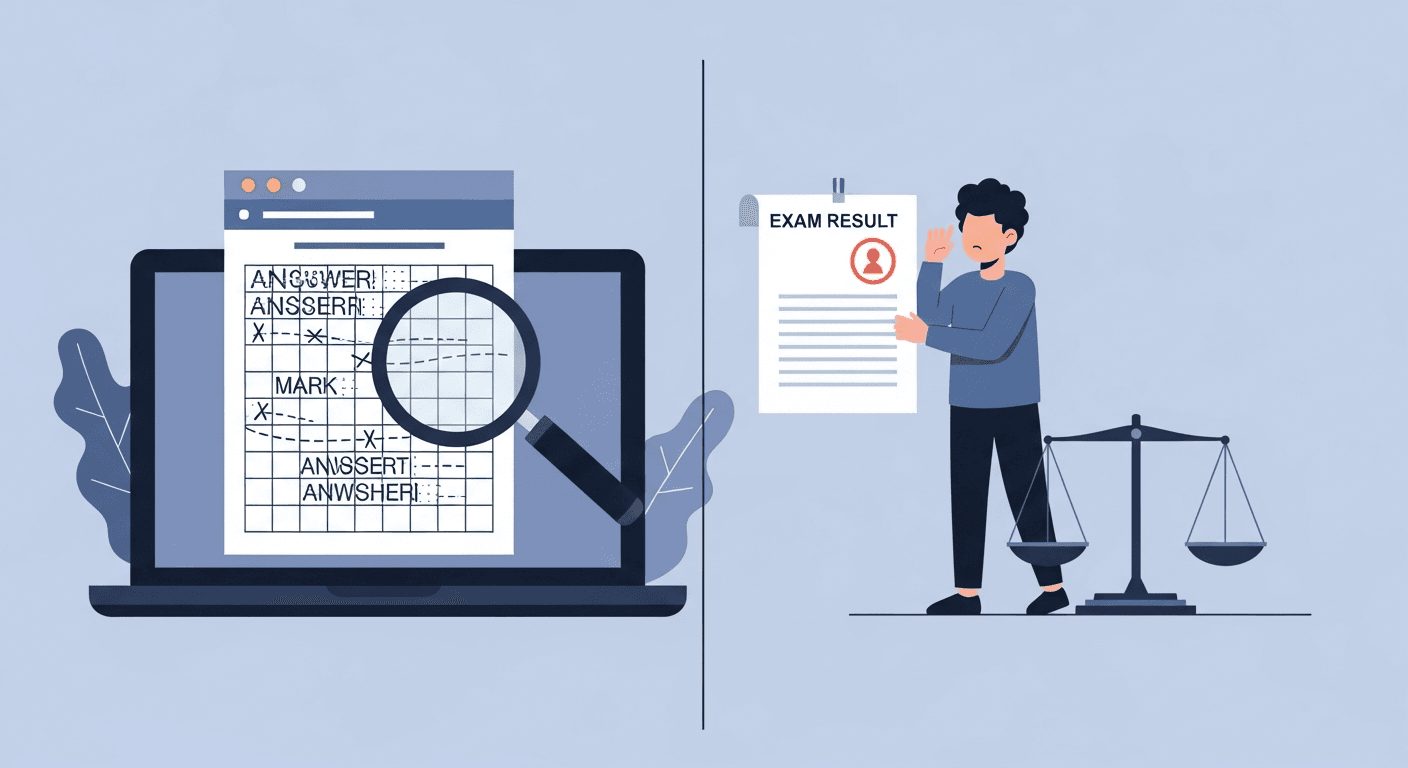
CBSE OSM 2026: Why Students Say Digital Marking Is Unfair — And What the Data Shows
After CBSE declared Class 12 results with an 85.20% pass rate — down from 88.39% last year — students across India are demanding free re-evaluation, alleging on-screen marking is unfair. A closer look at what the numbers actually reveal.
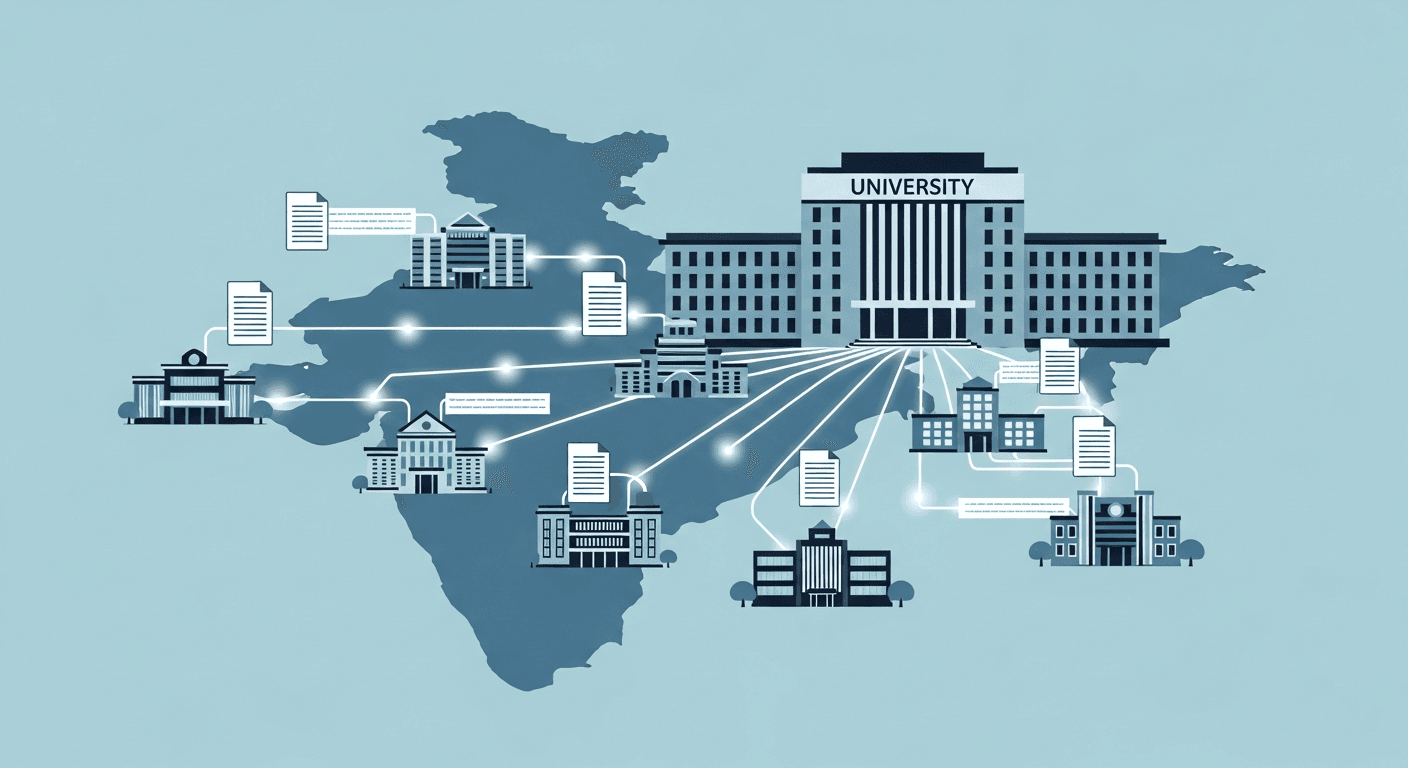
CBSE's 9.8-Million Answer Sheet Milestone: What Every Affiliating University Should Learn
CBSE evaluated nearly 10 million Class 12 answer scripts through on-screen marking for the first time in 2026 — India's largest digital evaluation deployment. Five lessons affiliating universities and state boards can apply starting this academic year.

NEET 2026 Hybrid Exam Model: How Encrypted Paper at Centre Could Seal the Leak Chain
India is considering a computer-assisted paper-based test for NEET after the 2026 cancellation — encrypted question papers delivered digitally to centres for on-site printing. Here is what the model involves and what it still leaves unaddressed.
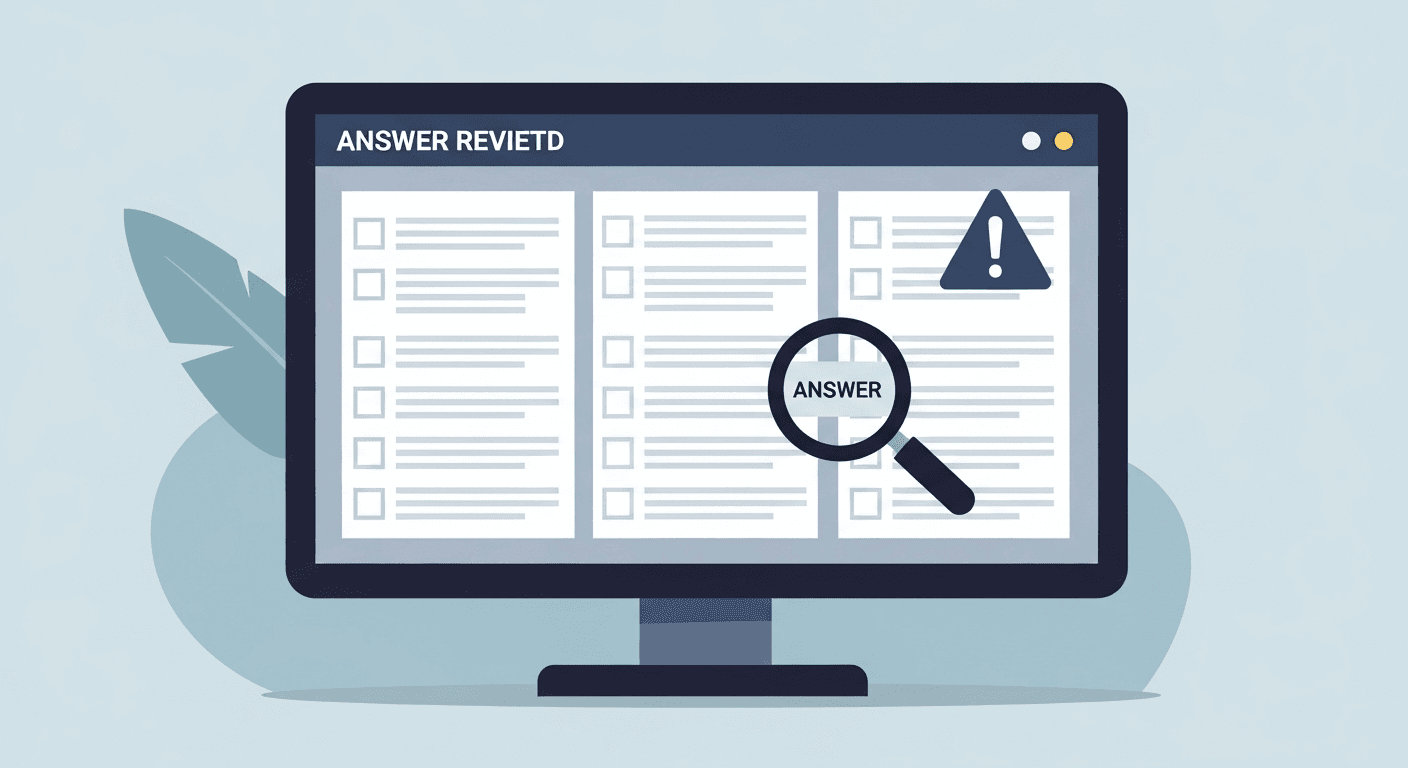
CBSE OSM 2026: Why 1.63 Lakh Students Are in Compartment and What It Reveals
CBSE's first full-scale on-screen marking cycle placed 1.63 lakh students in compartment. Here is what the data reveals about calibrating digital evaluation in its debut year.
NEET Goes Computer-Based from 2027: What the Government's Confirmation Means
Education Minister Dharmendra Pradhan confirmed on May 15, 2026, that NEET UG will shift to computer-based testing from 2027. Here is what the announcement means for exam security and evaluation infrastructure.

NIRF 2026 Rankings Drop in August: Using Evaluation Data in the Three-Month Window
India's NIRF 2026 rankings are due in August. Institutions that build audit-ready examination records now can still strengthen Graduation Outcomes and Teaching-Learning scores before DVV scrutiny begins.

CBSE OSM 2026 Revaluation: The ₹700 Debate and What Institutions Should Learn
CBSE's May 18-29 revaluation window for OSM answer sheets — with fees of ₹700 per photocopy and ₹100 per question for re-evaluation — has ignited a debate about whether digital transparency should carry a price tag.
FAIMA Moves Supreme Court to Dismantle NTA After NEET 2026 Paper Leak
India's largest medical body has filed a PIL in the Supreme Court demanding NTA be replaced with a technologically advanced autonomous body, mandatory computer-based testing, and digital paper locking — marking a turning point in India's exam reform debate.

NEET UG 2026: When the Paper-Setter Is the Leak — The NTA Insider Threat
The CBI arrest of an NTA paper-setting committee member reveals a fundamental flaw in paper-based exams — no external security measure can protect against an insider who authors the paper itself.

CBSE Marks 98 Lakh Scripts Digitally While NEET Collapses: May 2026's Exam Verdict
Two national exams, one season, two dramatically different outcomes. What the CBSE OSM success and the NEET 2026 paper leak reveal about where each system's structural risk actually lives.

TS EAMCET 2026 Results in 48 Hours: The Speed Benchmark Every University Should Study
Telangana's engineering entrance exam declared results within 48 hours of CBT evaluation for over 2.10 lakh candidates. Here is what that speed means for NAAC criterion scores, NIRF graduation outcomes, and the institutional case for digital evaluation.

12 Exam Security Questions Every University Controller Must Answer After NEET 2026
The NEET 2026 paper leak exposed failure modes that exist across India's examination ecosystem. This audit checklist helps university exam controllers map their own exposure and prioritise where digital evaluation creates the most durable protection.

CBSE OSM Year One: How India's Education Secretary Turned a Crisis into a Blueprint
When CBSE's first full-scale on-screen marking cycle sparked widespread STEM mark complaints, India's Education Secretary personally held a press conference — slashing fees, announcing refunds, and defending the system's future.
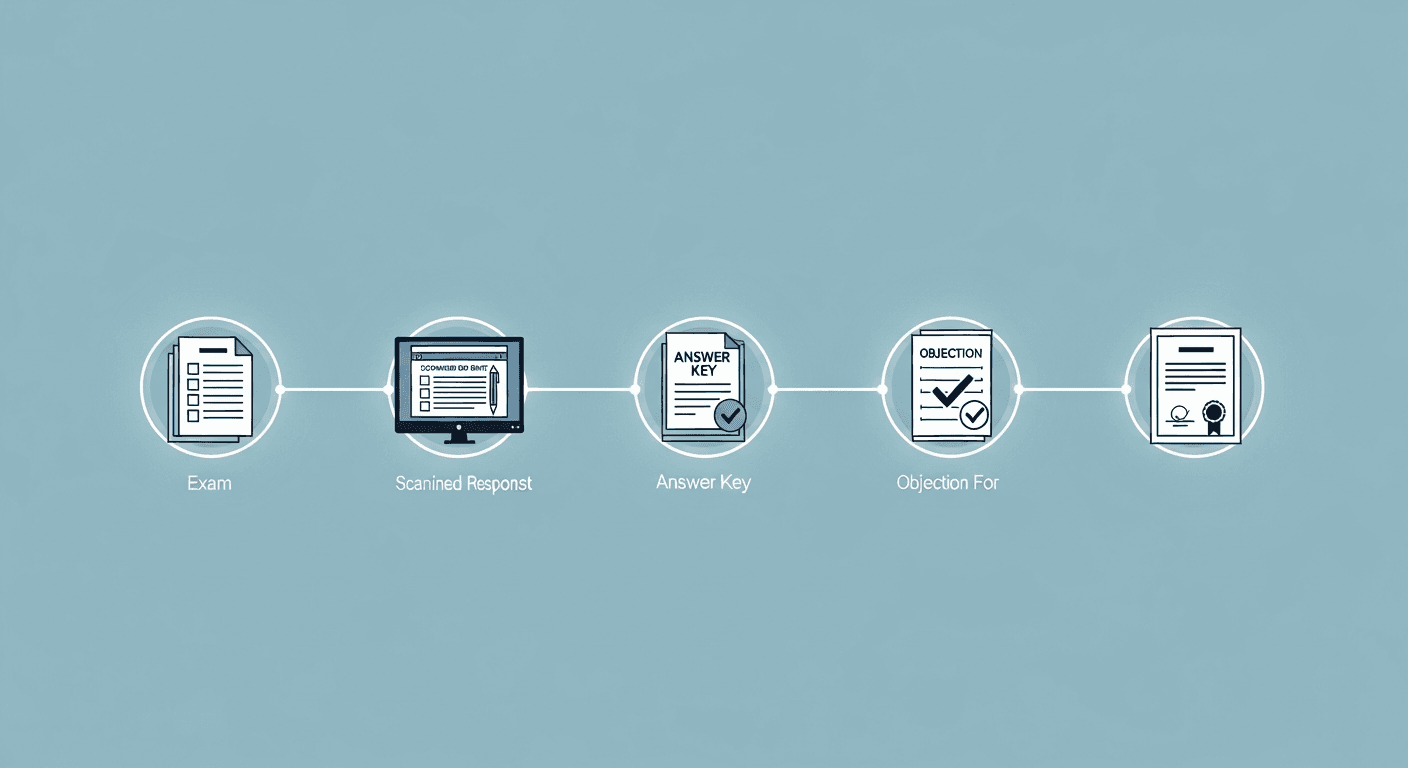
What JEE Advanced Gets Right: The Transparency Model Every University Should Study
IIT Roorkee's digital transparency chain — personal response sheets, provisional answer keys, a formal objection window, and a final key — offers a replicable blueprint for exam integrity that any university can adapt.
India's Parliament Puts NTA on Notice: What the May 21 Hearing Will Probe
The Parliamentary Standing Committee on Education has summoned NTA's chief for a high-stakes May 21 hearing covering the NEET 2026 paper leak investigation, 101 unimplemented exam reforms, and AI's growing role in education.

AI Answer Sheet Grading in 2026: A Practical Guide for University Administrators
Multiple AI grading products now target Indian universities. This guide breaks down what AI can reliably grade, where it still needs human oversight, and what to ask vendors before committing.

India's Faculty Vacancy Crisis Is Making Digital Evaluation Unavoidable
India's universities carry 30-40% faculty vacancies — and NEP 2020's expanding assessment volumes are making that shortage a direct threat to timely results. Here is how digital evaluation changes the arithmetic.

Indian Degrees Abroad: Why Poor Exam Records Are Costing Graduates Global Opportunities
Over 500,000 Indian graduates seek international credential verification each year. For universities without digital exam records, WES evaluations take weeks longer — a gap that digital evaluation infrastructure can close.

NAAC MBGL Levels 1 to 5: What Examination Records You Need at Each Tier
NAAC's Maturity-Based Graded Levels framework rewards examination governance with ascending rigour at each tier. Here is precisely what data, documentation, and digital infrastructure each level requires.

After NEET 2026 Is Cancelled, States Want Board Marks to Decide Medical Seats — The Evaluation Stakes Just Got Higher
Tamil Nadu CM Vijay and others are demanding NEET's abolition and a return to Class 12 board marks for medical admissions. If that happens, the integrity of state board answer evaluation becomes a matter of life-altering consequence.

Why JEE Advanced Papers Don't Leak While NEET's Did: What the Architecture Gap Tells Us
JEE Advanced has run clean in its CBT era while NEET-UG suffered confirmed leaks in 2024 and 2026. The difference is not oversight quality — it is examination architecture. Here is what that gap reveals.

AIBE Goes Biannual: What India's Bar Exam Overhaul Means for Law School Assessment
The Bar Council's decision to make AIBE biannual and open it to final-year students is the biggest reform to legal education assessment in a decade — and it has direct implications for how law colleges evaluate students.

The Forgotten Sector: Why B.Ed Colleges Must Lead India's Digital Evaluation Transition
India trains over 10 lakh future teachers annually, yet most B.Ed colleges still evaluate with paper answer scripts — a contradiction at the heart of NEP 2020's vision for competency-based, digitally enabled education.
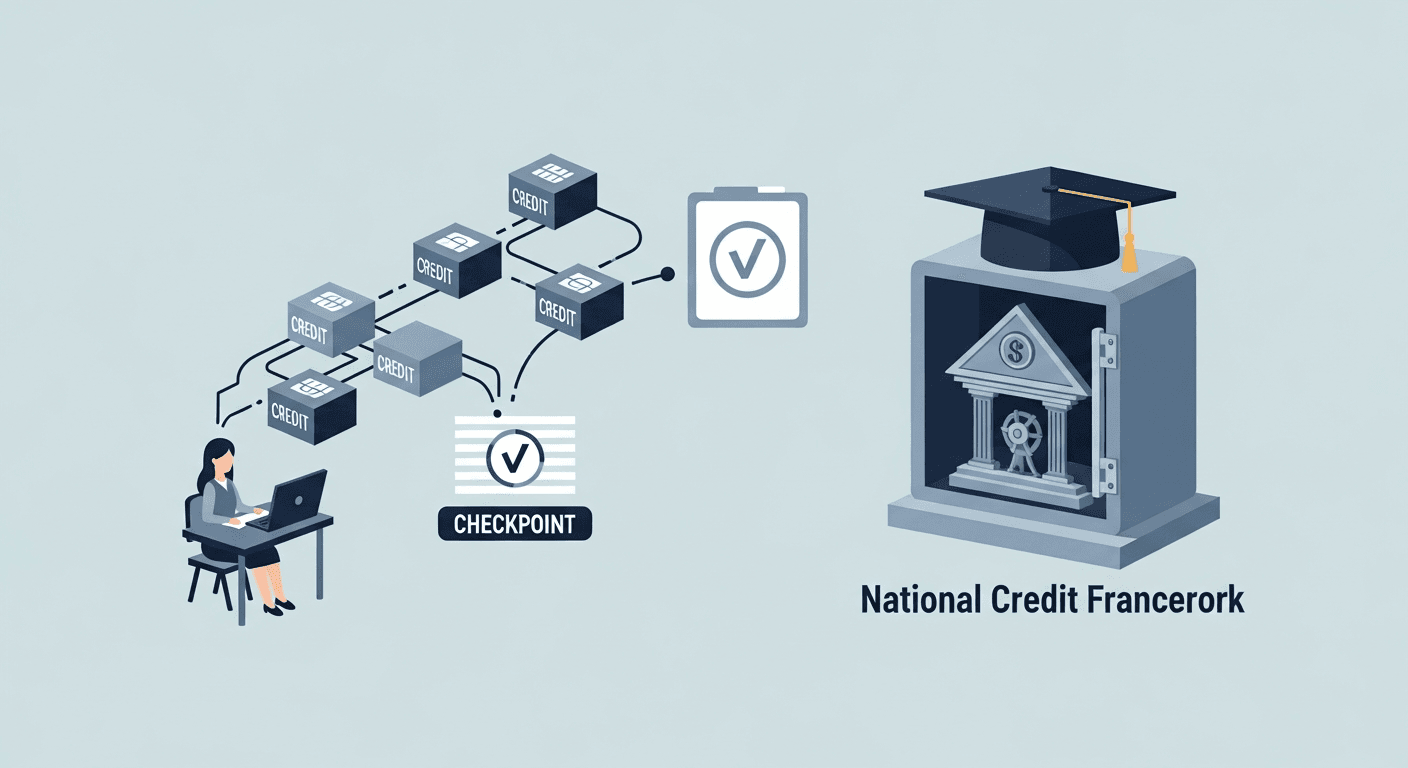
India's National Credit Framework: Why Digital Evaluation Is Now a Structural Requirement
The NCrF turns every assessment into a digital record that feeds India's Academic Bank of Credits — making paper-based evaluation a compliance liability, not just an operational inefficiency.
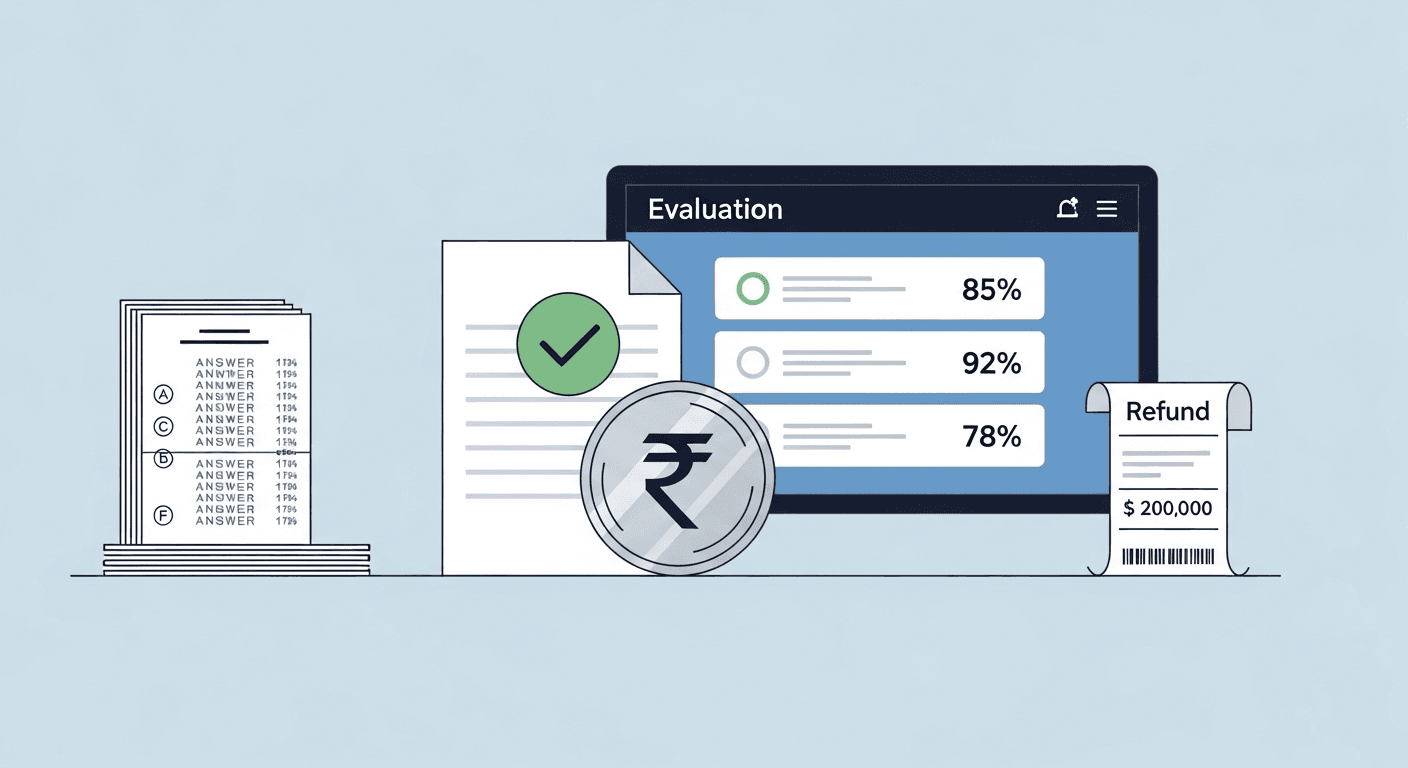
CBSE Drops Revaluation Fee to Rs 100 With Full Refund: What This Signals About OSM
After student backlash over Class 12 marks under On-Screen Marking, CBSE slashed its revaluation fee from Rs 700 to Rs 100 and introduced a full refund if marks change. The policy shift reveals how digital evaluation changes the economics of mark disputes.
NEET UG 2026 Cancelled Nationally: How India Plans to Retest 22 Lakh Aspirants
On May 12, India cancelled NEET UG 2026 for all 22.79 lakh candidates just nine days after the exam — the second invalidation in three years. Here is what the crisis reveals about examination infrastructure and the path forward.

When Exams Fail at Scale: Counting the True Cost of India's NEET 2026 Crisis
The NEET UG 2026 cancellation did not just inconvenience 22 lakh students — it generated measurable economic, administrative, and human costs that run into hundreds of crores. Examining those costs is the most direct argument for secure examination infrastructure.

Why the Global AI Cheating Crisis Is Making On-Screen Marking Indispensable
As ACCA abandons remote exams and 46% of students admit using LLMs in graded work, supervised handwritten exams evaluated on-screen have become the only academically credible format.

CBSE's Blurred Answer Sheet Crisis: Seven Scanning Standards Every University Must Meet
Students received unreadable, cropped, and faded scanned copies of their Class 12 answer books in May 2026. The lesson for universities planning digital evaluation is about scanning quality, not technology.

Your Institution's Examination Records Are Now a Strategic Asset
NAAC's AI-verified binary framework, NIRF data audits, and UGC compliance checks are converging in 2026-28. Institutions with three years of structured digital evaluation data are sitting on a competitive advantage they may not yet realise.

IB Goes Digital in May 2026: What the Diploma Programme Pilot Means for India's International Schools
The International Baccalaureate launched its first digital Diploma Programme examinations in May 2026, with 60 pioneer schools and 3,000 students. India's 200-plus IB schools now face a structured transition deadline.

NTA's 22-Employee Agency: The Staffing Crisis Behind India's Exam Security Failures
With only 22 permanent employees and 138 outsourced staff conducting 18 national examinations for crores of students, India's National Testing Agency was always structurally vulnerable. The NEET-UG 2026 cancellation makes that visible.

Ahead of the Mandate: How India's Private Universities Are Leading Digital Evaluation Adoption
While state boards and affiliating universities await policy direction, India's private and autonomous institutions are quietly deploying onscreen marking systems — and the results show what the rest of the sector can expect.

Measuring What Matters: ROI Benchmarks for Digital Evaluation in Indian Universities
As more universities adopt onscreen marking, procurement committees and exam controllers need concrete metrics to evaluate the investment. This guide covers the benchmarks that separate successful implementations from expensive experiments, with data from 2025-2026 deployments.
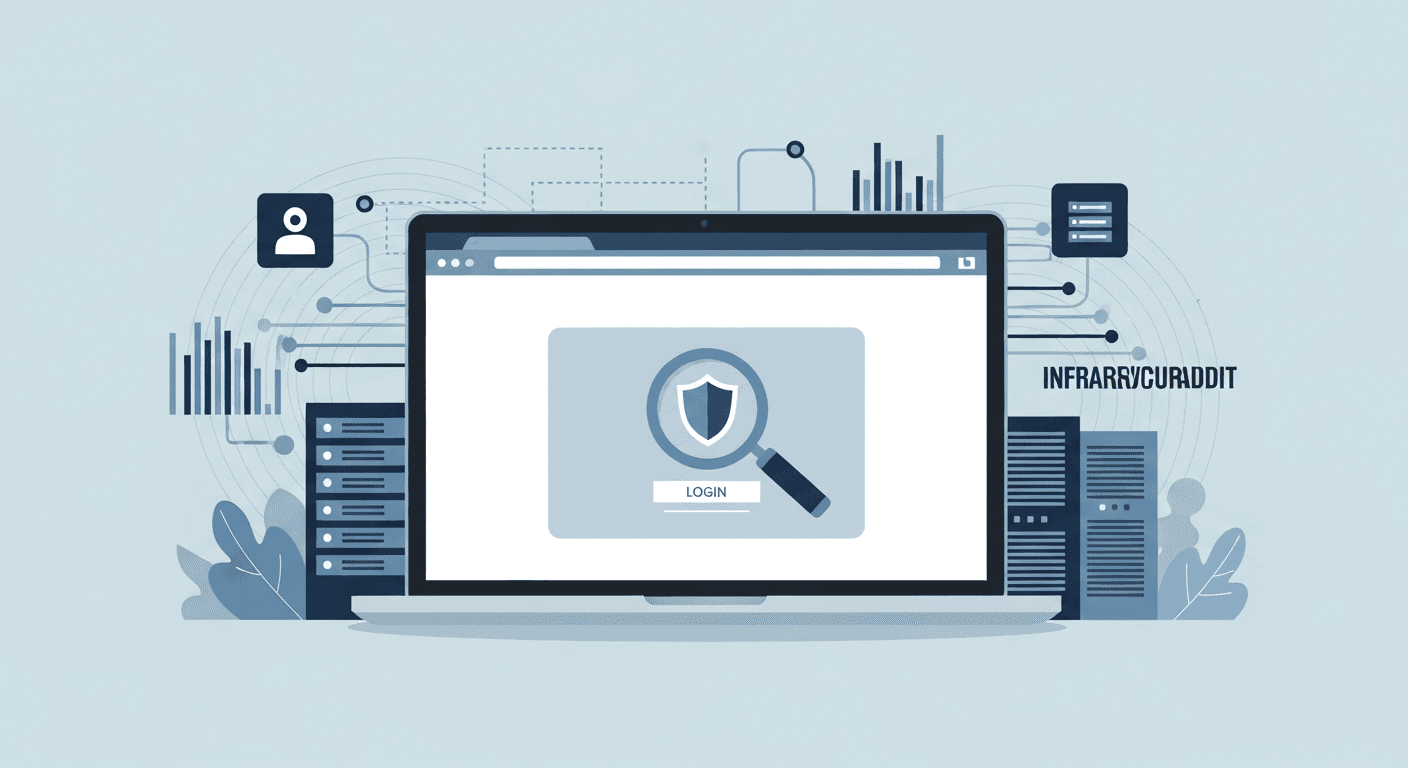
Why IIT Madras Was Called to Fix CBSE's Revaluation Portal
After CBSE's student-facing revaluation portal buckled under demand this week, the Ministry of Education called in IIT Madras to audit the infrastructure. Here is what went wrong and what every institution building a digital evaluation system must learn from it.

NEET Cancelled, CUET Postponed: India's Double Exam Shock of May 2026
In a single fortnight, two of India's largest national examinations were disrupted — NEET-UG cancelled after a paper leak, CUET-UG May 28 exams postponed after a holiday date change. The cascade effects on admissions, evaluation timelines, and 22 lakh students reveal a structural lesson about examination system resilience.

Five Common Security Mistakes in Online Marking Portals — Explained in Plain Language
A recent public report described five common security mistakes found in an online marking portal. CBSE has stated that the affected site was a development server, not their production system. Either way, these are real-world mistakes worth understanding — here's what each one means, and how a properly built platform prevents them.

When the Wrong Student Gets Your Answer Sheet: Inside CBSE's May 2026 Identity Crisis
CBSE admitted this week that a student's answer sheet was sent to a different student during Class 12 revaluation, exposing a fundamental failure in scanning chain-of-custody — and what every exam board must fix.

Jodhpur's AI Breakthrough: 70,000 Subjective Answer Sheets Graded in 3 Days
Rajasthan's Jodhpur district completed India's first large-scale AI evaluation of subjective answers — 70,000 students, 1,000 schools, 5 subjects — in three days. Here is what universities should take from this pilot.

7 Non-Negotiable Features for OSM Platforms: What CBSE's First Year Revealed
CBSE's 2026 OSM rollout — 98 lakh scripts, 68,000 scanning anomalies, admitted answer sheet mix-ups, and a ministerial intervention — is the most detailed live test of digital evaluation at scale India has seen. Here is what the evidence demands.

Kerala Plus Two Result 2026: How a State Board Built a Working Digital Exam Ecosystem
Kerala declared its Class 12 results on May 26, 2026, with 4.52 lakh students accessing marks digitally through KITE and DigiLocker. Here is what every state board can learn from how Kerala handled it.
NCVT ITI Results 2026 and the Skill India Digital Hub: Vocational Certification Goes Digital
The NCVT declared ITI results on April 28, 2026 through the Skill India Digital Hub. For polytechnics and skill universities seeking NAAC and NBA recognition, digital evaluation of vocational programs is becoming a compliance requirement, not just an efficiency tool.

UPSC CSP 2026: What Happened When the QPRep Portal Actually Went Live
On May 24, 2026, UPSC ran its Preliminary Exam with face biometrics and released the answer key the same day — for the first time in its history. Four days in, the lessons for every examination body in India are already visible.
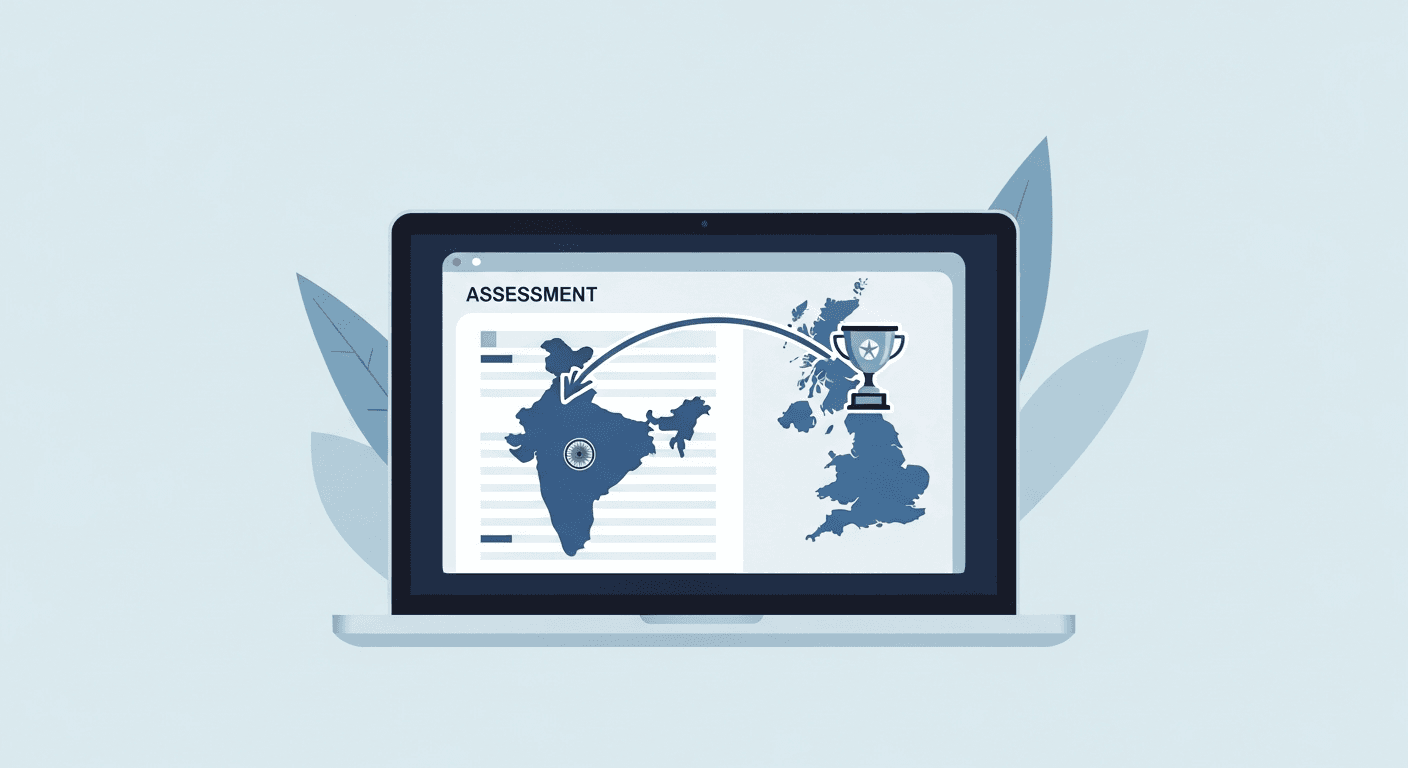
From Mumbai to London: What India's Assessment Tech Earning Global Recognition Means
A bootstrapped Mumbai platform operating across 35 countries has been shortlisted for the 2026 International e-Assessment Awards in the UK. The recognition signals something larger about India's digital examination industry.

India Is Creating One Accreditation Body to Replace NAAC and NBA
The Ministry of Education has set up a committee to form the National Accreditation Council under NEP 2020, consolidating NAAC and NBA into a single framework. Here is what this structural shift means for your institution.

NEET 2026: When an Exam Cancellation Becomes a Mental Health Emergency
The cancellation of NEET UG 2026 after a paper leak sent 22 lakh students into crisis, with at least three suicides reported. This is what systemic examination failure costs beyond the numbers.

Maharashtra Board's AI Evaluation Pilot: What It Means for Supplementary Exams
MSBSHSE is piloting AI-assisted digital evaluation and encrypted question paper delivery for June-July 2026 supplementary exams — the largest state board experiment of its kind.

The Air Force Is Delivering NEET Papers. That Tells You Everything.
NTA is using Indian Air Force logistics to transport NEET-UG retest papers for June 21, 2026 — a measure that reveals the extraordinary cost of running a physical paper exam at national scale.
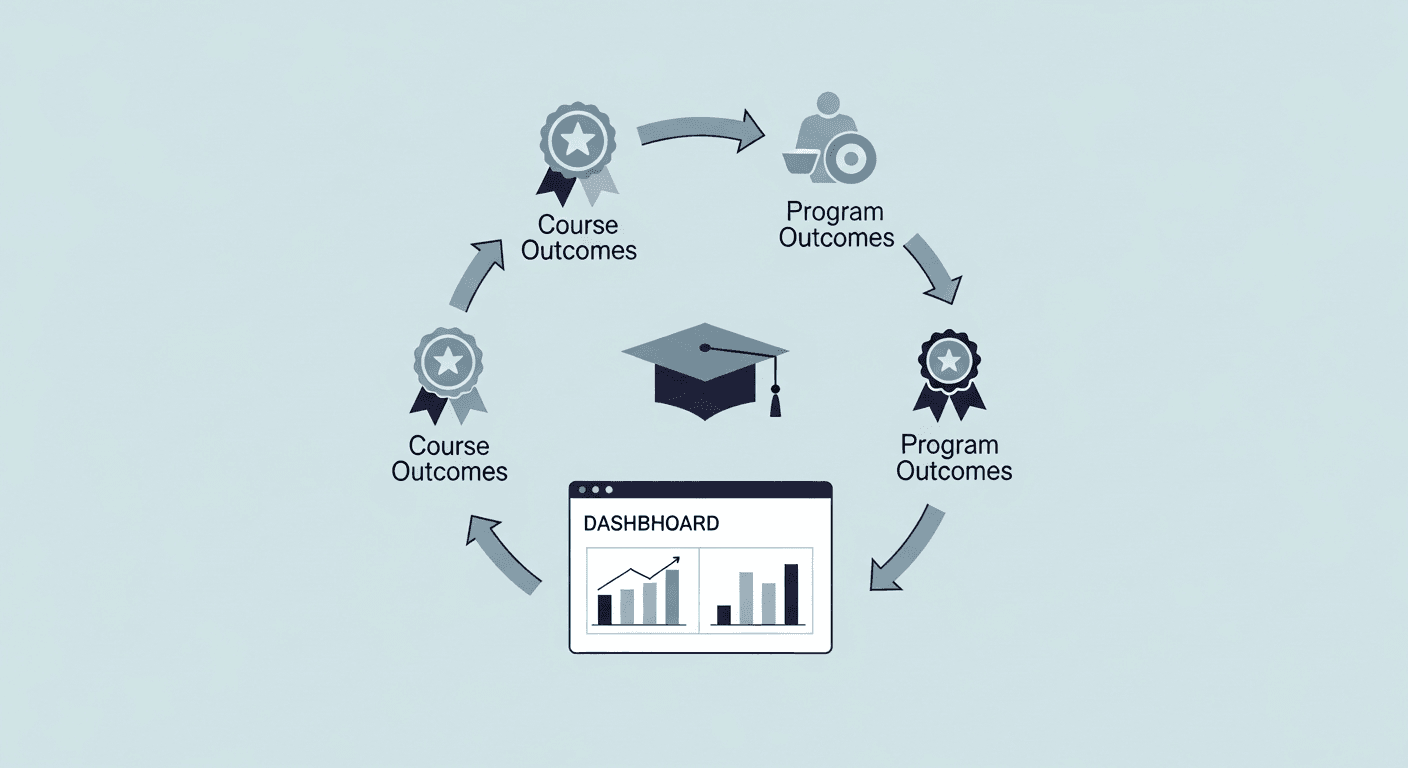
Outcome-Based Education Needs Digital Evaluation: The Accreditation Case
NEP 2020 mandates outcome-based education, NAAC and NBA require outcome evidence — digital evaluation is the infrastructure that makes both possible at scale for Indian colleges.
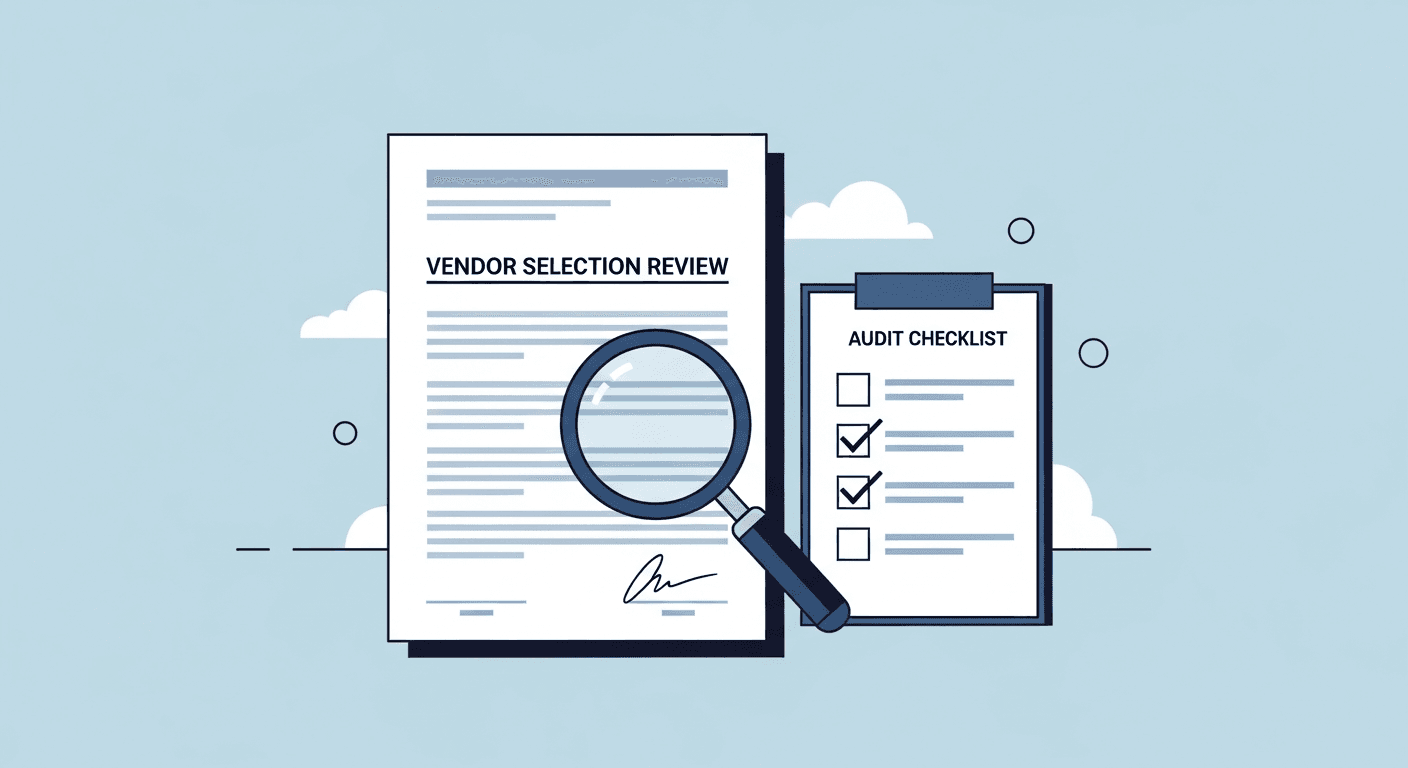
CBSE OSM Procurement Under Scrutiny: Five Lessons for Institutions Choosing Digital Evaluation Vendors
The CBSE OSM contract awarded to Coempt EduTeck — formerly Globarena — has triggered demands for an SIT and judicial inquiry. Here is what happened, and what every institution must know before signing with a digital evaluation technology vendor.

CBSE Opens Question-by-Question Revaluation: What 4 Lakh Students and Universities Need to Know
CBSE's new June 2026 revaluation model lets students challenge specific questions at Rs. 25 each, with revised marksheets delivered automatically to DigiLocker for college admissions. Here is how the process works and what it means for DU, JoSAA, and CUET applicants.

NEET 2026 Retest Pushes MCC Counselling to August: A Guide for Medical Colleges
With Re-NEET scheduled for June 21 and results expected in late July, the MCC counselling calendar has shifted to August–November 2026. Here is what medical colleges and affiliated universities must prepare now, and how digital examination records give institutions a critical advantage in compressed admissions cycles.
CBSE's OnMark Portal Was Hacked Twice: What Digital Evaluation Must Get Right on Security
A 19-year-old ethical hacker exposed critical vulnerabilities in CBSE's OnMark portal, including an unsecured AWS bucket holding millions of answer sheets. Here is what happened and what it means for every institution adopting digital evaluation.

The Early Mover Advantage: How Institutions That Adopted Digital Evaluation in 2024-25 Are Winning Accreditation in 2026-28
While CBSE's first-year OSM controversy dominates headlines, universities that adopted digital evaluation a year or two earlier are quietly accumulating the examination data that NAAC, NIRF, and NBA now require for accreditation.

UGC Equity Regulations 2026: Why Evaluator Anonymity Is Examination Fairness
India's UGC notified anti-discrimination regulations in January 2026. The underlying problem — examiner bias in grading — has a structural answer in digital evaluation with evaluator anonymity, double valuation, and auditable moderation.

India's Youngest Auditor: How a Class 12 Student Triggered a National Reckoning on EdTech Procurement
A Class 12 student's investigation into CBSE's on-screen marking tender exposed shifting eligibility criteria and triggered demands for a judicial probe — revealing how fragile procurement transparency is in India's fast-growing EdTech sector.

Beyond Raw Marks: What CBSE's New Relative Grading System Teaches Universities About Fair Evaluation
CBSE's shift to a normalized 9-point rank-based grading scale is more than a board-level reform — it encodes a philosophy of statistical fairness that universities and autonomous colleges can apply directly to their own evaluation systems.

Supreme Court Orders Audit of India's Private Universities: What It Means for Examination Governance
The Supreme Court's directive for a nationwide audit of India's 400+ private universities has elevated examination governance from an internal administrative concern to a matter of constitutional accountability.

Allahabad High Court PIL Challenges CBSE OSM: When Hasty Digitisation Meets Legal Scrutiny
A PIL filed in the Allahabad High Court alleges that CBSE's On-Screen Marking system was deployed without adequate pilot testing or evaluator training, causing large-scale mark discrepancies that now threaten students' admission prospects.
CBSE OSM Reckoning: Cabinet Orders Probe as Chairman and Secretary Are Transferred
On June 2, 2026, the Cabinet Secretariat constituted a one-member inquiry committee to probe CBSE's OSM procurement — the same day both the board's chairman and secretary were transferred.

India's 2026 Exam Crisis Is an Argument for Better Digital Evaluation, Not Less
The simultaneous failures of CBSE OSM and NEET 2026 have renewed calls to return to paper-based exams. The evidence points in exactly the opposite direction — and institutions that act on it now will gain a decisive advantage.

1.5 Million Hits in 2 Minutes: CBSE's Revaluation Portal and the Cyber Resilience Test
When CBSE opened its Class 12 revaluation portal on June 2, it immediately faced 1.5 million hits in two minutes and over 1 lakh unauthorised file access attempts. The portal held. Here is what universities can learn from how CBSE prepared — and what happened when it didn't.

CUET 2026 TCS iON Server Crash: What Went Wrong and Why It Matters
A server failure by technology partner TCS iON disrupted the CUET UG 2026 exam on May 30, leaving 3,765 candidates unable to complete their test. Here is what the incident reveals about India's national exam technology infrastructure.
JoSAA 2026: How Digital Examination Records Power India's Fairest Admissions System
On June 2, India's joint seat allocation for IITs and NITs opened for over 59,000 seats. The process works only because digital examination records are reliable, tamper-proof, and machine-readable — a blueprint for what universities can achieve.

The Admissions Deadline Trap: CBSE OSM Revaluation vs. College Entry Dates in 2026
CBSE's revaluation portal closes June 6. KEAM's deadline for submitting marks is June 7. IITs won't relax the 75% cutoff. Here is what happens when a digital evaluation rollout fails to account for the admissions pipeline downstream.

Exam-Ready: Five Infrastructure Investments That Protect Rankings, Students, and Accreditation
After 2026's CBSE OSM crisis and the NEET paper leak, institutions that have invested in robust examination infrastructure are demonstrably better positioned for NAAC binary accreditation, NIRF rankings, and student trust. Here is the investment framework.

India's Exam Crises in the Global Spotlight: What International Coverage Means for Education Credibility
Al Jazeera, Dawn, and international outlets are covering India's twin exam scandals of 2026 — the CBSE OSM controversy and the NEET paper leak. What global attention means for India's education brand and what digital evaluation reform must accomplish.
CBSE OSM 2026: The February Warnings That Could Have Prevented a National Crisis
On 26 February 2026, a mandatory mock evaluation session exposed critical vulnerabilities in CBSE's on-screen marking system. Here is what those warnings contained, why they were ignored, and what digital evaluation teams must learn.

Why Exam Failures Destroy Institutional Reputation — and What Robust Digital Evaluation Protects
The CBSE OSM crisis and NEET 2026 paper leak have inflicted lasting reputational damage visible across international media. For colleges and universities, the risks of poorly-planned examination technology are now measurable at national scale.

NEET 2026 Paper Leak: Inside the CBI Investigation and the June 21 Re-exam Security Challenge
The CBI has made 13 arrests tracing the NEET 2026 paper leak to a network of paper translators with legitimate insider access. With fresh Telegram threats emerging ahead of the June 21 re-exam, here is what the investigation reveals about examination security.

From Exams to Elections: India's 2026 Evaluation Scandals and the Demand for Political Accountability
The simultaneous collapse of CBSE's On-Screen Marking and NEET-UG 2026 transformed a technical failure into a political crisis — with student protests, international media coverage, and demands for ministerial resignations shaping the future of examination governance in India.

JoSAA 2026: How CBSE's OSM Errors Trapped JEE Qualifiers Below the 75% Threshold
Thousands of students who cracked JEE Advanced 2026 now risk losing IIT seats because CBSE's rushed On-Screen Marking system dropped their Class 12 board scores below the mandatory 75% eligibility cut-off.
NEP 2020's Hidden Software Crisis: Why Examination Data Systems Are Now a Strategic Priority
India's higher education sector is discovering that legacy LMS platforms cannot support NEP 2020's credit economy — but the most critical data gap isn't in coursework management. It's in examination evaluation, where verifiable, India-hosted, audit-ready records are the foundation for NAAC, NIRF, and National Credit Framework compliance.
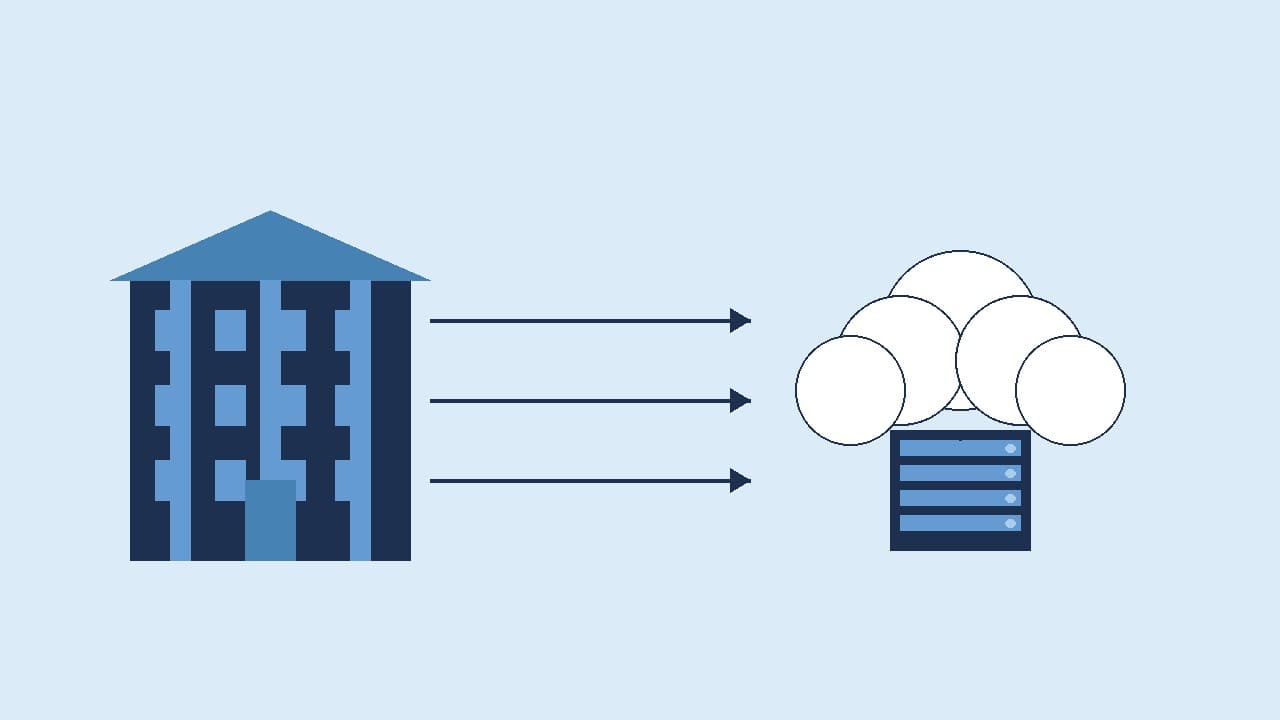
From Exam Hall to Cloud: How India's Universities Are Modernising Their Examination Infrastructure
India operates the world's largest higher education system by institutional count. Moving its examination infrastructure from physical halls to digital systems is one of the largest operational transformations in global education.

NAAC Binary Accreditation's 10 Key Attributes: A Digital Evaluation Evidence Map
NAAC's February 2025 binary framework reorganised evaluation around 10 key attributes. Here is how digital evaluation evidence maps to each attribute, and where the evidence carries the most weight.

Why India's NEET Retest Stays Pen-and-Paper: What the Supreme Court's CBT Refusal Reveals
On June 1, 2026, the Supreme Court declined to convert the NEET-UG June 21 retest to a computer-based format. The decision exposes the gap between India's digitization ambitions and its exam infrastructure reality.

CBSE Names New Leadership After 40,000 OSM Re-Evaluation Requests: What It Means
After 40,000 Class 12 students filed re-evaluation requests following the 2026 OSM controversy, CBSE has new leadership and a Cabinet-level inquiry — here is what the institutional reset signals for digital evaluation across India.

India's 2026 Broken Exam Calendar: A University Admissions Office Planning Guide
NEET retest on June 21 pushes MCC counseling to August, CBSE OSM revaluation results are due in July, and CUET-UG faced emergency rescheduling — university admissions offices need a revised playbook for the 2026 season.
IAF Helicopters and Phone Blackouts: What NEET's Extreme Security Reveals About Exam Integrity
India deployed Mi-17 helicopters and imposed a total communication blackout on paper setters to secure the June 21 NEET retest. The scale reveals a precise lesson about why digital evaluator anonymity does the same job without the army.
CBSE Drops OnMark Mid-Cycle: The Vendor Exit Risk Every University Must Plan For
CBSE terminated Coempt Eduteck's OnMark platform during the Class 12 revaluation process — a first in Indian board exam history. Here is what happens when a digital evaluation vendor is removed mid-cycle, and how universities can protect themselves.

NAAC, NBA, and NIRF Share 68% of Their Data: One System to Satisfy All Three
Research shows that 68% of the underlying data required by NAAC, NBA, and NIRF overlaps. Most institutions collect the same data three times in silos. A single digital examination system eliminates this duplication and improves scores across all three frameworks simultaneously.

UGC's June 30 NAD-ABC Deadline: Every University Must Act Now
The UGC has ordered all higher education institutions to upload 2025 examination-year academic records to NAD-ABC by June 30, 2026. Institutions still running paper-based evaluation face a difficult three weeks. Here is what is required and how to comply.
CBSE's OSM Data Sprint: When a Board Had to Reclaim Its Own Exam Records
How CBSE migrated Class 12 answer-sheet data from a private vendor to its own servers — and what the IIT Kanpur red-team, blue-team security sprint reveals about data custody in digital evaluation.

NEET 2026's Human Firewall: Inside the Paper Setter Lockdown Before June 21
NTA has confined paper setters, moderators, and translators at an undisclosed location without phones or internet until the June 21 re-exam. The protocol reveals how much human effort physical exam security requires — and why it still cannot guarantee a leak-proof paper.

The Second-Wave Advantage: Why Delayed OSM Adoption Is Now a Strategic Asset
Institutions that held back on onscreen marking while CBSE struggled through its first full cycle now hold a complete failure map — and can implement digital evaluation right the first time.

The Controller of Examinations' 30-Day Digital Readiness Sprint
CBSE's 2026 OSM crisis was a preparation failure as much as a technology failure. This week-by-week sprint gives Controllers of Examinations a structured framework for launching digital evaluation without the same breakdowns.

India's DPI@2047 Blueprint and the Examination Infrastructure Gap
NITI Aayog's April 2026 roadmap identifies skill credentialing as central to India's next digital transformation. Universities that digitize evaluation records today are building the nodes of a national credential infrastructure.

India's Exam Fraud Prosecution Desert: 148 Cases, Zero Federal Convictions
Twenty years of fraud data reveal 220 documented incidents across 21 states and only one conviction — a systemic evidentiary failure that tamper-proof digital evaluation is positioned to close.

Three Exam Crises at Once: How India's 2026 Results Season Is Collapsing the Academic Calendar
NEET cancelled and rescheduled to June 21, CBSE OSM controversy triggering revaluation delays, CUET-UG glitch forcing a re-exam — all simultaneously. The downstream effect on university admissions is severe and, in large part, preventable.

NAAC Binary Portal Is Still Offline: Action Guide for Colleges With Expiring Grades
The new NAAC binary accreditation portal was promised for April–May 2025. It is still not live as of June 2026. Here is a practical guide for institutions whose RAF grades expire this year or next.
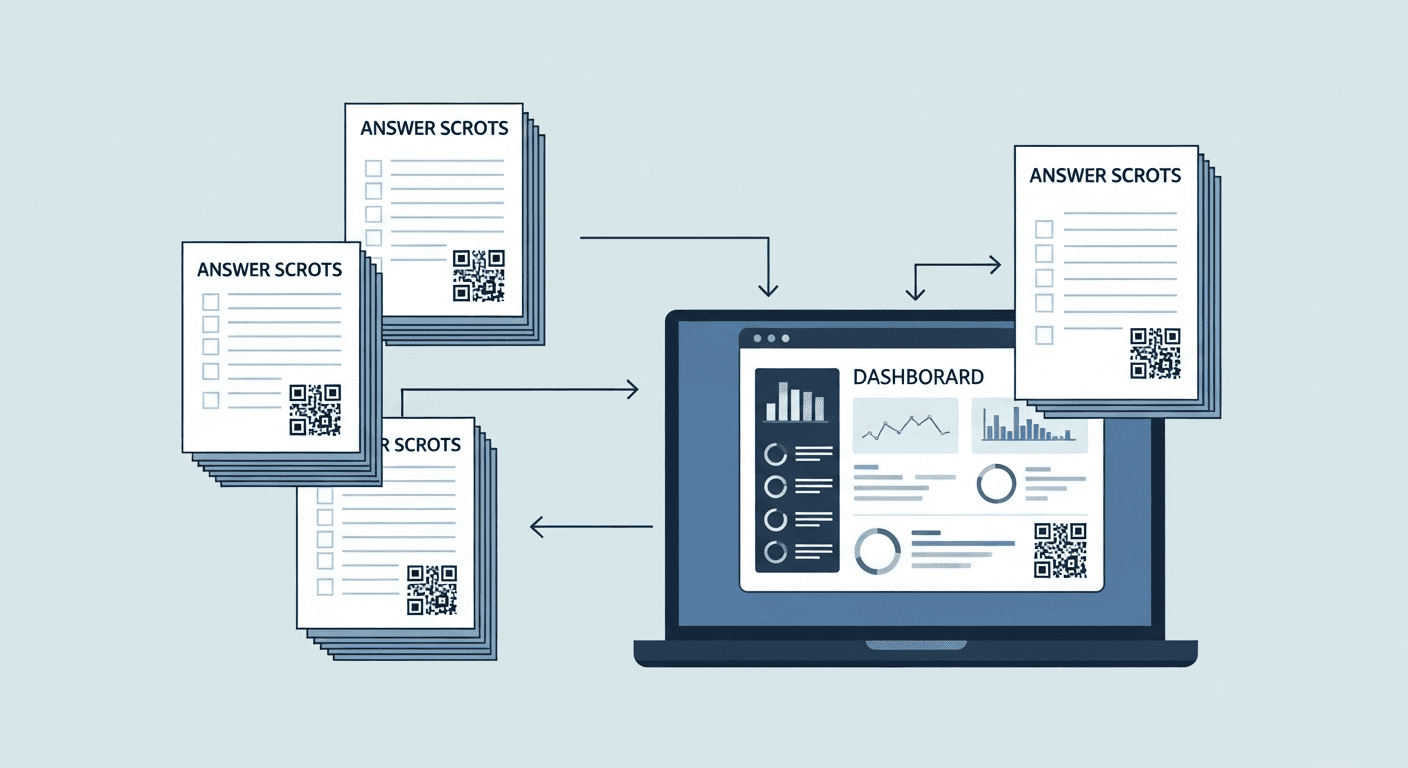
How PSEB Punjab Designed an On-Screen Marking Rollout That State Boards Can Actually Copy
Punjab piloted 23,000 answer scripts before going live, built QR codes into every page of the answer sheet, and chose a one-subject phased expansion — a deliberate implementation model built by watching what went wrong elsewhere.

Kerala's Internal Assessment Overhaul: The Digital Infrastructure Colleges Need
Kerala's Higher Education Reform Commission has proposed raising internal assessment weightage to 40%. For affiliated colleges, this is not just a grading change — it is a data management challenge.
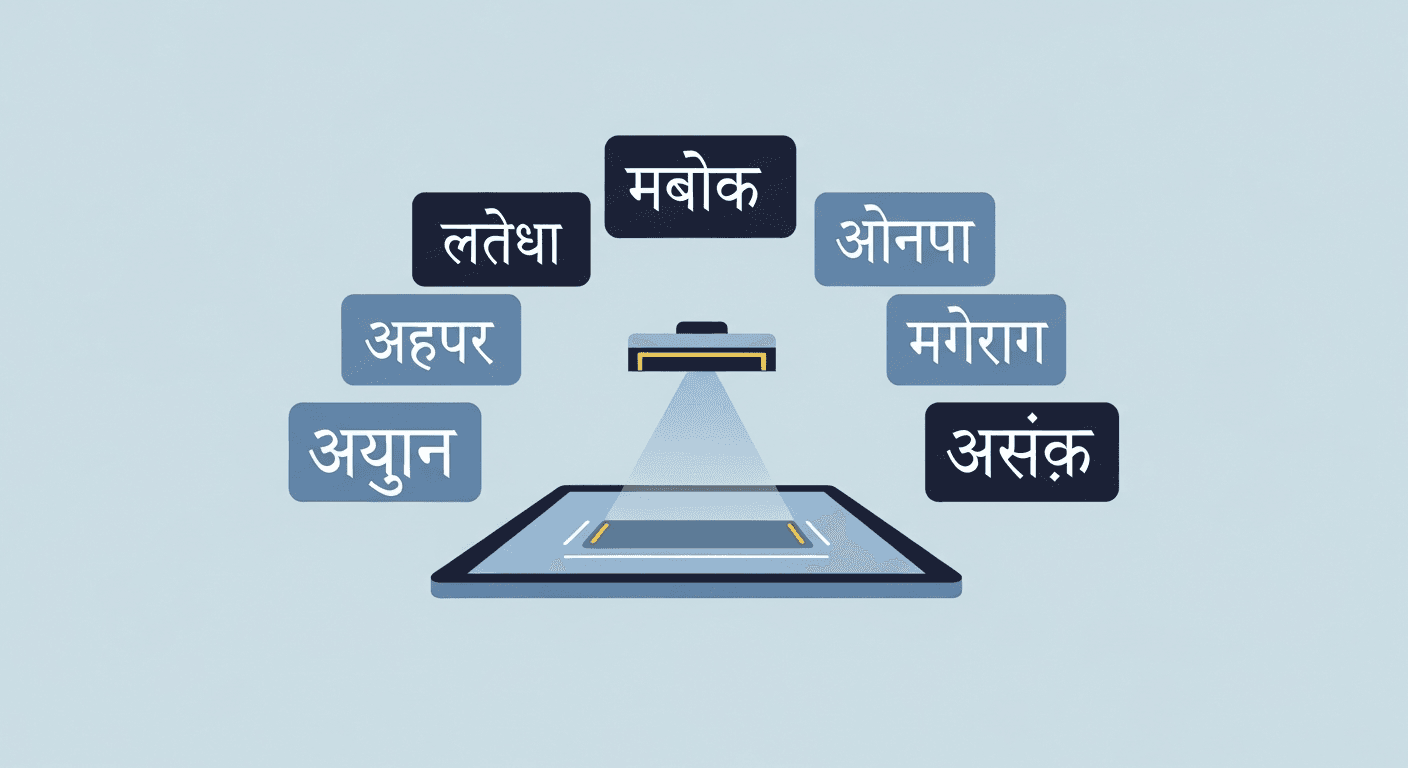
India's Multi-Script Examination Challenge: What Digital Platforms Must Handle
With NEP mandating three languages and UGC allowing regional language answers, digital evaluation platforms must support Devanagari, Tamil, Telugu, and 12 more scripts — here is what that requires.
After NEET 2026: How Zero-Trust Architecture Can Secure India's Exams
The NEET 2026 paper leak exposed a systemic vulnerability — too much human access at every stage. NTA's zero-trust reform plan points to where examination security is headed.
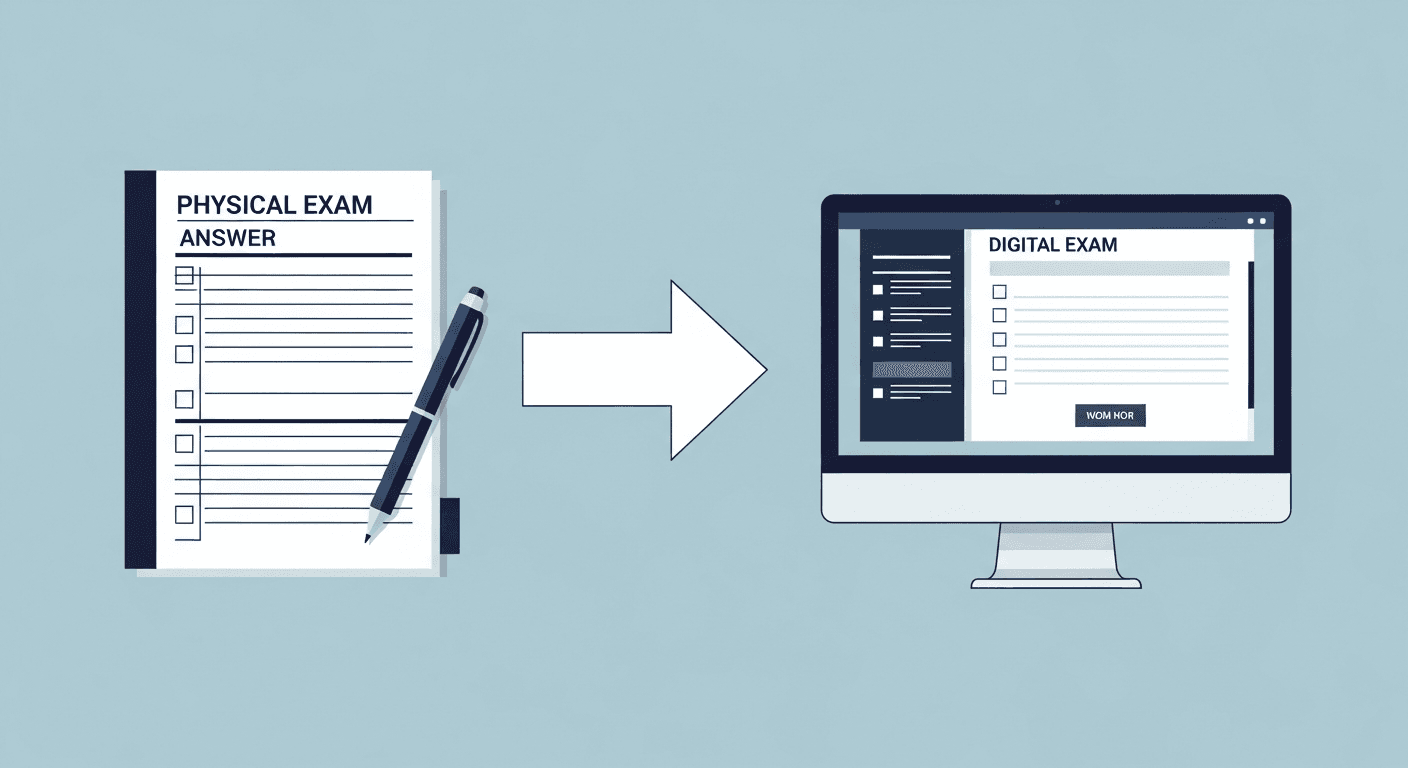
From Paper to Pixels: NEET's Last Pen-Paper Exam and India's CBT Transition Week
With NEET-UG 2026 retest on June 21 marking the end of pen-paper high-stakes exams and UGC NET running fully in CBT mode from June 22, India's two largest examination formats are crossing a historical threshold in the same seven days.
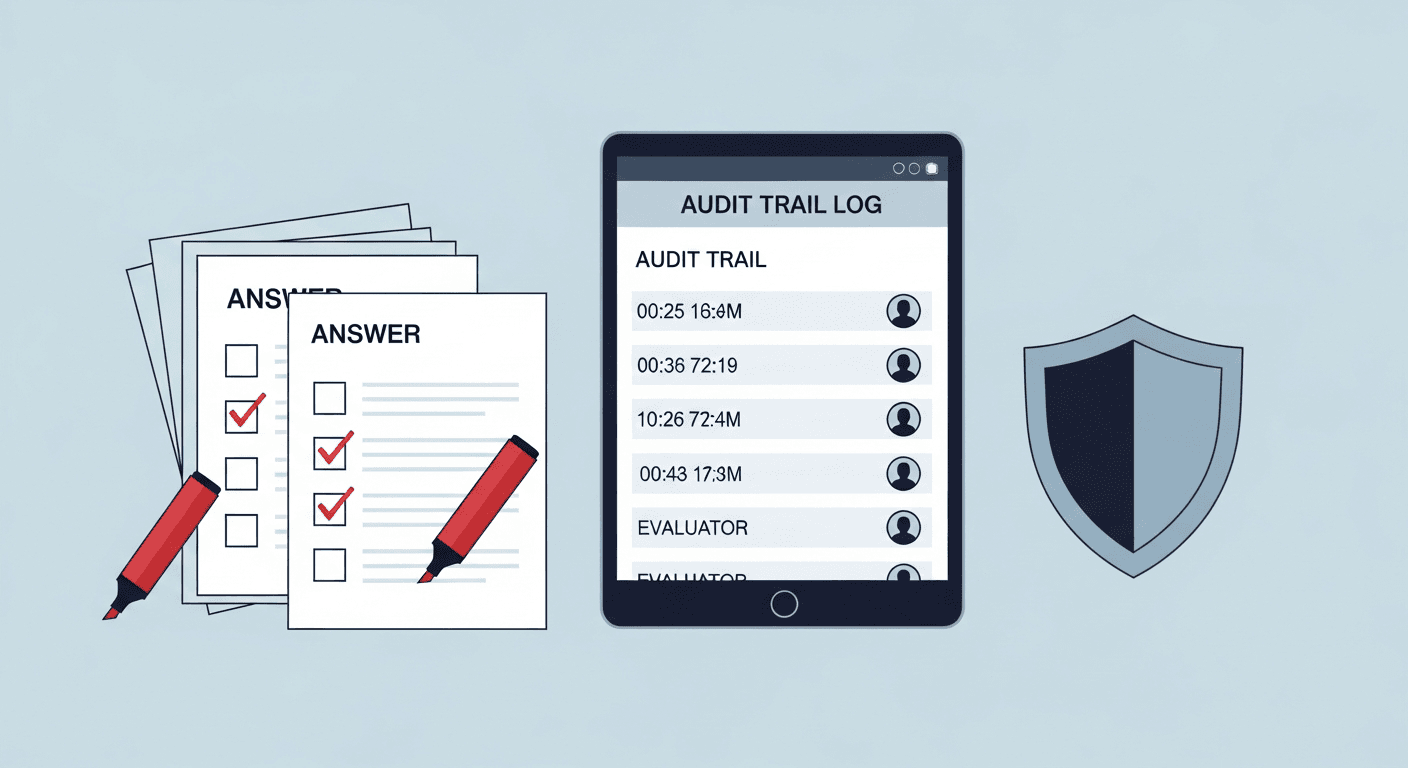
Karnataka's Evaluation Error Reckoning: Why the Numbers Demand a Digital Audit Trail
From 2,777 wrong marks in PU exams to 72,000 SSLC students seeking scanned scripts, Karnataka's manual evaluation system has left a documented trail of errors — and a clear case for digital accountability infrastructure.

Mangalore University Launches Digital Evaluation for PG Exams: Inside Karnataka's Quiet Modernisation
Mangalore University will conduct digital valuation for all postgraduate examinations from June 2026, making it one of the first traditional state universities in Karnataka to shift answer-sheet evaluation fully online.

ISC Revaluation 2026: Why CISCE's Digital Approach Worked When CBSE's Didn't
ISC Class 12 revaluation results were declared on June 12, 2026, with DigiLocker access and improvement exams running from June 15 — a quiet contrast to the CBSE OSM crisis that consumed national attention.
UGC Act 2026: How New Assessment Rules Make Digital Evaluation Infrastructure Mandatory
The UGC Act 2026 mandates continuous assessment, Academic Bank of Credits integration, and regular institutional data submissions — making digital evaluation infrastructure a compliance requirement, not a modernisation option.
UGC-NET June 2026 Shifts to CBT: What India's Faculty Eligibility Exam Got Right
Two years after the June 2024 UGC-NET cancellation due to a paper leak, the June 2026 session launches as a fully digital CBT across 87 subjects — here is what changed and why it matters for examination security.

APAAR ID Is Now Mandatory: What Every University Examinations Office Must Prepare For
India's APAAR ID is now required for CBSE board exams, CUET, and NEET 2026. For universities, it creates a new digital record obligation that paper-based evaluation systems cannot fulfil.

Bharat EduAI Stack: What India's Official AI Architecture Means for Examination Assessment
India's Ministry of Education launched the Bharat EduAI Stack in February 2026 — an open AI infrastructure for education. Here's what it signals for university examination and assessment systems.
The NEEV Portal: How Haryana Is Making NEP Compliance Measurable in Real Time
Haryana's NEEV portal monitors NEP 2020 implementation at every university using live data. It's the first state-level system of its kind — and it signals where examination data accountability is heading.

How Medical Colleges Can Turn India's NEET 2026 Crisis Into an Accreditation Advantage
With NAAC and NBA assessors paying closer attention to examination governance after the NEET paper leak, medical colleges that have adopted digital evaluation have a data-backed opportunity to demonstrate institutional quality.

India Blocks Telegram for 22 Lakh Students: What National Exam Security Now Demands
India's June 16 decision to block Telegram nationally ahead of the NEET retest reveals how far governments must go to secure physical exams — and why digital evaluation changes the equation entirely.

NTA's Anti-Fraud Portal for NEET 2026: A New Model for Crowdsourced Exam Integrity
India's exam regulator launched a public complaint portal five days before the NEET retest, inviting 22 lakh candidates and the public to report fraud. What it achieves, what it cannot, and what the design teaches us.

When 70 Lakh Students Block Justice for 1.27 Lakh: Delhi HC's CBSE OSM Ruling
On June 12, Delhi HC refused to reopen CBSE's OSM revaluation portal — not because student grievances were unfounded, but because reopening would cascade into admission delays for 70 lakh others.

The CIA Safety Net: Why Digital Internal Assessment Records Matter When Boards Fail
The CBSE OSM crisis left 1.27 lakh students without fast remedies for disputed marks. Universities that maintain timestamped, verifiable digital CIA records can offer students documented alternative evidence — and gain a governance edge for NAAC, NIRF, and NBA.

₹10 Lakh for a Fake Paper: The NEET 2026 Re-Exam Scam Economy Explained
Days before the June 21 NEET re-exam, fraud networks charged students up to ₹10 lakh for fake leaked papers. This scam economy is not a technology failure — it is the predictable output of paper-based national exam architecture.
Beyond the OMR Sheet: Why Subjective Exam Digitization Is India's Next Education Technology Challenge
India has largely solved objective computer-based testing. The harder problem — digitizing subjective answer script evaluation at scale across 50,000 colleges — is only beginning, and CBSE's 2026 OSM experience shows exactly what it takes.
10 to 70 on the Same Paper: MBBS Evaluator Inconsistency and India's Medical Education Accountability Gap
When four evaluators award marks ranging from 10 to 70 on the same MBBS answer paper, averaging conceals a systemic problem. The Karnataka High Court's 2026 ruling on RGUHS reveals why medical education evaluation urgently needs structural reform.

When Marks Disappear: RTMNU's 2026 Marksheet Crisis and the Hidden Cost of Manual Tabulation
Rashtrasant Tukadoji Maharaj Nagpur University's 2026 result season exposed systemic failures in manual exam tabulation — 600 delayed results, thousands of marksheet errors, and entire B.Tech classes marked as failed across 530 affiliated colleges.
Parliament's June 2026 NTA Report: Nationwide Vendor Blacklist and a Rs 448 Crore Reform Mandate
The parliamentary standing committee on education presented a landmark report on June 16, 2026 — calling for a nationwide blacklist of tainted exam vendors, a time-bound HLCE implementation roadmap, and utilisation of NTA's Rs 448 crore surplus for examination infrastructure.

India Ranks 4th Globally in QS World University Rankings 2027: What Drove the Surge
With 52 institutions in the QS World Rankings 2027, India is now 4th globally in representation — and IIT Delhi has matched its best-ever rank at 118. The data reveals which parameters drove improvement and what mid-tier institutions can learn.

UPSC Prelims 2026: When 82 Questions 'Match' Coaching Material — and What Digital Audit Trails Would Prove
The NSUI claimed 82 of 100 UPSC CSE Prelims 2026 questions matched a Delhi coaching centre's notes. The government denied it. The dispute itself reveals a systemic gap in examination accountability infrastructure.
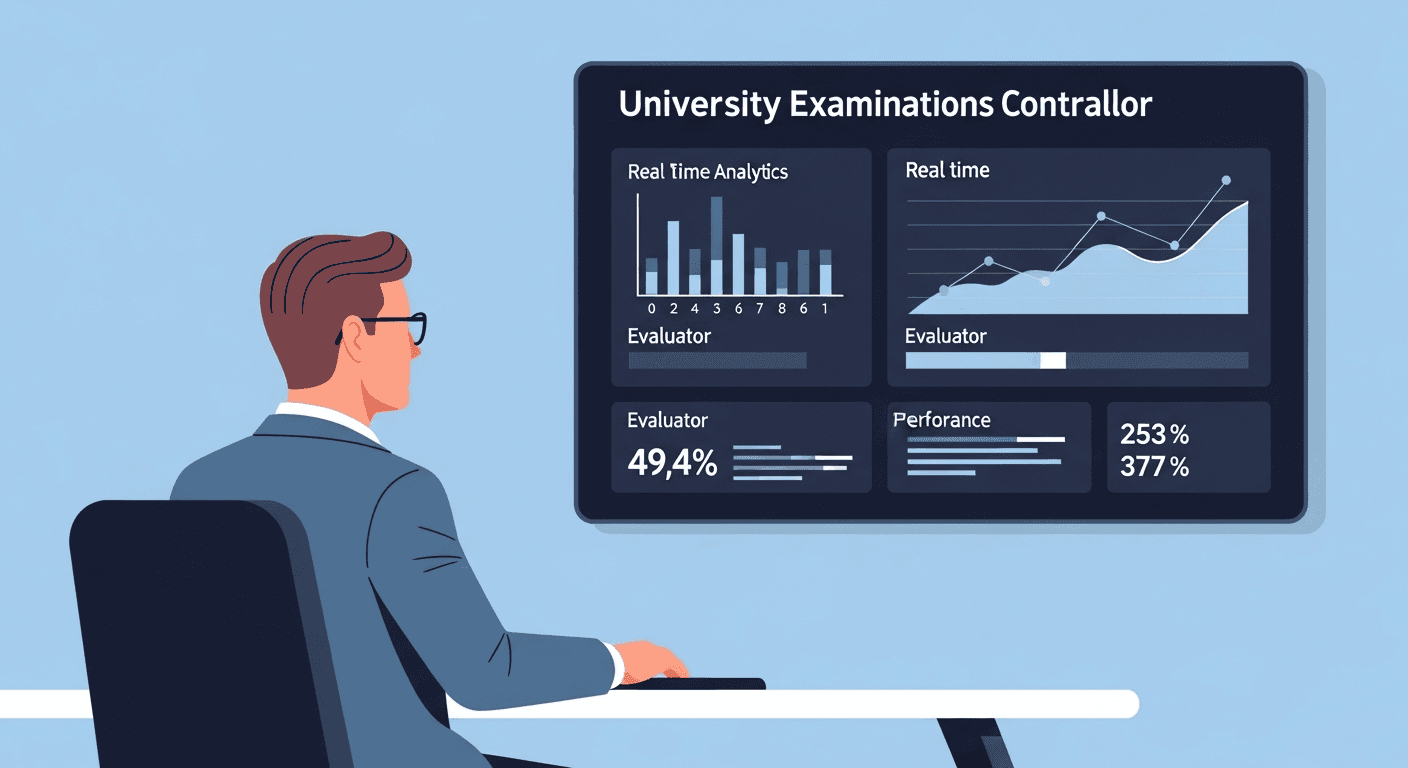
Beyond Records: How Digital Evaluation Gives Controllers Real-Time Institutional Intelligence
Manual evaluation produces results. Digital evaluation produces results and a continuous stream of operational data — data that serves as audit-ready evidence for NAAC, NIRF, and NBA while improving evaluation quality in the current cycle.

Vetted But Not Verified: How a Blacklisted Exam Firm Got India's Biggest Contract
The story of how COEMPT Eduteck secured India's largest exam evaluation contract despite a documented history of failures — and what a robust vendor due diligence framework looks like for universities.
NEET Goes Computer-Based in 2027: A Readiness Guide for Exam Centers and Medical Colleges
With NEET UG shifting to computer-based testing from 2027, every NTA-authorised exam center and medical college used as a venue has 12 months to prepare infrastructure, staff, and security systems for India's largest competitive entrance examination.
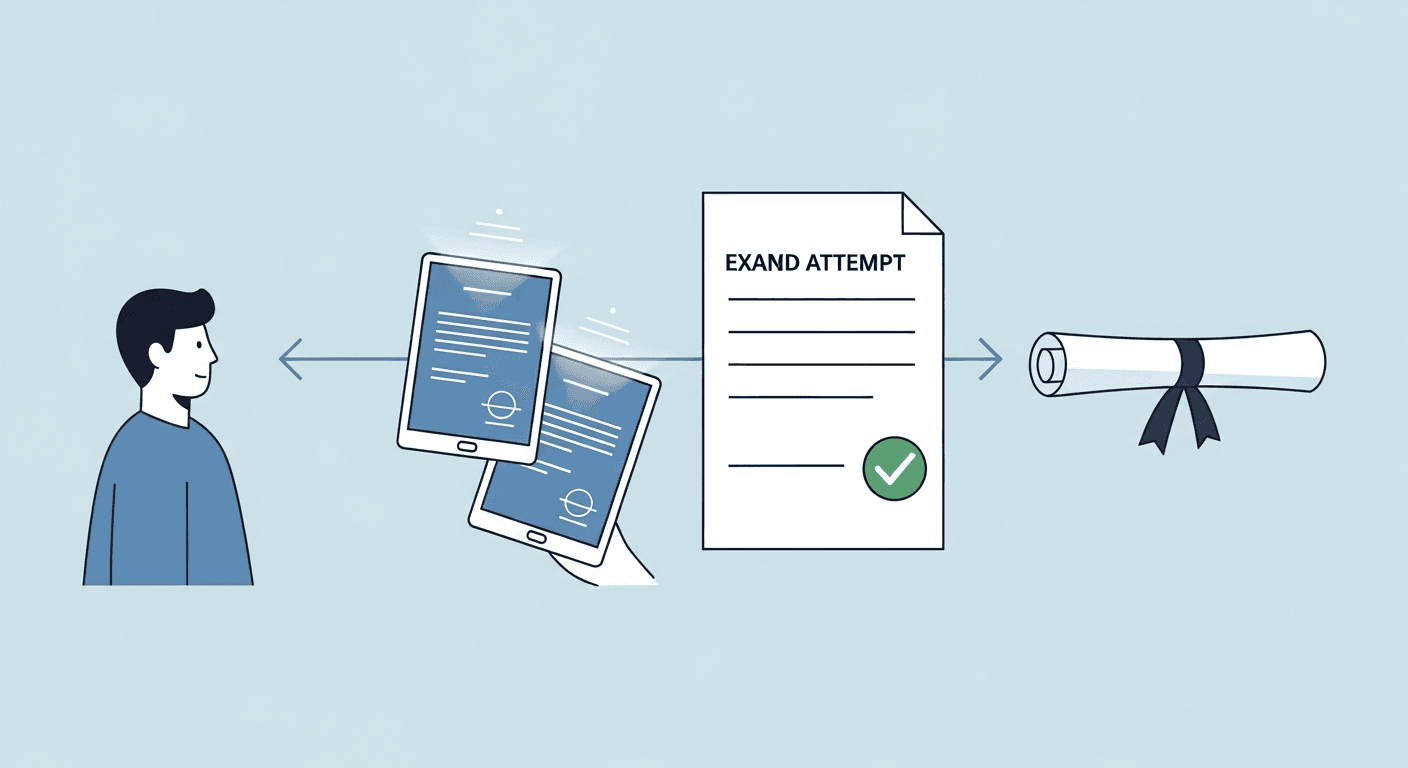
CBSE Class 10 Phase 2 Result 2026: What 6.7 Lakh Students Reveal About Digital Evaluation at Scale
CBSE declared its first-ever Class 10 Phase 2 results on June 22, turning NEP 2020's multi-attempt aspiration into operational reality — and revealing how digital evaluation infrastructure makes this possible.

DigiLocker as Examination Infrastructure: How India Built a Unified Digital Record Platform Across 200+ Boards
With 3.5 billion documents stored and integrations across CBSE, NTA, and dozens of state boards, DigiLocker has become the critical last mile of India's digital evaluation stack — and a key evidence layer for NAAC accreditation.
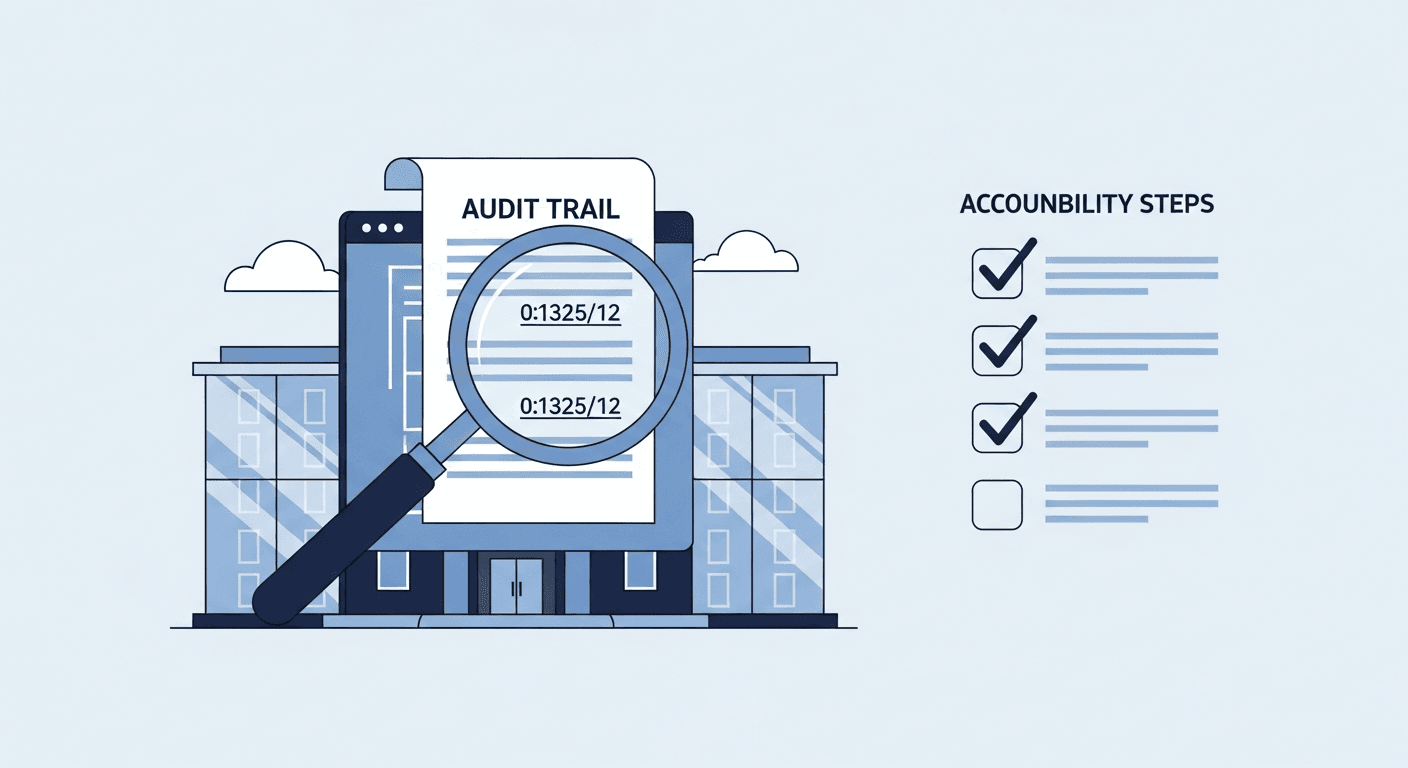
India's Examination Accountability Gap: The 2026 Crisis and the Case for Independent Audit Infrastructure
The CBSE OSM controversy and NEET 2026 cancellation share a root cause — no independent body audits India's examination delivery. Digital evaluation platforms can embed the audit trails that governance has not mandated.

When a Student Walked Into Parliament: CBSE OSM Faces Reckoning
On June 2, 2026, 17-year-old Sarthak Sidhant presented OSM procurement evidence to India's Parliamentary Standing Committee, exposing governance gaps behind CBSE's digital evaluation crisis.

NAAC Grade Expires in 2027? Build Your Digital Evidence Portfolio Now
Thousands of institutions with RAF grades expiring in 2026-27 cannot apply under the old NAAC system. The Binary portal delay is not downtime — it is your window to build the three-year evidence trail that will define your accreditation outcome.

Re-NEET 2026 Conducted: 23 Lakh Students and What Comes Next
India held the NEET UG 2026 re-examination on June 21 for 23 lakh candidates in pen-and-paper mode. Here is what happened, what the conduct reveals, and what students and medical colleges should prepare for before August.
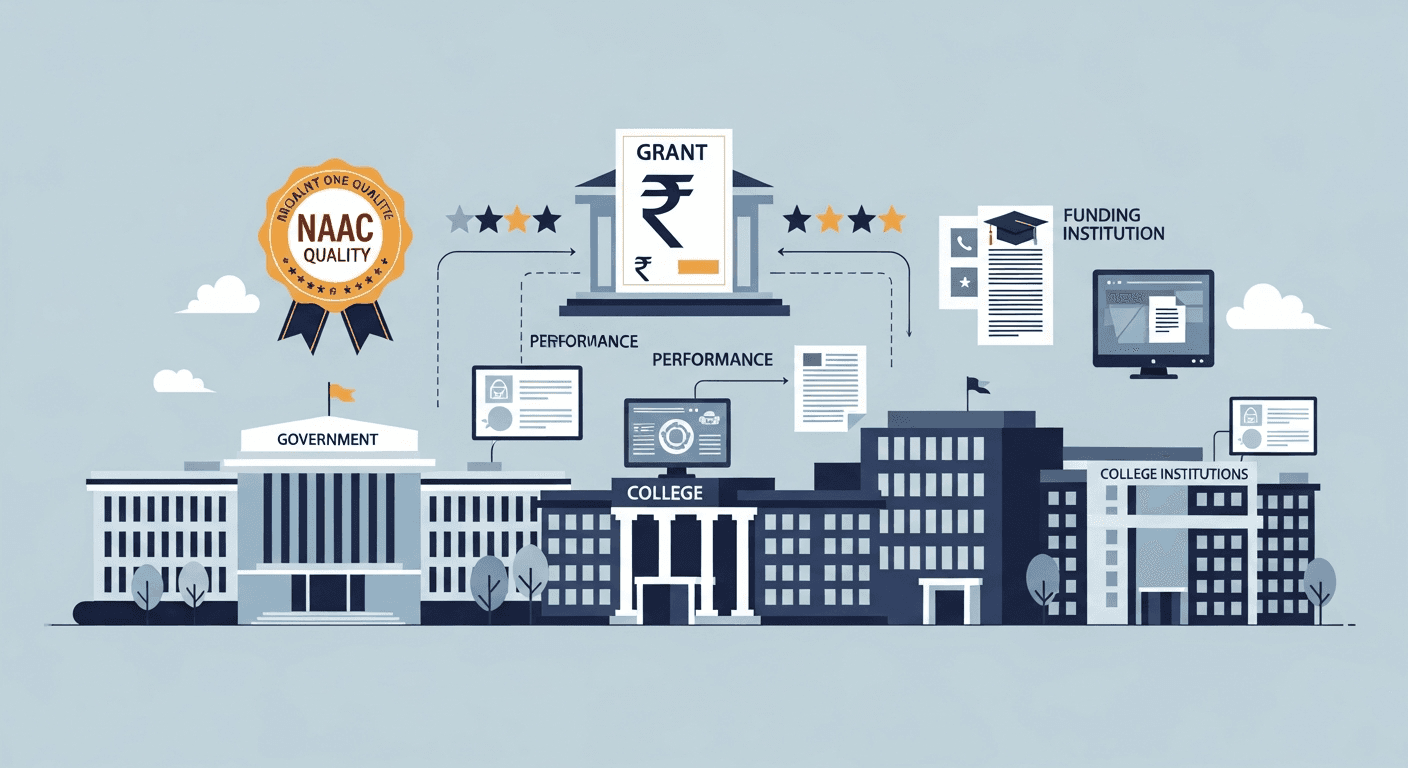
Gujarat's ₹50 Crore NAAC-Linked Grants Show Accreditation Has Financial Teeth
The Gujarat government has released ₹2 crore each to 25 NAAC-rated colleges under a ₹50 crore state budget allocation. Accreditation is no longer just a quality signal — it is a direct lever for state funding.

Mangalore University Launches Digital Evaluation for PG Exams in June 2026
Mangalore University has rolled out onscreen digital valuation for postgraduate courses, using scanned answer scripts and mobile OTP-authenticated evaluator access. The launch offers a replicable model for affiliating universities weighing a similar transition.
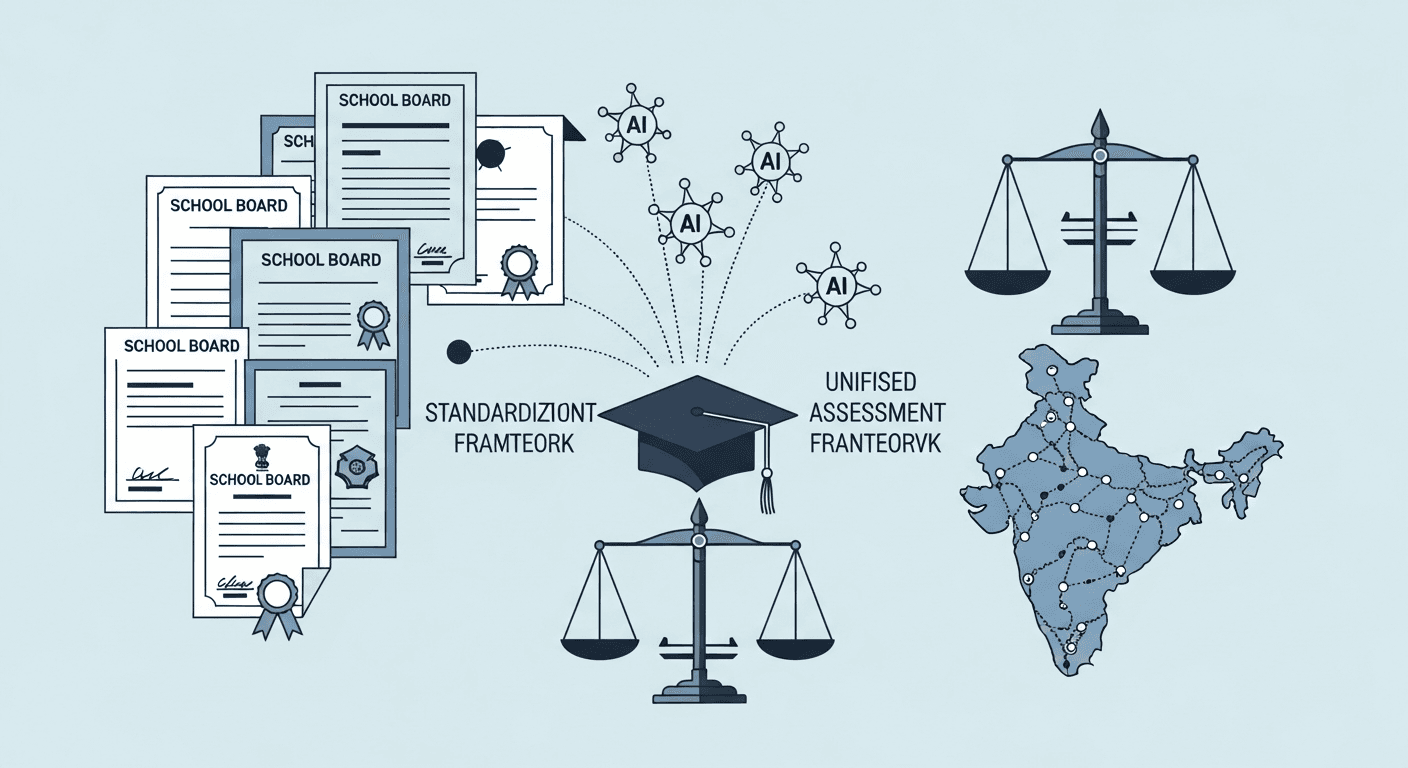
PARAKH's Expert Committee to Standardize India's 60+ State Board Exams
NCERT's PARAKH has constituted an expert committee to harmonize assessment standards across India's state and union territory boards, incorporating AI-based tools and international benchmarks. Here is what universities receiving results from multiple boards need to understand.

CUET UG 2026 Results Declared: What 15 Lakh Students and 240 Universities Mean for India's Digital Admissions Shift
The CUET UG 2026 results were declared on June 23 for 15.68 lakh candidates across 240+ universities. Here is what participating universities must do now, and why centralized digital admissions data is a growing accreditation asset.

NEET 2026 Paper Leak Fallout: How India's Medical Colleges Are Managing a 4-Month Academic Calendar Shock
The NEET UG 2026 paper leak and June 21 retest have pushed MBBS admissions to August-September, potentially starting the new academic session 4 months late. Here is what 700+ medical colleges are facing and what structural changes are needed.

UPSC Chairman Says Future Exams Must Test What AI Cannot: The Case for Rigorous Subjective Evaluation
Dr. Ajay Kumar, UPSC Chairman, says future examinations must emphasise skills that AI cannot replicate. This shifts the burden squarely onto robust subjective evaluation infrastructure — exactly what India's universities are still struggling to build.
Equal Marks for All: How Digital Evaluation Serves India's Students with Disabilities
India has 2.68 crore persons with disabilities. Digital evaluation platforms offer anonymized grading, scribe audit trails, and configurable accommodations that paper-based systems simply cannot match — here is why this matters for RPwD Act compliance.
Examination Boards as Data Fiduciaries: DPDP Act Obligations Universities Must Know
The Digital Personal Data Protection Act 2023 classifies exam boards and universities as data fiduciaries with explicit compliance obligations. The CBSE OSM crisis made the consequences of non-compliance visible — here is what every examination office needs to do.

Beyond Marks: How Digital Evaluation Data Helps Universities Build Better Exam Papers
Every digital evaluation system generates question-level data that can reveal flawed, ambiguous, or poorly calibrated questions. Most Indian universities never use it. Here is why item analysis is the most underused tool in university examination management.

Beyond Paper Leaks: How AI Question Banks Address India's Exam Quality Problem
NEET 2026 produced two distinct failures — a paper leak on May 3 and answer key errors on June 21. AI-powered question banks are the technology most directly relevant to preventing both, and they are now a serious investment priority for exam bodies and universities alike.

1.6 Lakh Students, One Supreme Court Notice: Inside India's CBSE Re-evaluation Delay
OSM's transparency sparked 1.6 lakh re-evaluation applications after CBSE Class 12 results. The Supreme Court had to step in as delays left students unable to confirm college admissions.

Re-NEET 2026 Answer Key: What a Dropped Question Reveals About Exam Quality
The June 21 re-examination's provisional answer key contains a question with two correct answers and a dropped Vernier Calipers question. Here is what these errors reveal about systemic quality control gaps.

Grace Marks Are Not the Answer: What India's OSM Crisis Really Demands
Students demanding 20-25 blanket grace marks after CBSE's OSM failures reveals a deeper truth — emergency remediation cannot substitute for reliable digital evaluation infrastructure built from the ground up.

How Digital Evaluation Cuts Revaluation Rates: The ROI Indian Universities Are Missing
Indian universities spend crores annually processing revaluation applications. Digital evaluation with double valuation, inter-rater reliability tracking, and real-time moderation can cut revaluation rates by 40 to 60 percent — and the data trail it generates satisfies NAAC and NIRF requirements simultaneously.

UGC NET 2026 Jalandhar Glitch: A Warning for India's NEET 2027 CBT Transition
When a TCS exam centre in Jalandhar failed during UGC NET 2026, it exposed infrastructure gaps that must be closed before NEET moves to computer-based testing across 20 shifts in 2027.

CO-PO Attainment Mapping: How Digital Evaluation Data Powers NAAC and NBA
Calculating Course Outcome and Program Outcome attainment is one of the most data-intensive requirements in NAAC and NBA accreditation. Digital evaluation platforms generate the granular question-wise data that makes this calculation accurate, auditable, and scalable.

Maharashtra TET 2026 Paper Leak: What Teacher Recruitment Exams Must Change
On the eve of Maharashtra's Teacher Eligibility Test 2026, police arrested three members of a Bihar-Haryana syndicate selling leaked papers for Rs 1.5 crore, postponing the exam for 6 lakh candidates. Here is what went wrong and what digital delivery must replace.

Re-NEET 2026: The 78-Day Crisis That Fractured Medical Admissions
From the May 3 paper leak to a June 21 retest and answer key challenge window closing June 28, 22 lakh medical aspirants now await results expected July 15. The cascading timeline reveals the structural cost of running a national exam on paper.

NAAC 2027-28 Cycle: Why Starting Digital Evaluation Now Builds the Strongest Accreditation Case
Institutions with NAAC grades expiring in 2027-28 have a two-year window to build a verifiable, data-backed evidence portfolio — and digital evaluation is the fastest path to generating that evidence at scale.

NEET 2026 Paper Leak: CBI Chargesheet Due as Results and Counselling Converge in July
With CBI custody of key accused expiring on July 11 and NEET 2026 re-exam results expected mid-July, India enters the most consequential exam accountability window since the Public Examinations Act came into force.
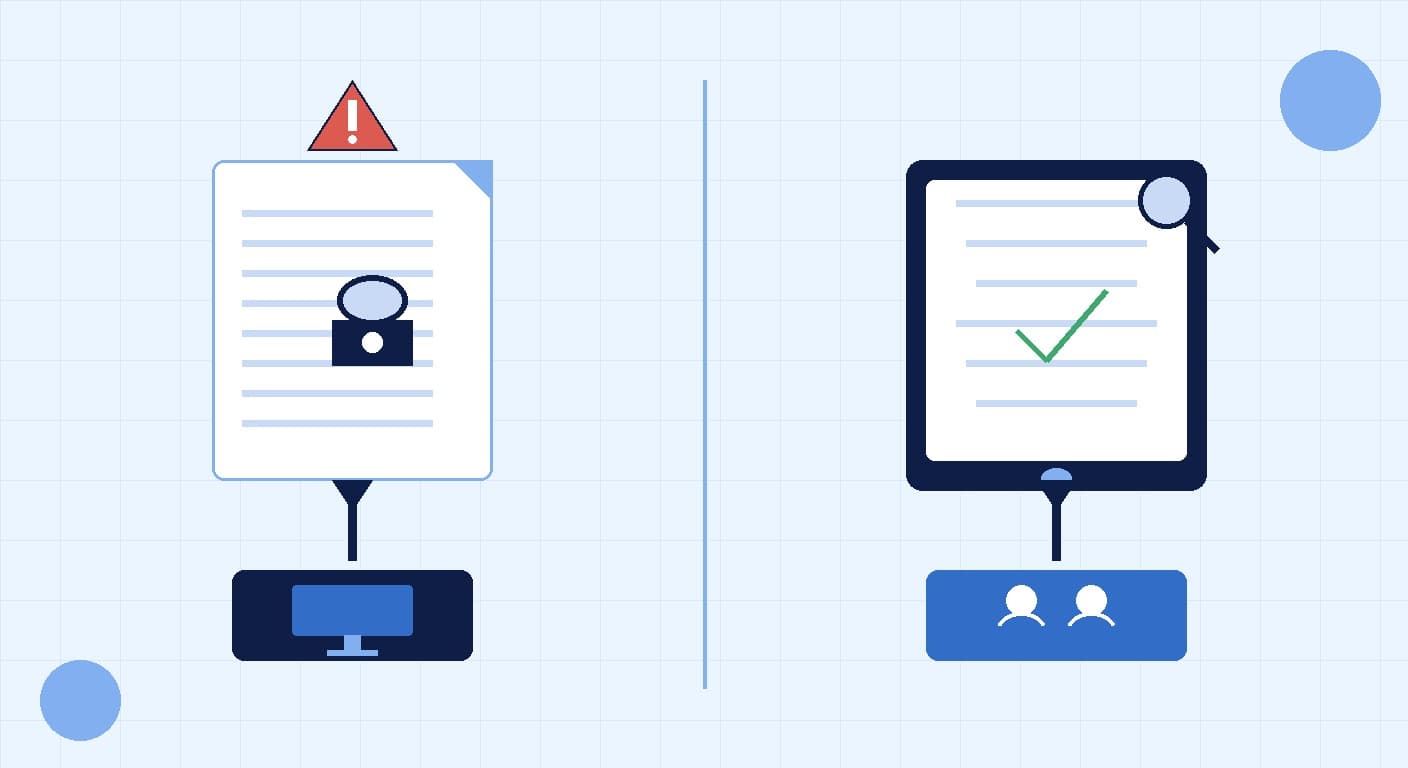
Two Exam Failures, Two Root Causes: Why India Needs Separate Fixes for Paper Leaks and Evaluation Errors
NEET 2026's paper leak and CBSE's OSM controversy represent distinct failure modes in India's examination system — each requiring its own structural fix, not a single catch-all reform.

CBSE Delays Supplementary Exam to July 28: 1.63 Lakh Students Race Against Admission Deadlines
When CBSE shifted the Class 12 compartment exam from July 15 to July 28, 2026, it triggered a cascade that puts more than 1.63 lakh students at risk of missing college admissions — a downstream consequence of the OSM evaluation crisis.

70% Less Manual Work, Zero Complaints: What GITAM University's Exam Digitization Actually Achieved
A peer-reviewed study documents how GITAM University's Bengaluru campus eliminated post-exam complaints entirely and closed examination processes in under 15 minutes. Here is what the data shows and what other institutions can replicate.
How a 16-Year-Old in Dubai Exposed Security Gaps Across India's Three Biggest Exam Portals
In a single evening in June 2026, Rylen Anil found critical vulnerabilities in JEE Advanced, NEET, and CBSE OnMark portals and reported them responsibly. What this reveals about the state of India's examination infrastructure security.
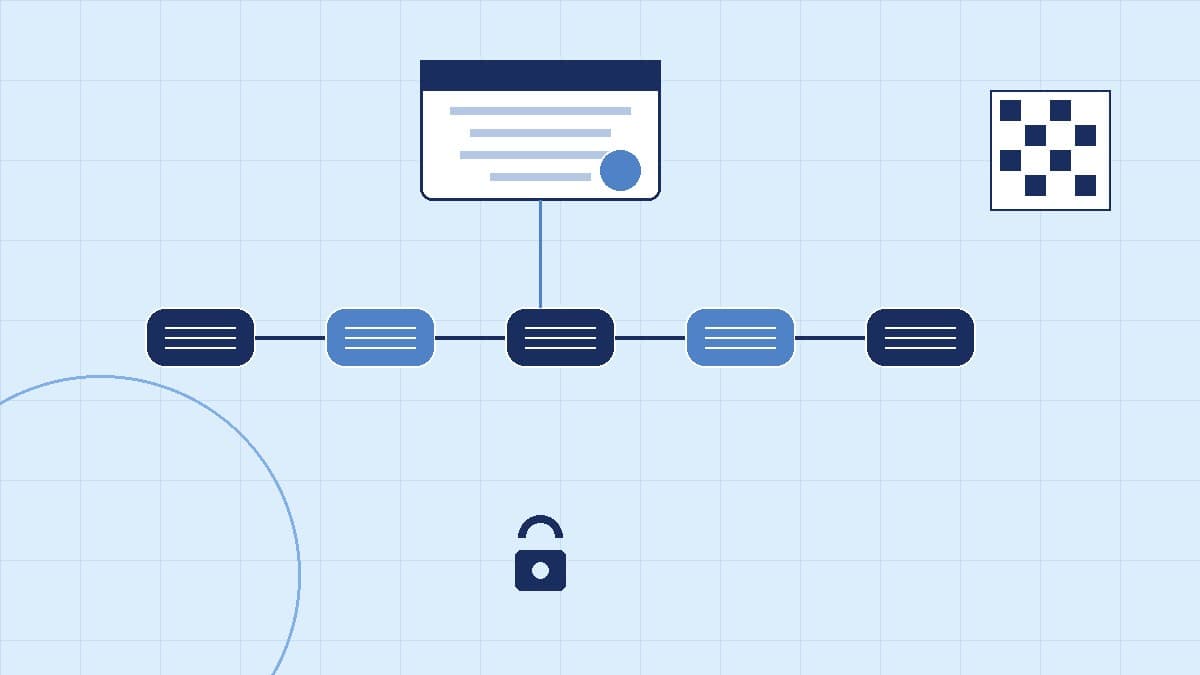
Beyond DigiLocker: How Blockchain Is Making Indian Exam Records Tamper-Proof
CBSE has issued blockchain-anchored academic documents since 2021. Odisha Board integrated blockchain with cloud storage in 2026. Here is why blockchain-backed credentials matter for NAAC accreditation, NIRF rankings, and international recognition.
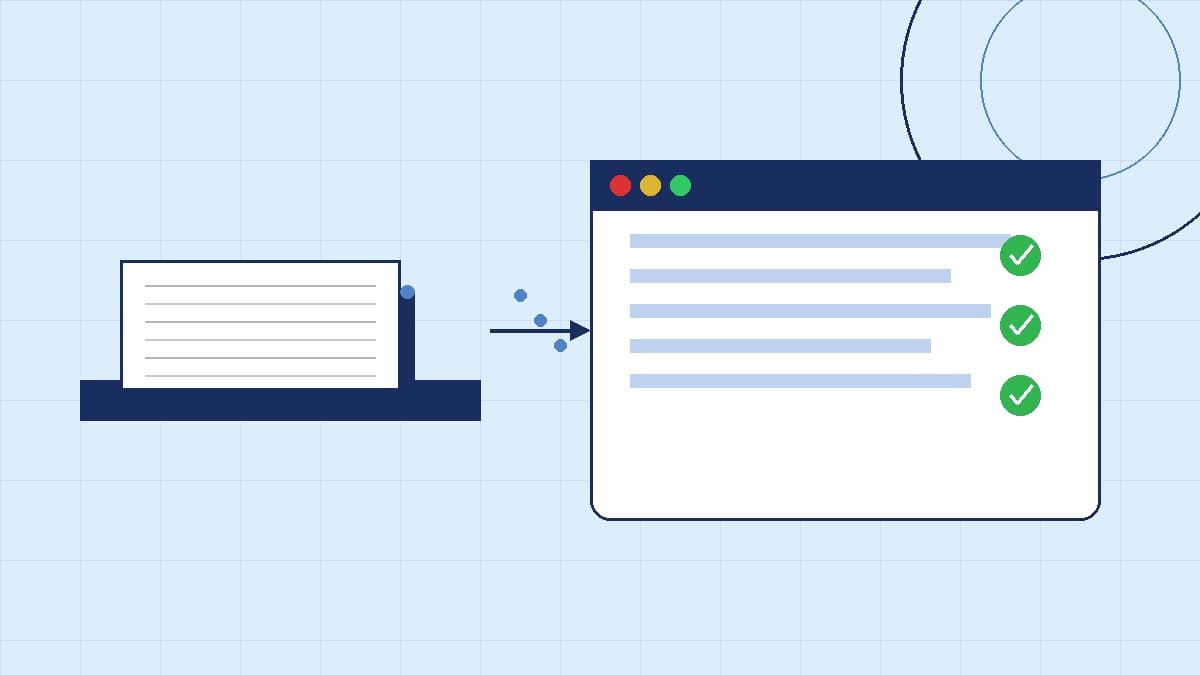
CBSE Compartment Exam July 15: What OSM Means for 1.63 Lakh Students
With 1,63,800 students sitting the CBSE Class 12 compartment exam on July 15 under the same OSM system that triggered national controversy in May, here is what has changed and what to expect from digital evaluation.
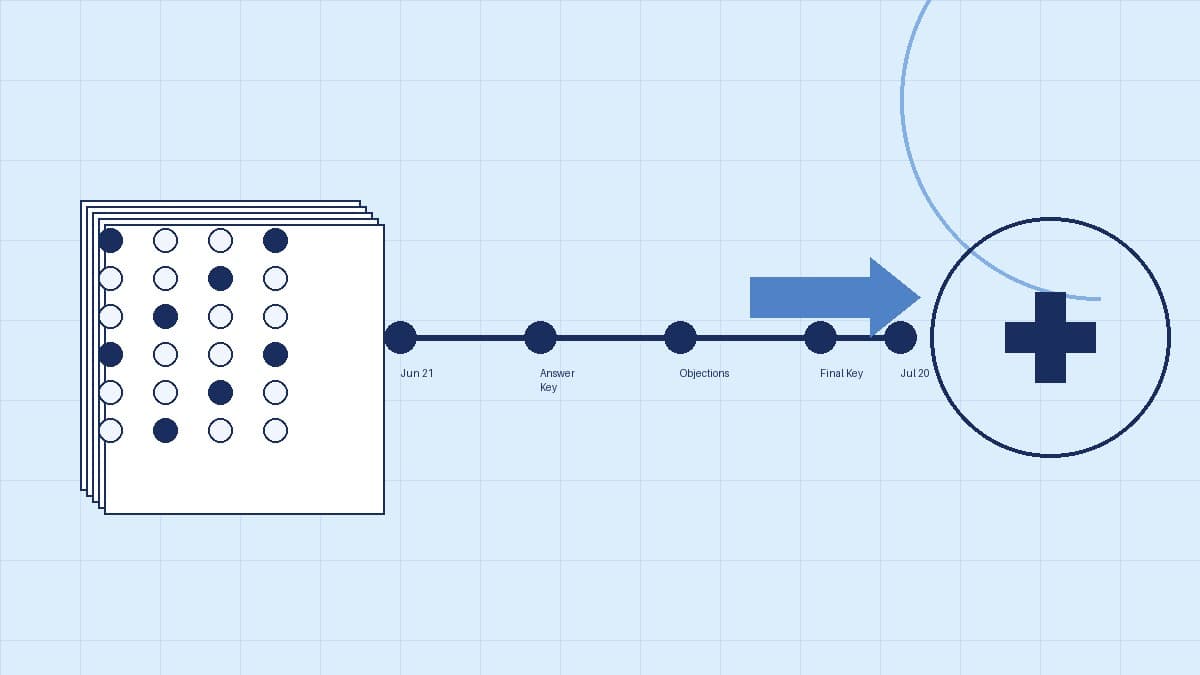
Re-NEET 2026: How 20 Lakh OMR Sheets Were Evaluated in 29 Days
The re-NEET examination on June 21 involved over 20 lakh candidates across 5,440 centres. With results expected July 20 and MCC counselling opening July 21, the 29-day pipeline reveals what large-scale digital evaluation can deliver under pressure.
Delhi HC Refuses to Reopen CBSE Revaluation Portal: What Digital Finality Means
The Delhi High Court declined to direct CBSE to reopen its Class 12 OSM re-evaluation portal. What this ruling means for students, institutions, and the design of grievance systems in the digital evaluation era.
From Exam Hall to Cloud: Building a Digital-First Examination Campus
With 82% of Indian institutions now on hybrid learning models and accreditation bodies shifting to AI-driven document verification, the window to transform examination infrastructure is open now — and closing fast.
India's NEET vs China's Gaokao: Paper Leak Prevention Lessons India Must Learn
China's Gaokao handles 1.3 crore candidates annually with near-zero paper leaks. After back-to-back NEET controversies, India's examination system must study what the Gaokao gets right.

AP EAMCET 2026: Why the July 1 Results Depended on Board Evaluation, Not Just the Entrance Exam
Andhra Pradesh released AP EAMCET 2026 ranks for over 2.24 lakh engineering candidates on July 1 — nearly seven weeks after the exam closed. The bottleneck was not the entrance test but the Class 12 board evaluation data that determines 25% of every rank.
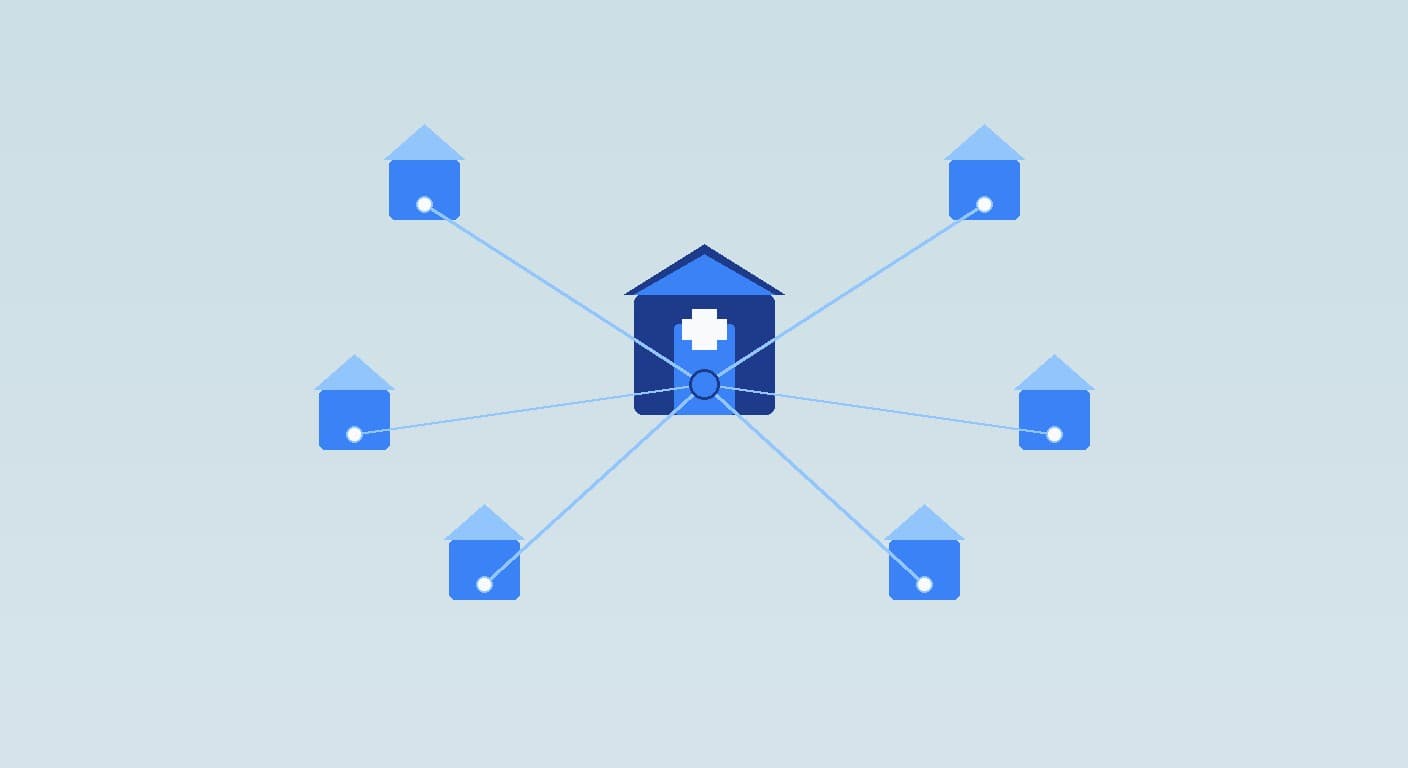
ESIC Plans India's Newest Medical University: The Examination Infrastructure Challenge
The Employees' State Insurance Corporation's proposal to consolidate 21 health institutions into a single deemed university will require building a complete examination governance system — standardised, scalable, and digitally auditable across 15 states.
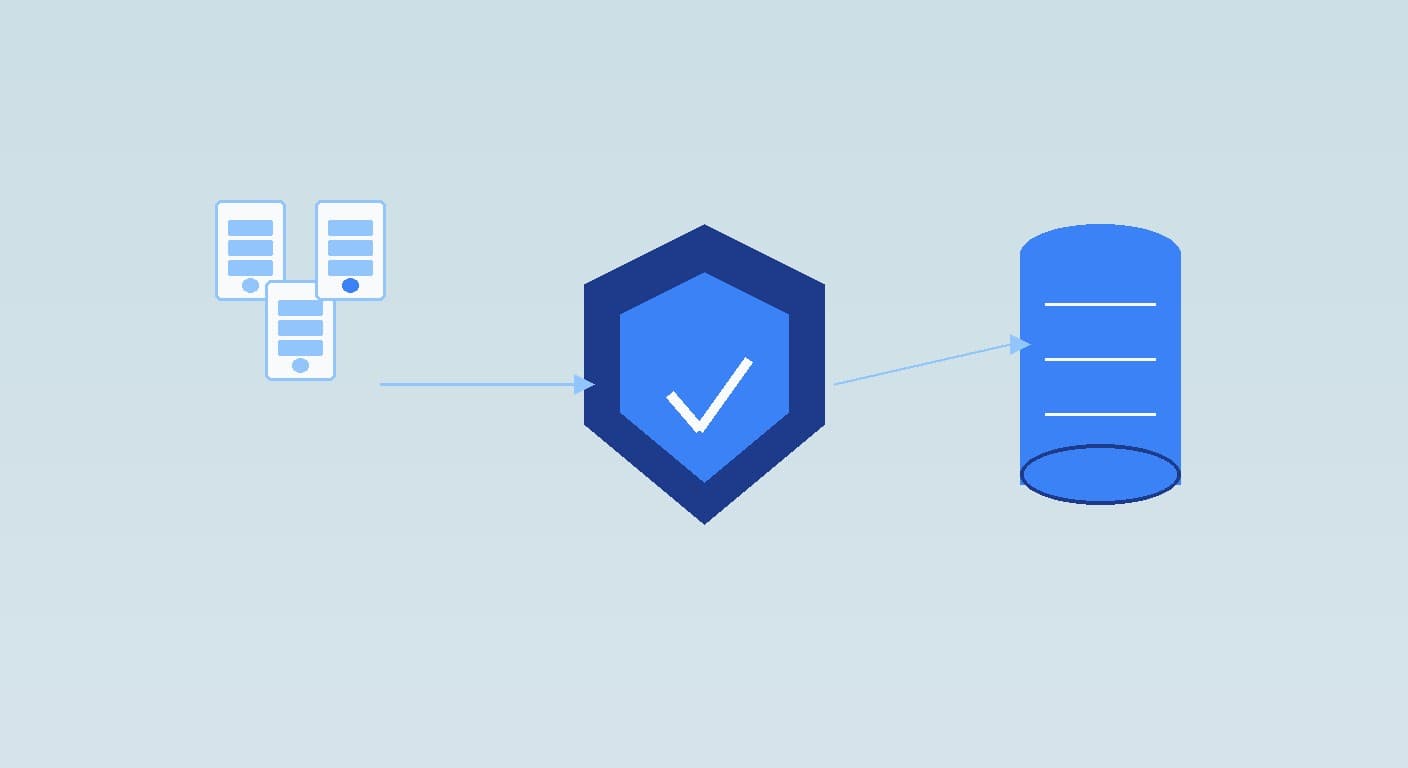
NMC's Digital Data Mandate: What Medical Colleges Must Align with Their Examination Records
The National Medical Commission now requires all medical colleges to submit Health Facility Registry and HMIS data for annual renewal. Examination records are the missing piece connecting institutional academic governance to India's digital health infrastructure.

CBSE OSM 2026: Why Universities Are Building Admissions That Don't Trust Board Marks
As DU, JNU and central universities adapt their 2026 admissions for students with contested CBSE results, a structural shift is underway — raising fundamental questions about evaluation accountability.
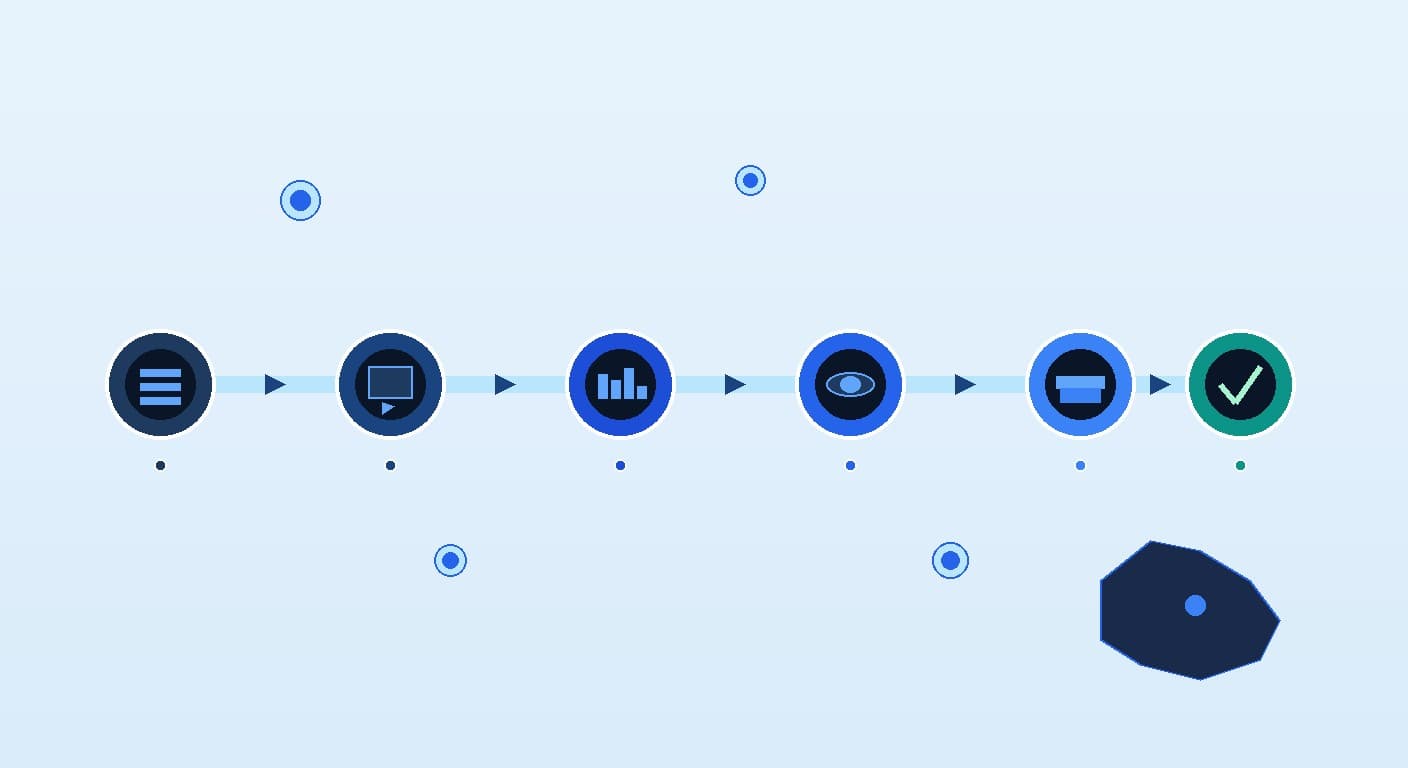
KCET 2026: Karnataka's Digital Admissions Blueprint That Other States Should Study
With 2.92 lakh qualified candidates, 86,000+ seats, and a fully digital pipeline from exam to seat allotment, Karnataka's KCET 2026 offers a replicable model for transparent, tamper-proof engineering admissions that directly supports NAAC and NBA accreditation goals.
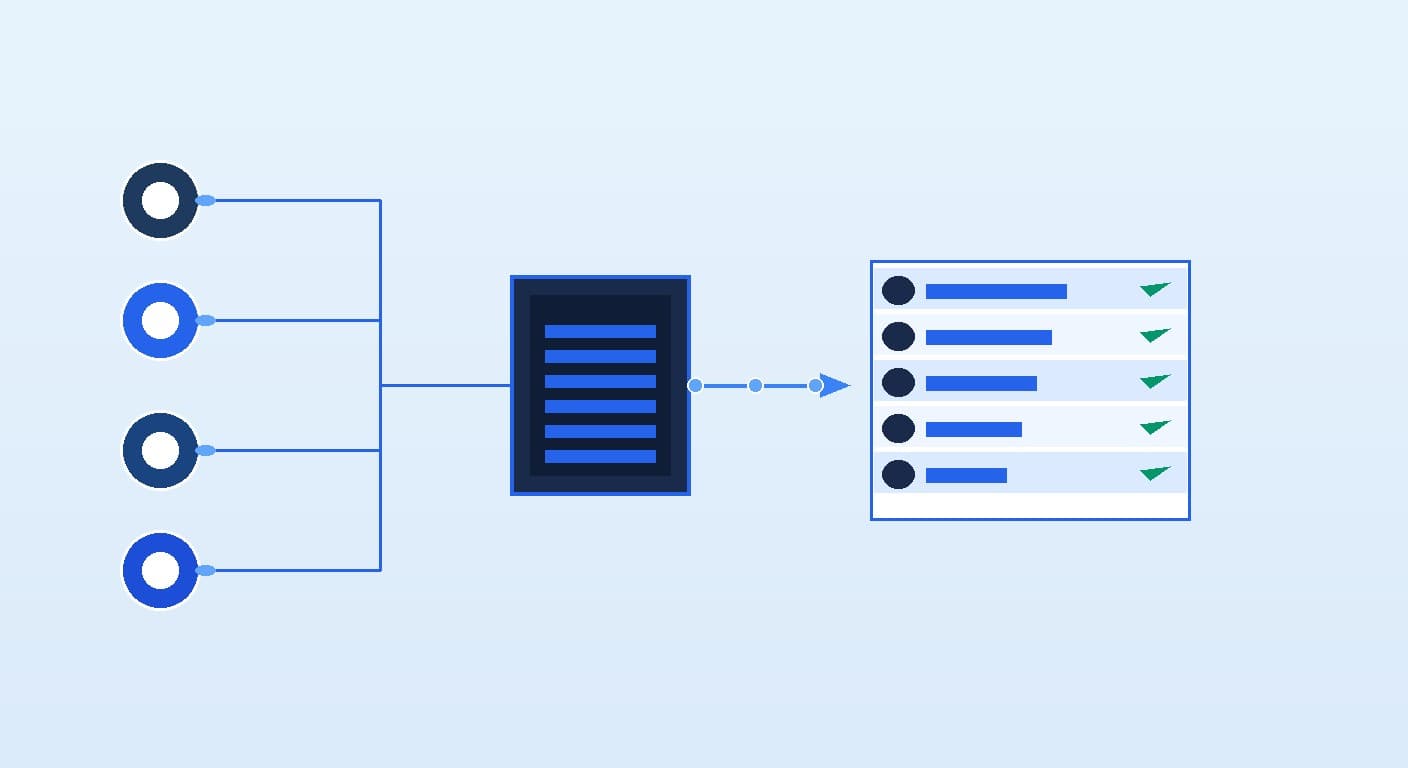
TNEA 2026 Rank List: Why Engineering Admissions Depend on Accurate Board Evaluation
Tamil Nadu's TNEA rank list released July 1, 2026 uses inter-board normalisation — but upstream evaluation errors in CBSE's OSM system are creating downstream chaos for 3 lakh aspiring engineers.
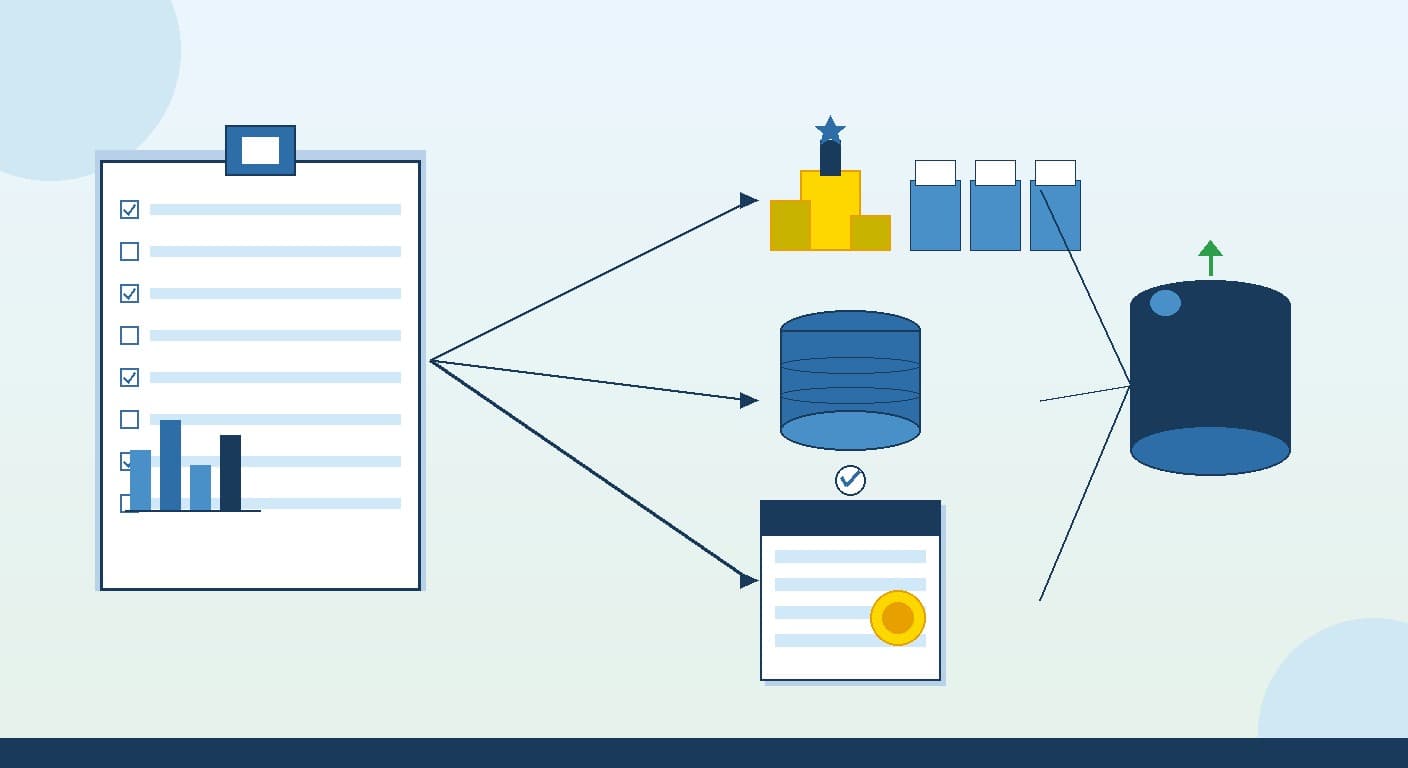
AISHE 2025-26: How Your Examination Records Shape India's Higher Education Data
The All India Survey on Higher Education is a mandatory annual submission that feeds NIRF rankings, NAAC evidence portals, and UGC funding decisions. Institutions with digital examination systems submit better, faster, and more accurately.

HTET July 2026: Broken Seals, Wrong Papers, and OMR Chaos
On July 4, 2026, the Haryana Teacher Eligibility Test descended into chaos — broken sealed packets, wrong question papers, and mismatched OMR sheets. Here is what went wrong and why the fix is structural.

PM-USHA Performance Grants: Why Your Examination Records Now Determine Your Funding
PM-USHA disburses ₹12,926 crore based on outcome evidence — and much of that evidence flows directly from your examination system. Here is how digital evaluation records affect the grants your institution receives.

NIRF 2026 Rankings Drop in Weeks: Your Final Data Audit Checklist
The NIRF 2026 rankings are expected in August, leaving institutions with just weeks to verify their data submissions. Here is a parameter-by-parameter audit checklist focused on the examination records that directly influence your score.

Re-NEET 2026 OMR Challenge Window: Lessons in Post-Exam Transparency
NTA's 72-hour OMR challenge window for Re-NEET 2026 is open this week. It reveals a transparency standard that every exam body in India should adopt — but almost none currently do.

India Has 128 THE-Ranked Universities in 2026 — What Got Them There
India is now the second most represented country in the Times Higher Education World University Rankings 2026, with 128 institutions ranked globally. Behind the number is a decade of investment in teaching quality, evaluation infrastructure, and academic governance.

MHT CET 2026: Maharashtra Frames India's First AI-Specific Exam Malpractice Rules
Maharashtra's CET Cell has issued new malpractice guidelines for MHT CET 2026 that explicitly ban AI tools, screen mirroring, and remote-access software — marking a significant shift in how Indian exam bodies are thinking about a new generation of digital cheating threats.
Inside the Jaipur Paramedical Cheating Racket: What Invigilator Fraud Reveals About India's Exam Security Gap
The RPMC DCLT exam cheating racket busted in Jaipur on June 30, 2026 — where 45 students allegedly paid to cheat with invigilator help — exposes how organised exam fraud thrives at the lowest tier of India's professional certification system.
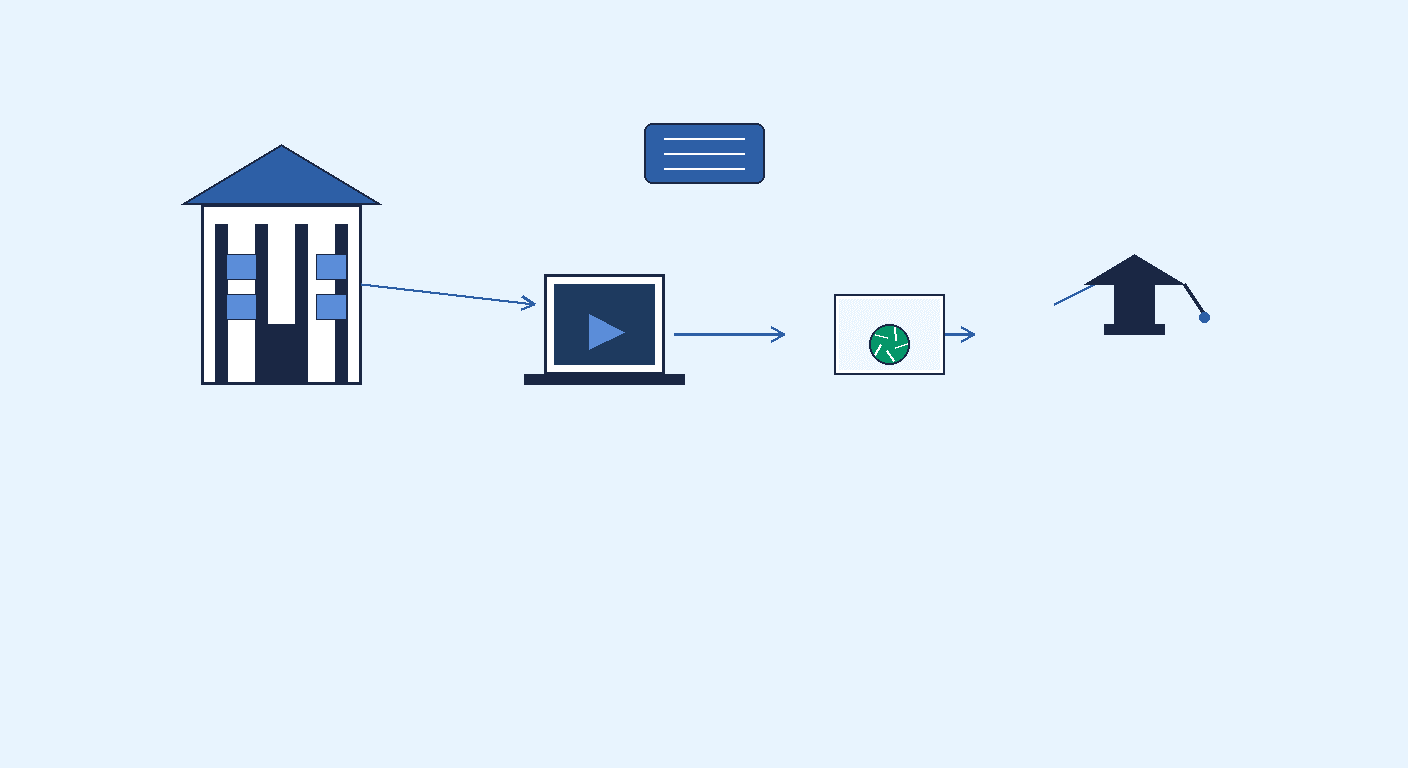
SWAYAM MOOCs in the July 2026 Semester: What the Credit Integration Mandate Means for University Examination Systems
UGC has directed universities to incorporate SWAYAM MOOCs into the July 2026 semester, allowing students to earn up to 40% of course credits online. Universities that have not yet built digital examination records infrastructure will find this mandate harder to execute than it appears.

From B++ to A: How Institutions Are Climbing NAAC Grades Using Digital Evaluation Evidence
Colleges stuck at B or B++ often have stronger academic programmes than their NAAC grade reflects — the gap is usually in evidence quality, not outcomes. Here is the examination data strategy that is closing it.

Parliament Wants NTA Overhauled: What the July 2026 Panel Report Means for Exam Reform
India's Parliamentary Standing Committee on Education has recommended statutory status for NTA, multi-phase NEET, and a cautious CBT rollout — with explicit concern that rural students bear the cost of inadequate digital infrastructure.

UGC-NET Sociology Leak Allegation: What the July 2026 Crisis Reveals About NTA's Insider Threat Problem
Allegations that a 100-page internal NTA document matching 90 UGC-NET Sociology questions was sold for Rs 2.25 lakh across five states expose a fundamentally different vulnerability than NEET's physical paper distribution failure — and demand a different fix.

AISHE 2023-24: India's Record 4.5 Crore Enrollment and the Evaluation System Struggling to Keep Pace
India's latest higher education survey reveals record enrollment at 4.5 crore and a GER of 30 — but without digital evaluation systems to match, the scale advantage risks becoming an administrative bottleneck.
J&K's Academic Content Audit: What Institutional Accountability Now Looks Like in Indian Education
The J&K government's July 2026 framework requiring formal audits of books and academic materials across all educational institutions signals a broader shift — institutional accountability in Indian education now extends beyond answer sheets.
Rajasthan LDC Exam: When the Invigilator Is the Threat
The July 2026 Rajasthan LDC cheating case — where an exam center superintendent and relief invigilator removed the question paper to help a candidate — shows why insider threats are the hardest problem for paper-based examinations to solve.

IIRF Rankings 2026: Which Examination Data Points Influence Your Score
IIRF's nine ranking parameters place Graduate Outcomes and Academic Reputation at 50% combined weightage — both are directly shaped by the quality, accuracy, and verifiability of your examination records.
How a Bihar Gang Extracted Maharashtra TET Papers from an Agra Printing Press
The Maharashtra TET 2026 SIT investigation traced the question paper leak to an Agra printing facility — revealing how organised criminal networks exploit every step of the physical exam supply chain.
The 4:08 AM Document: What UGC-NET Sociology's PDF Metadata Reveals
A 100-page document containing 90 of the UGC-NET Sociology 2026 exam questions was created at 4:08 AM on the morning of the exam — its metadata points to exactly where India's exam paper security is failing.
GATE 2027 and IIT Madras: The CBT Blueprint Every University Exam Should Study
With the GATE 2027 notification expected in late July 2026, IIT Madras's Computer-Based Testing model offers a structural blueprint for examination integrity that Indian universities can adapt for subjective evaluation.
NAAC Metric 2.5.3 Decoded: Score Maximum on Examination Automation
Criterion 2's examination automation metric is one of the most directly achievable full-score opportunities in NAAC accreditation—this guide details exactly what evidence to prepare and how digital evaluation systems satisfy each requirement.
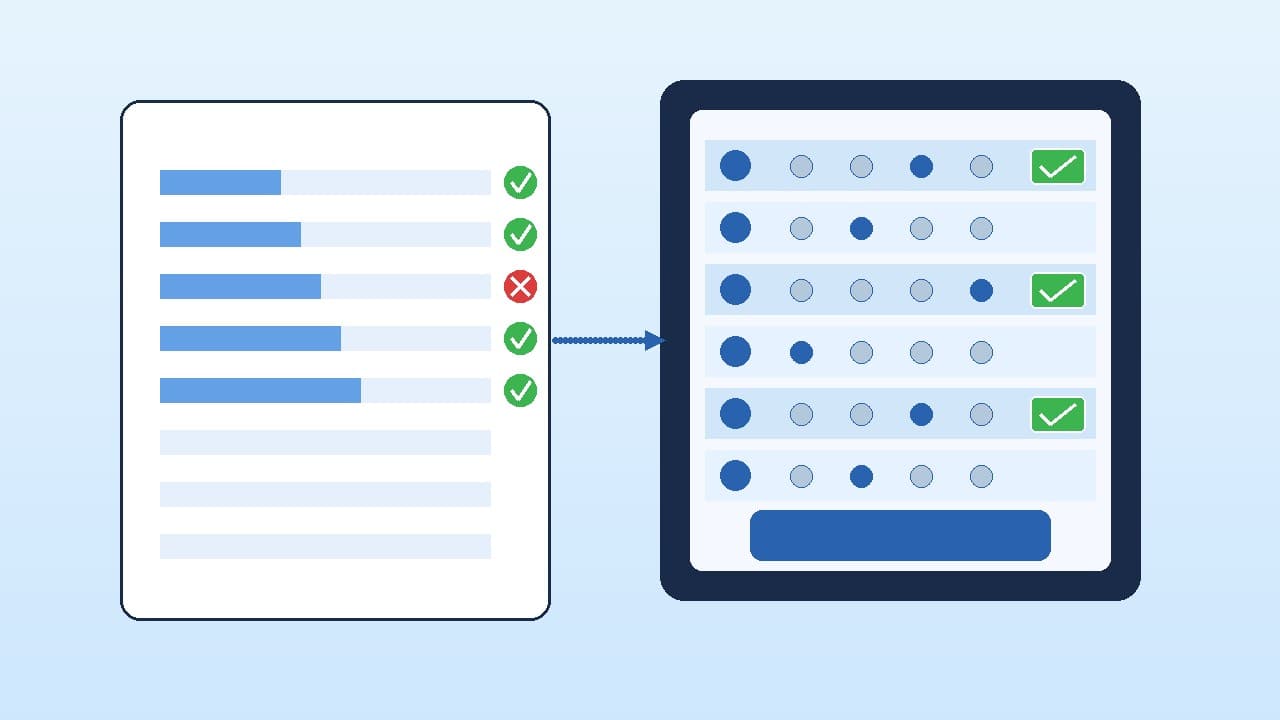
UPTET 2026's Digital Objection System: What It Gets Right About Exam Transparency
The UPTET 2026 answer key challenge window—open July 8-14—shows how digital platforms are making teacher recruitment examinations more transparent and accountable across India.
Cluster Universities Under NEP 2020: Why Shared Examination Governance Is India's Next Digital Frontier
India's cluster university model consolidates multiple colleges under a single examination authority, creating governance challenges and a rare opportunity to build digital evaluation infrastructure from scratch without paper-based legacy systems.

NAAC Metrics 2.5.1 and 2.5.2: The Examination Transparency Evidence Every Institution Needs
NAAC's assessment of examination mechanisms under metrics 2.5.1 and 2.5.2 rewards institutions that demonstrate transparent, time-bound, and grievance-responsive evaluation — here is exactly what peer teams look for and how digital systems provide that evidence.

UGC-NET June 2026 Answer Key: How India's Largest Teaching Eligibility Test Manages Digital Quality Control Across 83 Subjects
With the UGC-NET June 2026 provisional answer key released for 83 subjects and the objection window active in mid-July, NTA's digital quality control pipeline faces its first full credibility test after the sociology paper leak.

CBSE to Share Evaluated Answer Sheets on DigiLocker from 2027
CBSE's plan to upload scanned evaluated answer scripts alongside marksheets on DigiLocker marks a landmark shift in examination transparency. Here is what students, parents, and institutions need to understand about what changes and why.

The NCERT Supplier Probe: What Educational Procurement Failures Cost Institutions
The Education Ministry's July 2026 investigation into NCERT's blacklisting of textbook paper supplier Bafna Global Ventures exposes how physical supply chain dependencies create systemic risk for educational institutions — and why digital delivery is a structural remedy.

Union Budget 2026-27: What the Education Allocation Means for Digital Examination
India's Union Budget 2026-27 earmarks a record ₹1.39 lakh crore for education, including dedicated AI funding and digital infrastructure. Examination administrators and institutional leaders should understand how this budget signals and funds the shift to digital assessment.

The 30,000 Never-Accredited: Why Starting Digital Evaluation Now Is Your NAAC Binary Advantage
Over 30,000 Indian colleges remain outside the formal accreditation system. With the NAAC binary framework arriving, institutions that begin building digital examination evidence today will enter the process with a head start that legacy-accredited peers cannot easily replicate.

Five Standards India's On-Screen Marking Framework Must Mandate After CBSE 2026
India's Supreme Court has asked for regulations governing on-screen marking. Five concrete standards that any credible OSM regulatory framework should include, drawn from the CBSE 2026 rollout and international practice.

Supreme Court Flags CBSE OSM's Creeping Problems: What India's Highest Court Expects
On July 15, 2026, India's Supreme Court expressed concern over CBSE's on-screen marking system and sought a status report from the government. Here is what the intervention means for digital evaluation across India.

India's Gen Z Exam Protest Goes National: What the CJP Charter Means for Universities
Sonam Wangchuk's 19-day hunger strike and the Cockroach Janta Party's five-point charter are forcing India to confront systemic examination failures. Here is what the reform demands mean for university evaluation infrastructure.

India's ₹650 Crore Open Academic Mission: Why Digital Examination Infrastructure Is the Entry Ticket
India's ₹650 crore NMEICT allocation for 2026-27 is building a national open academic platform ecosystem. Universities without digital examination infrastructure will find themselves unable to fully participate — and left behind in rankings, grants, and student outcomes.

32 Fake Universities, One UGC List: How Exam Records Prove You Are the Real Thing
The UGC's 2026 list of 32 unrecognised universities highlights a structural problem — in an era of institutional scrutiny, the difference between a legitimate university and a fraudulent one increasingly comes down to the quality of examination records.

When Answer Keys Become Question Papers: Rajasthan University's Double Exam Failure
Two incidents in five days at Rajasthan University—where students received answer keys instead of question papers—reveal the systemic fragility of manual examination management.
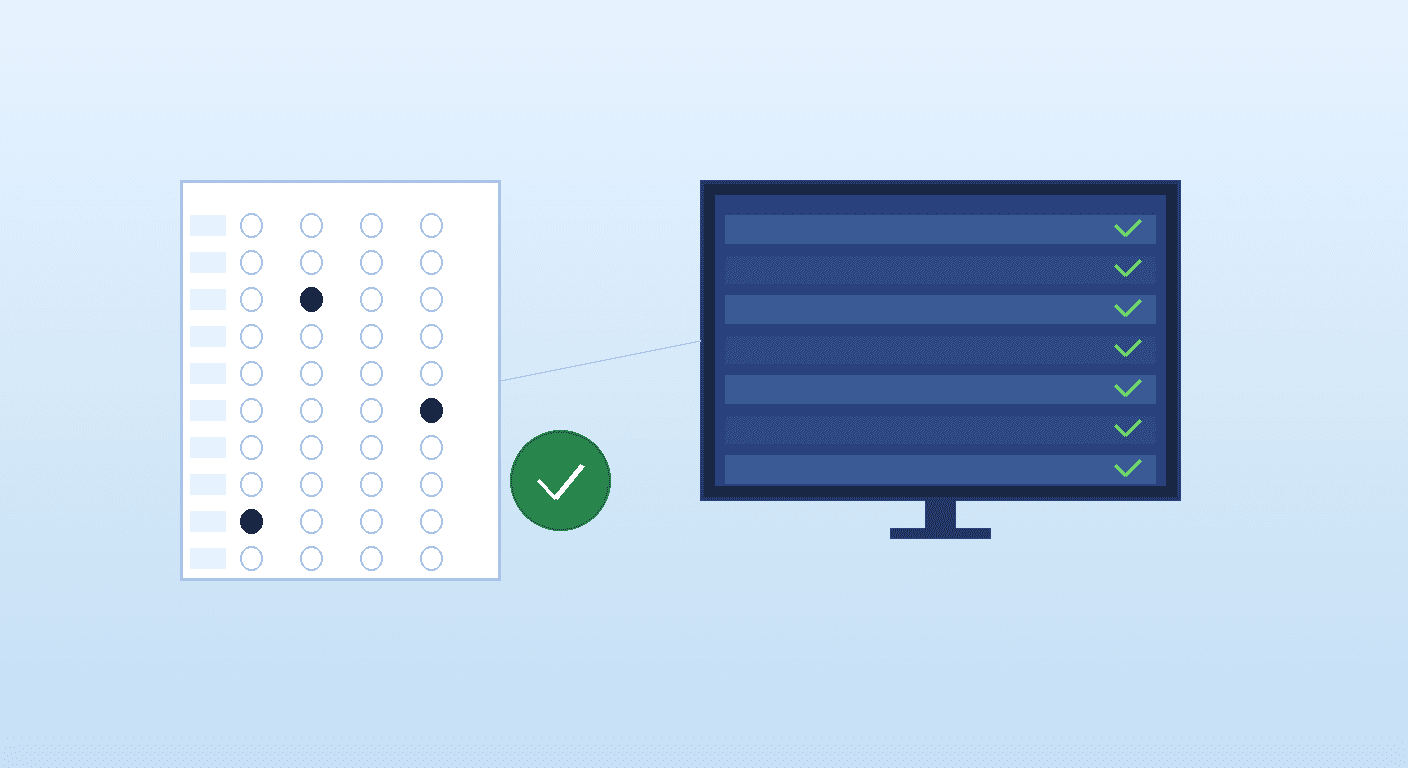
CPGET 2026: How Kakatiya University's Digital PG Entrance Test Models Transparent State Evaluation
Telangana's Common Post-Graduate Entrance Test, conducted by Kakatiya University across 25-plus programmes from July 8-15, 2026, demonstrates how a state examination body can deliver transparent, digitally verifiable admission evaluation at scale.
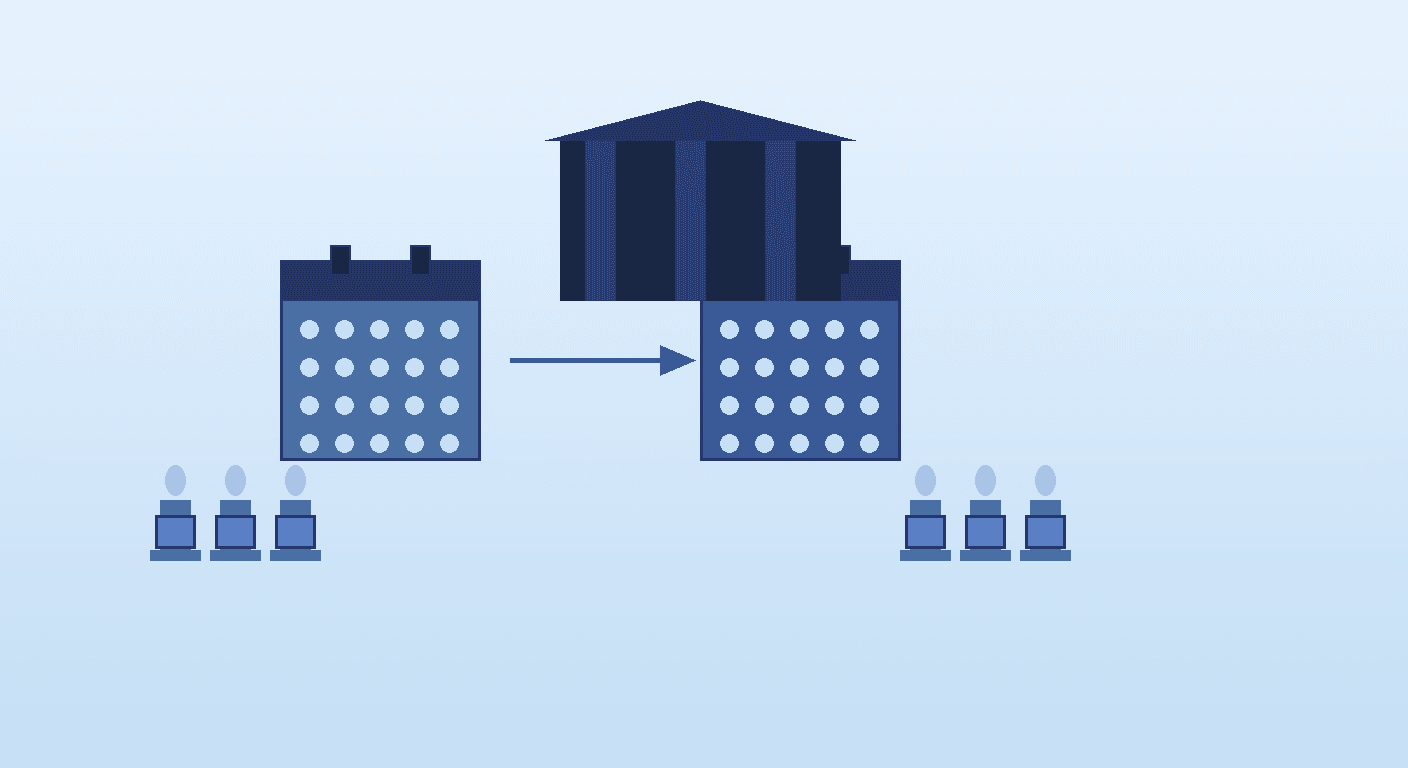
Two Intakes, Double the Load: UGC's New Admission Cycle and the Accreditation Opportunity
UGC now permits Indian universities to admit students in both July and January, near-doubling annual examination volume. Institutions that respond with digital evaluation infrastructure will turn the capacity challenge into a measurable accreditation advantage.
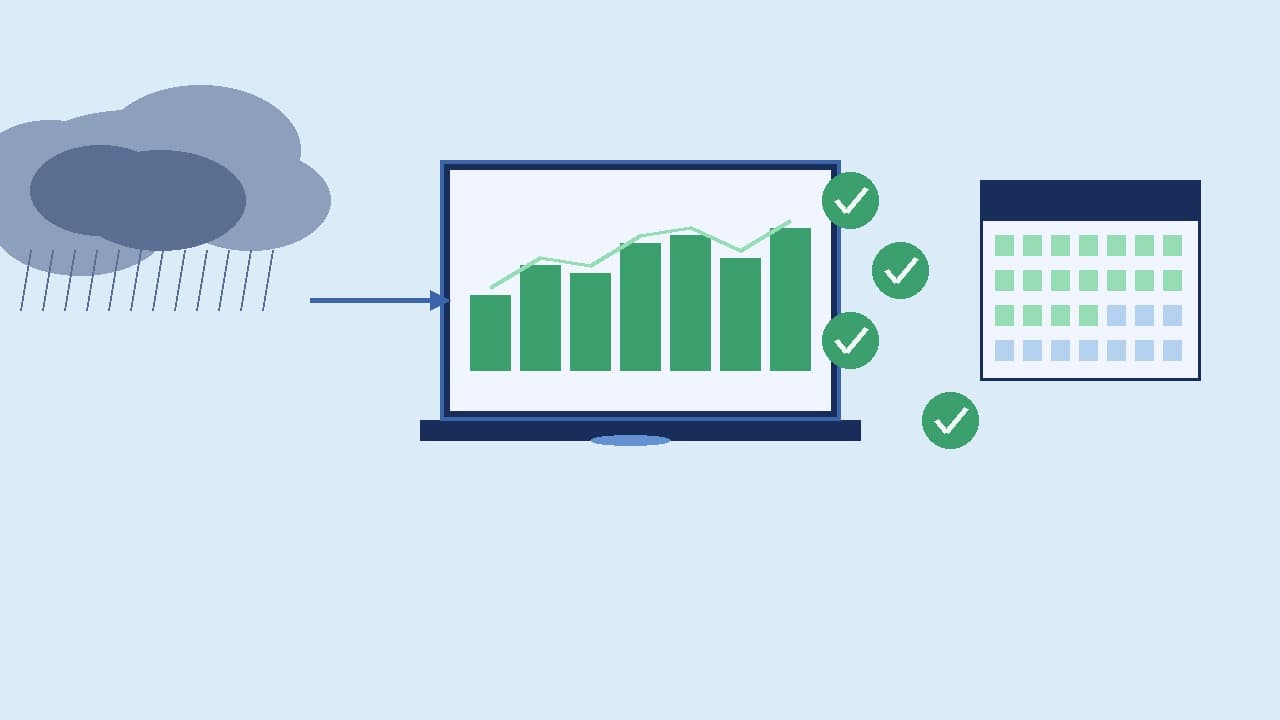
How Digital Evaluation Kept Universities on Track During India's 2026 Exam Crisis
While NEET cancellations, CBSE OSM controversies, and state-level paper leaks disrupted millions of students in 2026, universities with digital evaluation infrastructure maintained their own results cycles on schedule. Here is what separated resilient institutions from those that struggled.
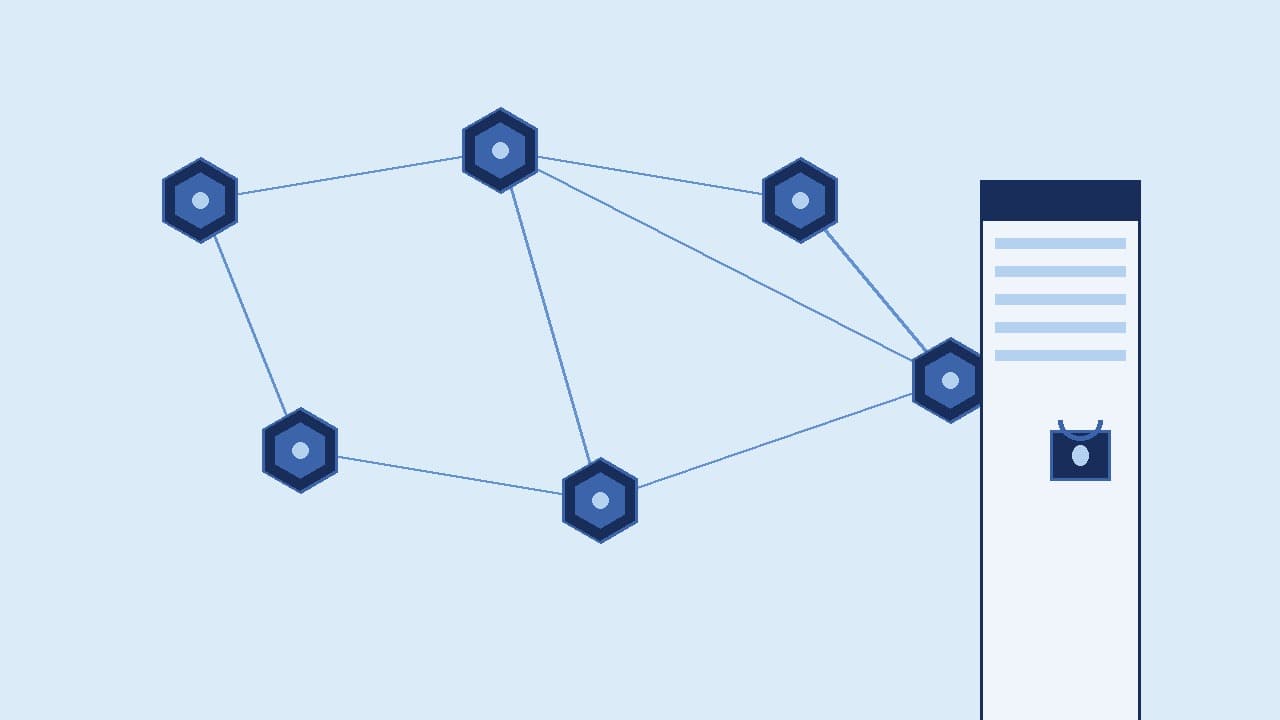
India's First Blockchain-Powered Exam Platform Wins National Award
EduBlock Pro won the STPI award at TiECON Chandigarh 2026 for its blockchain-powered exam integrity platform. Here is what the technology does, where it has already been deployed, and what it means for India's paper leak crisis.

Wangchuk Hospitalized, CJP Marches to Parliament: What India's Exam Protest Demands of Institutions
On July 18, Delhi Police forcibly moved activist Sonam Wangchuk to hospital on day 21 of his hunger strike. On July 20, the Cockroach Janta Party plans to march to Parliament. Here is what the escalating exam reform crisis means for institutions.
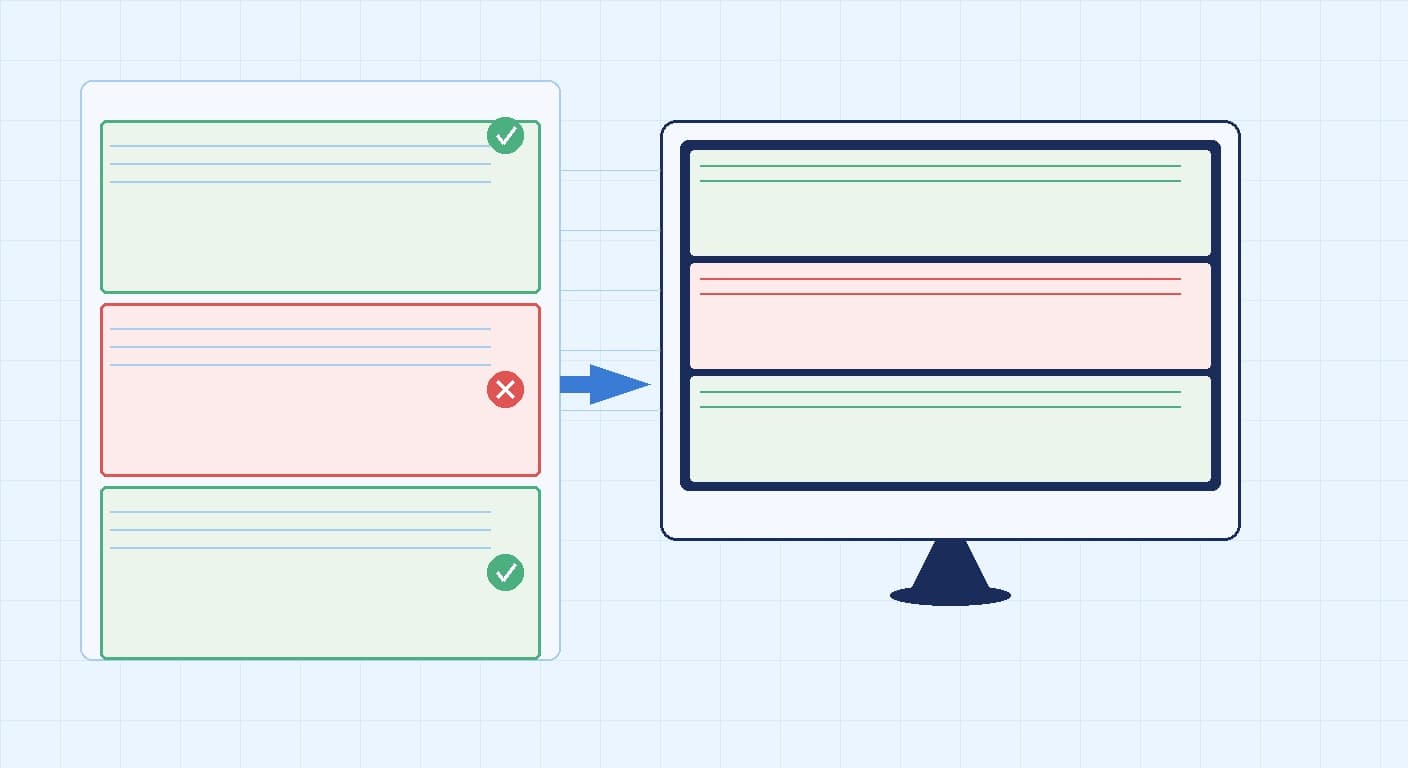
CBSE's Zero-Tolerance Section Format: Why Digital Evaluation Is Now Non-Negotiable
CBSE's 2026 rule that answers in wrong answer-sheet sections receive zero marks — even if correct — exposes a critical gap that only digital on-screen marking can reliably close.

India's Higher Education Overhaul: What the JPC Report Means for Exam Systems
The Joint Parliamentary Committee endorsed the Viksit Bharat Shiksha Adhishthan Bill on July 17. As Parliament tables it this week, here is what the legislation means for examination governance and digital infrastructure in Indian universities.
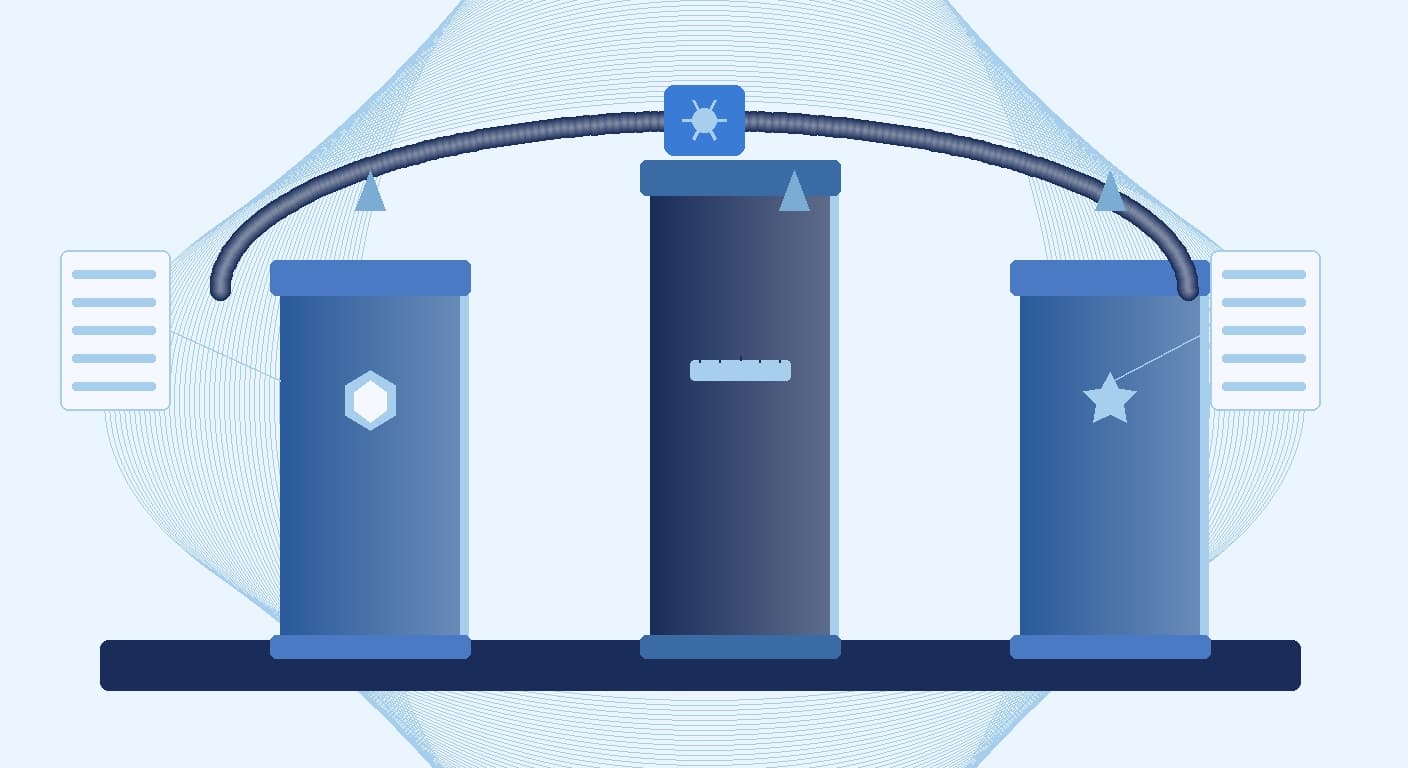
NAC Transition Playbook: Building a Digital Evidence Portfolio Across All Three Accreditation Pillars
India's proposed single accreditor — the National Accreditation Council under the Shiksha Adhishthan Bill — merges NAAC and NBA into one framework. Here is how digital evaluation data maps to each of its three pillars and why institutions that act now have a structural advantage.

When Universities Become Skill Examiners: India's NCVET Awarding Body Policy and What It Means for Campus Assessment
A new UGC, MSDE, and Department of Higher Education joint committee will allow universities to become NCVET-recognised awarding bodies — enabling them to design vocational qualifications, conduct assessments, and issue nationally recognised skill certificates.

NEP 2020 at Six: 14 State AI Assessment Initiatives That Show India's Digital Evaluation Is Ready
Six years into NEP 2020, state-level AI assessment programmes have evaluated over 45 lakh students, processed 26 lakh reading tests in 10 days, and built statewide competency tracking for 81 lakh learners. The data shows what university-scale digital evaluation looks like in practice.

Parliament's Monsoon Session 2026 Opens: What the Education Bills and Exam Accountability Debates Mean for University COEs
India's Parliament monsoon session opened on July 20, 2026, with examination accountability, the Viksit Bharat Shiksha Adhishthan Bill, and NTA reform on the legislative agenda. Controllers of Examinations at universities have a narrowing window to align their infrastructure with the incoming regulatory framework.

What the Radha Chauhan CBSE OSM Probe Means for Digital Evaluation Standards
The one-member commission constituted after the Supreme Court's July 15 intervention into CBSE's OSM crisis is doing more than investigating a single board — its findings are likely to define minimum standards for digital evaluation platforms across India.

NTA's Question Recycling Problem: 67 UGC-NET English Questions from 2024
In June 2026, 67 of 150 UGC-NET English Paper II questions were found identical to the December 2024 examination, raising urgent questions about India's national question bank management and the limits of exam integrity reform.

The VBSA Accreditation Council: What India's New Framework Means for Digital Evaluation
With the JPC endorsing the Viksit Bharat Shiksha Adhishthan Bill on July 17, 2026, India's new Accreditation Council will replace NAAC and NBA — and the evidence standards it will apply have direct implications for how universities build their digital examination records today.

From Printing Press to WhatsApp in 30 Minutes: India's Exam Supply Chain Problem
The NEET 2026 and Maharashtra TET leaks both trace back to the same weakness — a fragile physical paper supply chain with dozens of human touchpoints. This is a structural problem, and there is only one structural fix.

IELTS Goes Fully Computer-Based in India: What Every Exam Body Must Learn
IDP Education has ended paper-based IELTS testing in India from September 2026 — the first major international assessment body to do so. Here is what domestic exam boards and universities need to understand from this move.

India's Exam Chaos Is Pushing Students Abroad: How Institutions Can Win Them Back
Repeated paper leaks and evaluation failures are accelerating India's student talent drain — with Germany, France, and the Netherlands seeing sharp rises in Indian enrolments. Institutions that demonstrate verifiable evaluation integrity have a concrete path to reversing this.

Delhi HC's Fast-Track Exam Court: What It Demands from Every Institution's Evaluation Records
On July 24, 2026, the Delhi High Court constituted a dedicated fast-track bench for examination grievance cases as student-government talks began at Constitution Club. The shift from street protest to courtroom accountability changes the documentation standard for every exam-conducting institution in India.

India Crosses 26 Crore APAAR IDs: What the Milestone Means for Examination Records
As of July 2, 2026, India has generated 26.35 crore verified APAAR student IDs, with 2,899 higher education institutions and 98 skill bodies now linked via blockchain on the NAD-ABC platform. Here is what this infrastructure milestone requires from institutions and what it changes for examination records.

Washington Accord 4.0: New Examination Requirements for NBA-Accredited Engineering Colleges
GAPC 4.0, mandatory for all Washington Accord signatory countries from 2026, introduces new graduate attribute emphases in sustainability, complex problem-solving, and systems thinking — and these must now be evidenced through examination data submitted to NBA.

CUET PG 2026 Exposes the Digital Examination Infrastructure Gap in Indian Universities
As NTA processed postgraduate admissions for central and participating universities through CUET PG 2026, the results reveal a structural divide between institutions ready for integrated digital evaluation and those that are not.

The Evaluator Training Gap That Brought Down CBSE OSM — And the 4-Week Protocol That Prevents It
CBSE's On-Screen Marking rollout failed in part because faculty evaluators received inadequate preparation before live deployment. Here is the structured training protocol that universities must follow before going live.
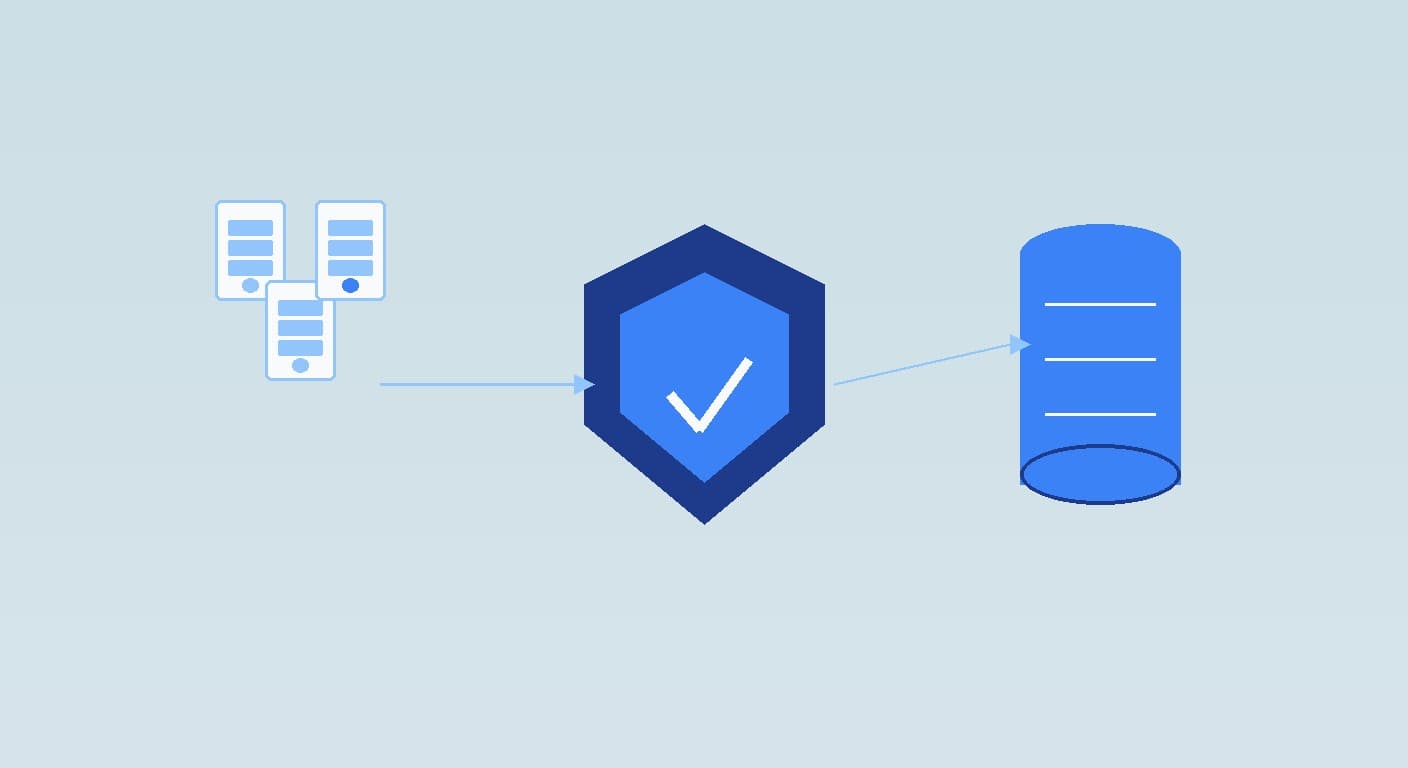
India's 4,200 Nursing Colleges Are Using 1990s Examination Processes in a 2026 Regulatory Environment
INC-recognized nursing institutions manage lakhs of answer sheets with handwritten records and delayed results — while NAAC accreditation cycles demand digital evidence and INC's Nursing Education Regulations mandate outcome-based assessment.
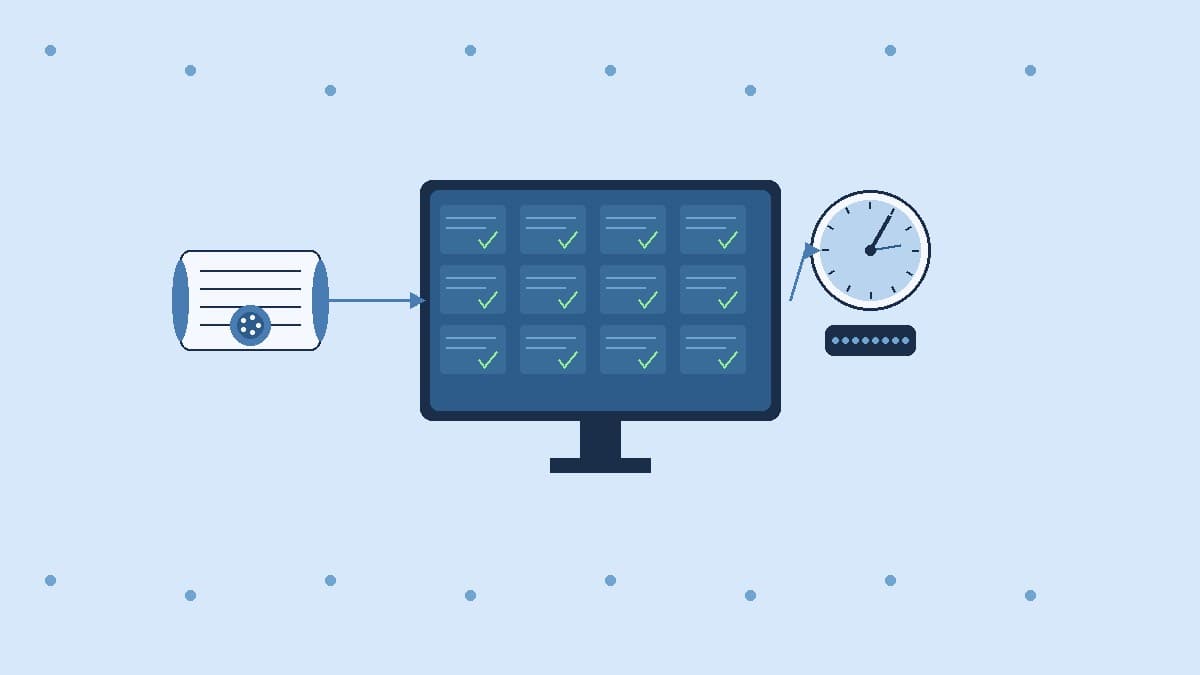
How MSBTE Cracked Digital Evaluation: Maharashtra's Technical Board as a Model for India
While CBSE's OSM rollout drew national controversy, Maharashtra's technical education board quietly delivered results in 40 days with a fully digital evaluation system. Here is what they did right.

India's Education Minister Resigns: What the CJP Victory Means for Digital Examination Reform
Dharmendra Pradhan's July 25 resignation marks a turning point for India's examination system. Here is what the government's commitments mean for digital evaluation infrastructure at every level.

Pralhad Joshi Inherits the Exam Crisis: Five Digital Priorities for India's New Education Minister
Assigned additional charge of the Education Ministry on July 25, Pralhad Joshi inherits a full inbox. Here are the five digital examination reforms that will define his early tenure.
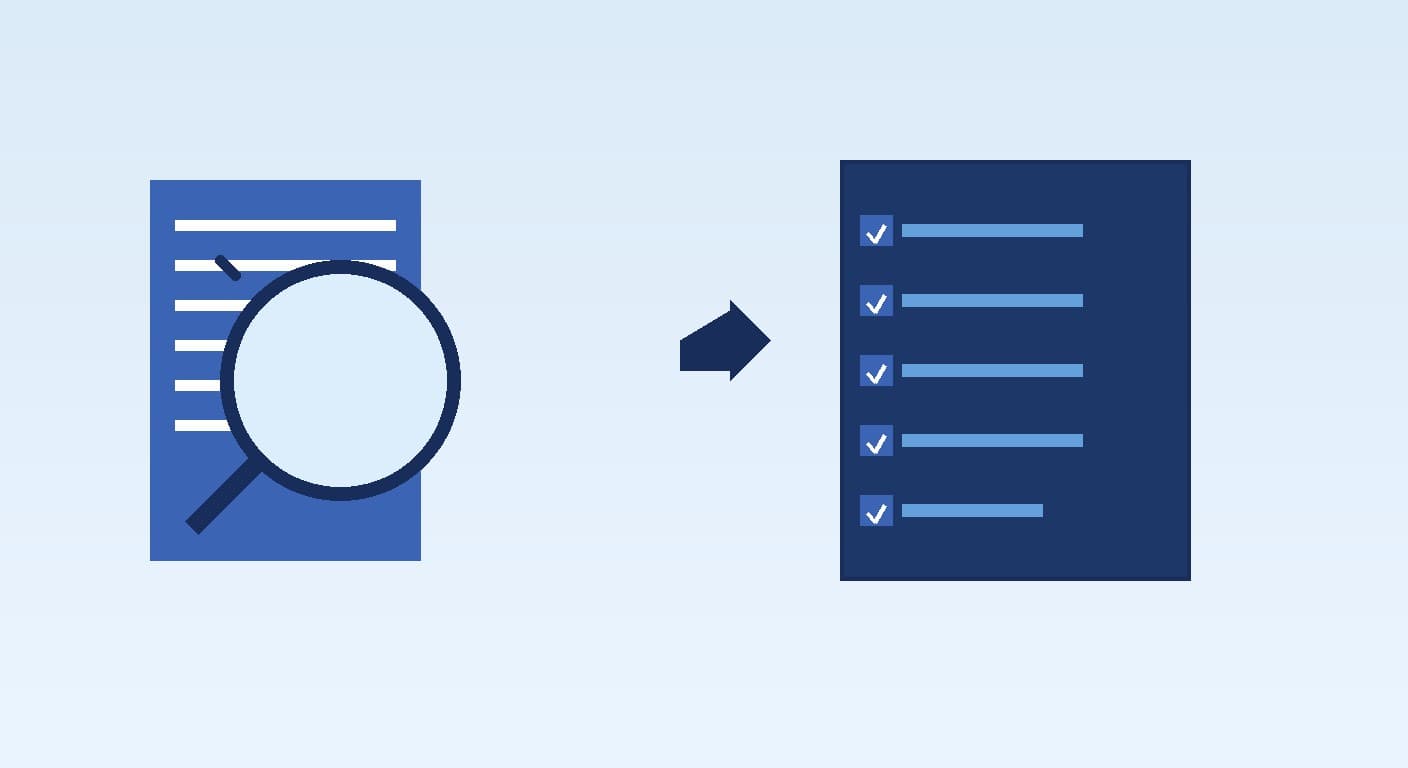
Five Systemic Lessons India's 2026 Exam Crisis Must Teach Universities
India's twin exam crises in 2026 — the NEET paper leak and the CBSE On-Screen Marking controversy — expose structural gaps that every affiliating university must address before the next evaluation season.

From NAAC Binary to MBGL Level 3: Building Your Examination Evidence Strategy
Institutions accredited under the NAAC Binary framework in 2025-26 have a two-year window to build the evidence required for MBGL Level 3. Here is exactly what examination data must demonstrate.

India's Nilekani Exam Reform Task Force: The Digital Blueprint Ahead
PM Modi's July 26 announcement of a Nandan Nilekani-led exam reform task force marks a turning point for India's examination infrastructure. Here is what the mandate means for universities and digital evaluation.

India's Anti-Paper Leak Amendment Bill 2026: What Every Exam Body Must Know
The Public Examinations (Prevention of Unfair Means) Amendment Bill 2026, introduced in Lok Sabha on July 27, raises penalties to 10 years' imprisonment and ₹10 crore fines for organised exam fraud and creates fast-track courts with 3-month trial mandates.

How Examination Analytics Builds the Research Culture That Powers University Rankings
Digital evaluation platforms generate subject-wise performance data, evaluation consistency metrics, and student progression analytics that help universities identify curriculum gaps, improve teaching quality, and build the research culture that drives better scores in NIRF, QS, and THE rankings.

IBPS Banking Exam Reforms 2026: Answer Keys, Response Sheets, and Automated Evaluation
The Department of Financial Services has mandated IBPS to release candidate response sheets and answer keys from the 2026-27 cycle, plus introduce automated evaluation for descriptive papers — marking a turning point for India's largest recruitment examination network.

The Institutional Accountability Clause: What University Exam Offices Must Know
The 2026 Anti-Leak Amendment Bill extends liability to institutions and service providers, not just individuals. Here is what university Controllers of Examinations need to understand and do before it becomes law.

Already Ahead: How Digital Evaluation Positions Institutions for India's New Compliance Era
India's July 2026 exam reforms created three simultaneous compliance pressures. Institutions that adopted digital evaluation earlier are already satisfying each of them — here is how to document and leverage that advantage.
India's Exam Reform Week: Three Actions That Redefined Accountability
A chronological breakdown of the three examination governance actions taken between July 24 and July 27, 2026 — NTA purge, Nilekani task force, anti-leak bill — and what each means for university exam administrators.
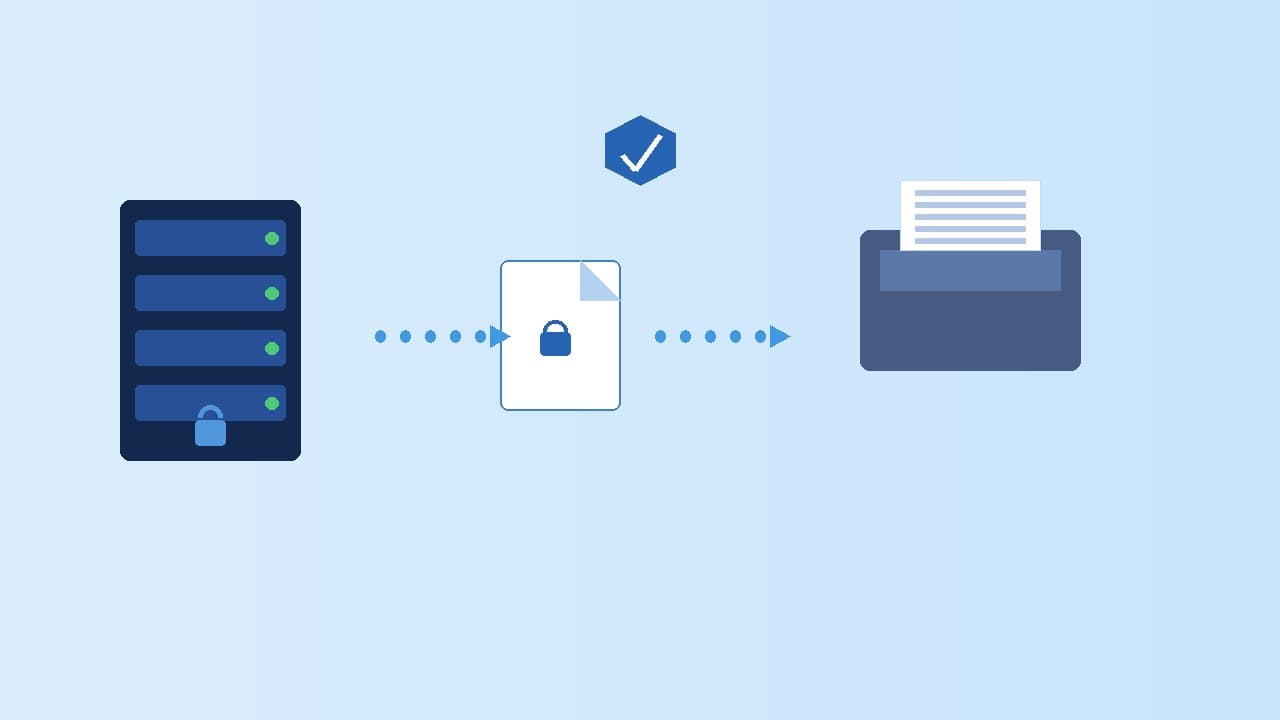
CPPT: The Hybrid Exam Model That Could End India's Question Paper Leak Problem
Computer-assisted Secure Pen-and-Paper Testing encrypts and transmits question papers digitally, printing them locally at the exam centre minutes before the exam. Here is how it works and why universities should be paying close attention.
AYUSH Exams Are Not Immune: The Gujarat BAMS Paper Leak and What It Signals
When 11 of 12 surgery questions appeared to leak before a July 20 BAMS exam at Gujarat Ayurved University, it confirmed that India's paper leak crisis has now reached specialised medical streams — and that AYUSH examination systems are structurally unprepared.

The Professor Who Leaked His Own Paper: Inside India's Insider Threat Problem
When Uttarakhand Technical University cancelled two BTech exams after a professor shared questions via WhatsApp, it exposed a category of exam fraud that digital answer-sheet evaluation cannot fix — but digital question-paper custody can.

Mumbai University TYBCom Paper Leak: Why Affiliated University Exam Rooms Remain India's Weakest Link
Three final semester BCom question papers leaked from an examination section employee via WhatsApp. Six students were caught with devices. A CID probe was promised but not delivered. What the Mumbai University incident reveals about examination security in large affiliated university systems.

Odisha MKCG Medical PG Exam Leak: When the Paper Circulates Before the Ink Dries
On July 27, the General Surgery MS/MD question paper at MKCG Medical College was circulating on WhatsApp while the examination was in progress. What happened, why PG medical exams are structurally exposed, and what the incident demands from examination bodies.

Pharmacy Colleges and Digital Examination Infrastructure: Meeting PCI, NAAC, and NBA Requirements Together
The Pharmacy Council of India mandated examining authority registration via a new portal in January 2026. For pharmacy colleges managing PCI, NAAC, and NBA compliance simultaneously, digital examination infrastructure resolves multiple regulatory demands with a single investment.

MARB Is Coming: Preparing Medical Colleges for NMC's 78-Parameter Accreditation Framework
NMC's Medical Assessment and Rating Board has drafted an 11-criteria, 78-parameter framework for rating medical colleges. It is in stakeholder consultation now. Medical colleges that start building digital examination data today will have a decisive head start when MARB becomes mandatory.

MCC Ends Physical College Reporting: How NEET 2026 Counselling Completes India's Digital Examination Pipeline
On July 29, 2026, MCC announced virtual seat upgrades and online resignation for NEET counselling. Here is what this signals about India's end-to-end digital academic pipeline and what medical colleges must now prepare for.

NMC's New PwBD Guidelines Signal the Next Challenge for Digital Examination Platforms
NMC notified new Persons with Benchmark Disabilities assessment guidelines effective July 27, 2026. The shift to a competency-based framework and 61 assessment centres reveals a gap that most digital evaluation platforms have not yet addressed: accessible, inclusive examination for disabled students.
India's BRICS 2026 Presidency and the Digital Examination Imperative for Universities
India's BRICS presidency brought renewed focus to higher education cooperation in July 2026. For Indian universities to credibly attract international students and build BRICS academic partnerships, tamper-proof digital examination records are no longer optional.

How Fast-Rising Private Universities Used Examination Data to Climb NIRF 2026 Rankings
The NIRF 2026 results released in August show several private universities making significant gains. A common thread among those that improved is systematic investment in examination infrastructure that generates clean, auditable data for NIRF's Teaching, Learning and Graduation Outcomes parameters.

The Radhakrishnan Committee Report: What Affiliating Universities Must Learn from NTA's Vulnerabilities
A July 2026 retrospective on the Radhakrishnan Committee's findings shows that the structural flaws it identified in India's national exam system exist in equal measure within affiliating university examination offices — and remain largely unaddressed.

AICTE's January B.Tech Intake: The Examination Infrastructure Challenge
AICTE's dual-intake model gives engineering aspirants two admission windows per year. For affiliated universities and colleges, it doubles the examination evaluation workload — a scale problem that manual systems cannot absorb.

India's August Admission Crunch: The Institutional Cost of Slow Results
As NEET MCC counselling opens August 5, JoSAA rounds continue, and CBSE supplementary results remain pending, India's colleges are absorbing the hidden financial and operational cost of a slow examination pipeline — a cost that digital evaluation can cut significantly.

Management Colleges and NIRF 2026: How Examination Data Shapes Your Ranking
With NIRF Management Rankings 2026 releasing on September 4, management colleges need to understand how examination data directly feeds the Teaching, Learning and Resources score — and what to do differently before the next data submission cycle.

One University, Three Hundred Colleges: The Case for a Shared Digital Evaluation Model
India's affiliating university system creates unique examination bottlenecks that isolated college-level deployments cannot solve. A centrally managed digital evaluation platform — shared across all affiliated colleges — changes the economics, the compliance posture, and the quality of results at scale.

India's State Boards and Digital Evaluation After CBSE's OSM Crisis: A 2026 Readiness Snapshot
Following CBSE's turbulent on-screen marking rollout in 2026, India's state boards are at very different stages of digital evaluation readiness. Here is where each major state stands — and what it means for affiliated colleges.

NIRF 2026: IIT Madras Tops for the Seventh Year — What the Rankings Reveal About Examination Quality
IIT Madras retained the top position in NIRF 2026 for the seventh consecutive year. The data behind India's most enduring ranking streak points directly to examination infrastructure, outcome accuracy, and institutional transparency.

Exams, Employment, and Meritocracy: India's Credential Credibility Crisis
The State of Working India 2026 report finds 40% of graduates under 25 unemployed. When exam fraud is endemic, the credentials that education is supposed to produce stop meaning what they should — and the jobs crisis deepens.

Jharkhand's Exam Fraud Protests Signal a State-Level Reckoning for Recruitment Boards
JPSC and JSSC paper leak protests spreading across 24 districts in August 2026 reveal a chronic accountability gap in state-level recruitment examinations — and why institutional digital evaluation reform is no longer optional.

Why 2026-27 Is the Right Year to Invest in Digital Examination Infrastructure
Three converging forces — Union Budget 2026-27's digital push, NAAC's AI-driven verification requirements, and the evidence window for 2028-29 accreditation cycles — make this the most strategically important year for examination infrastructure investment.

India's Exam Anxiety Crisis: How Digital Evaluation Addresses the Root Cause
NCERT data shows 80% of Class 9-12 students suffer exam anxiety. India's 2026 School Mental Health Policy addresses symptoms — but digital evaluation reform must address the structural causes.
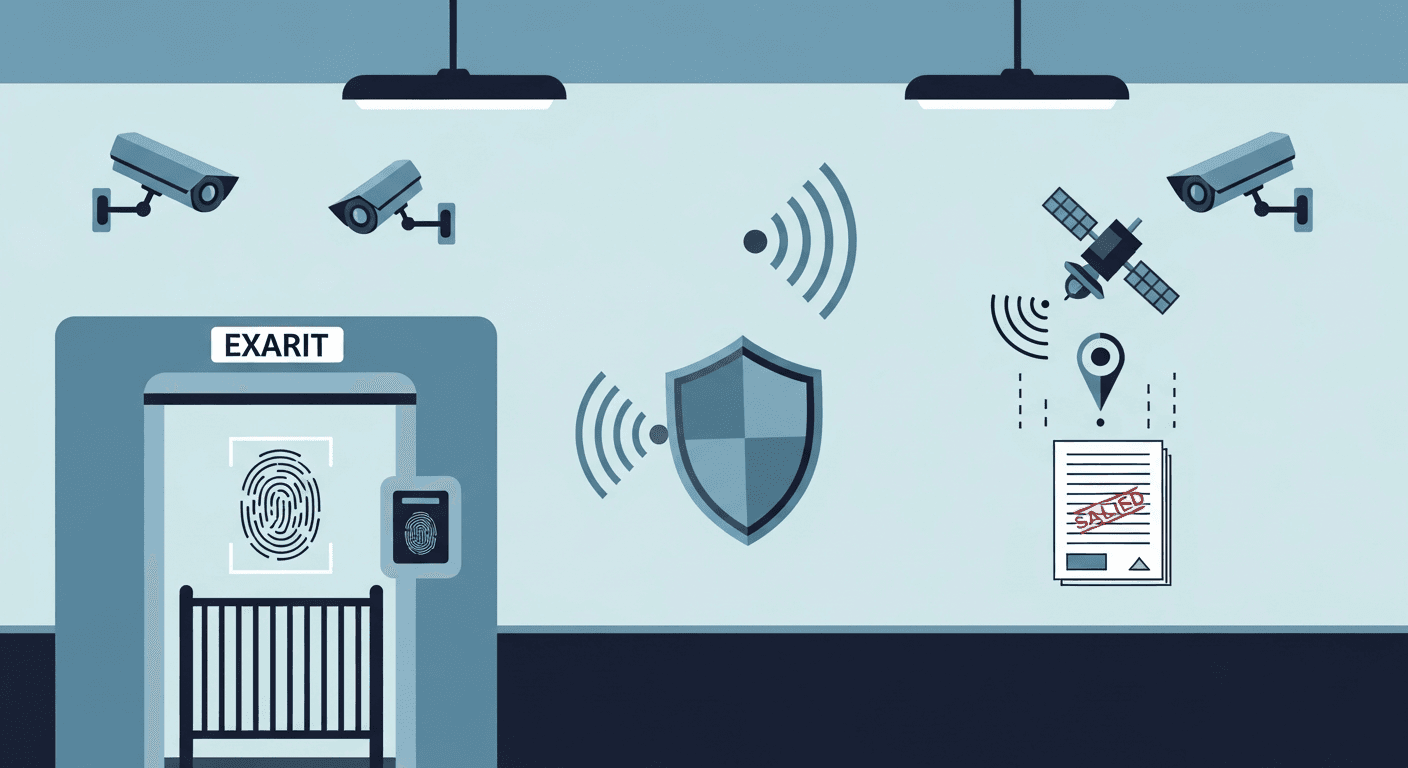
NEET-PG 2026: Inside India's Most Security-Hardened Medical Exam
On August 30, 2026, over 2.73 lakh medical graduates will sit NEET-PG under the most comprehensive security architecture ever deployed for a postgraduate entrance exam in India.

The Supplementary Exam Second Chance: Why Digital Speed Matters in August
For the tens of thousands of students who depend on supplementary exam results to secure late college admissions, the speed of digital evaluation is not a convenience — it is an academic lifeline.

When Your Exam Failure Gets a Wikipedia Page: Lessons from the 2026 CBSE OSM Controversy
The 2026 CBSE On-Screen Marking controversy now has a dedicated Wikipedia article — a permanent searchable record of what went wrong and why every institution planning digital evaluation must study it.

Haryana's First Government University to Declare Results in 30 Days: The J.C. Bose University Digital Milestone
J.C. Bose University of Science and Technology, YMCA Faridabad, declared all May 2026 examination results within one month through digital evaluation — the first state government university in Haryana to achieve this benchmark.

The Six Examination Infrastructure Decisions Every Indian University Must Make Before November 2026
With semester examinations approaching in November-December 2026, universities that have not committed to digital evaluation infrastructure face compressing timelines. Six decisions that cannot be deferred after August.
CBSE Class 12 Compartment Result August 2026: What the Post-Crisis OSM Cycle Reveals
With 1.63 lakh students awaiting the CBSE Class 12 compartment result this week, we examine what India's first post-crisis supplementary OSM cycle tells institutions about the real barriers to reliable digital evaluation.
Engineering Colleges: 60 Days to Build the CO-PO Evidence NBA Needs This October
NBA peer team visits are scheduled October through December for most programs applying in 2026-27. Criteria 3 — Course Outcomes — carries 175 points. Without digital evaluation, generating credible CO-PO attainment data in time is nearly impossible.
NAAC's AI Accreditation System Is Live This Month: 7 Examination Records You Must Have Ready
NAAC's machine-learning-based accreditation system launches in August 2026, replacing peer visits with automated document verification. Here is the specific examination data every college must submit — and why digital evaluation platforms generate it automatically.

India's 54 Agricultural Universities: Why Digital Evaluation Is the Ranking Frontier
India's state agricultural and veterinary universities lag in digital examination adoption. Here is how digitising evaluation directly improves NAAC accreditation scores, ICAR rankings, and faculty efficiency.
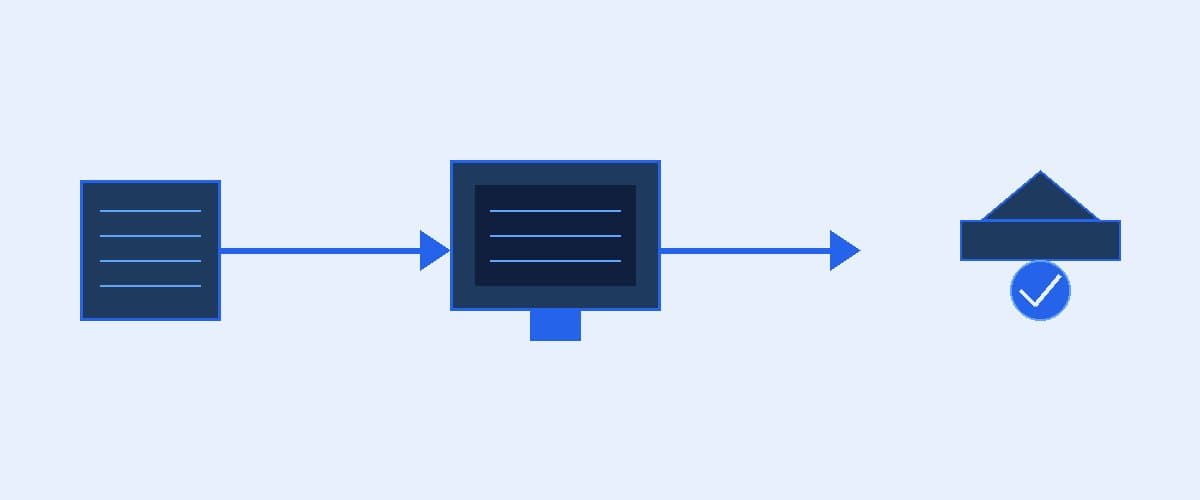
From Crisis to Counseling in 45 Days: NEET 2026's Digital Pipeline Blueprint
NEET UG 2026 was cancelled, re-examined for 22 lakh students, evaluated digitally, and counseling began within 45 days. Here is what every university can learn from that recovery.

NTA Paper Setters Chargesheeted: The Insider Threat No Exam Board Can Ignore
CBI's August 7 action against 3 NTA subject experts in the NEET 2026 paper leak reveals that the greatest risk to exam integrity comes from within. Here is what institutions must do now.
The Hidden Layer of Exam Integrity: Metadata and Digital Audit Trails
Every action in a digital evaluation system generates timestamped metadata. This hidden data layer is proving more valuable than the marks themselves for catching evaluation fraud and ensuring accountability in Indian universities.
What Foreign University Campuses in India Mean for Evaluation Standards
Seventeen international universities are now approved to operate in India under NEP 2020. Their examination frameworks set a new benchmark that domestic institutions can no longer ignore.
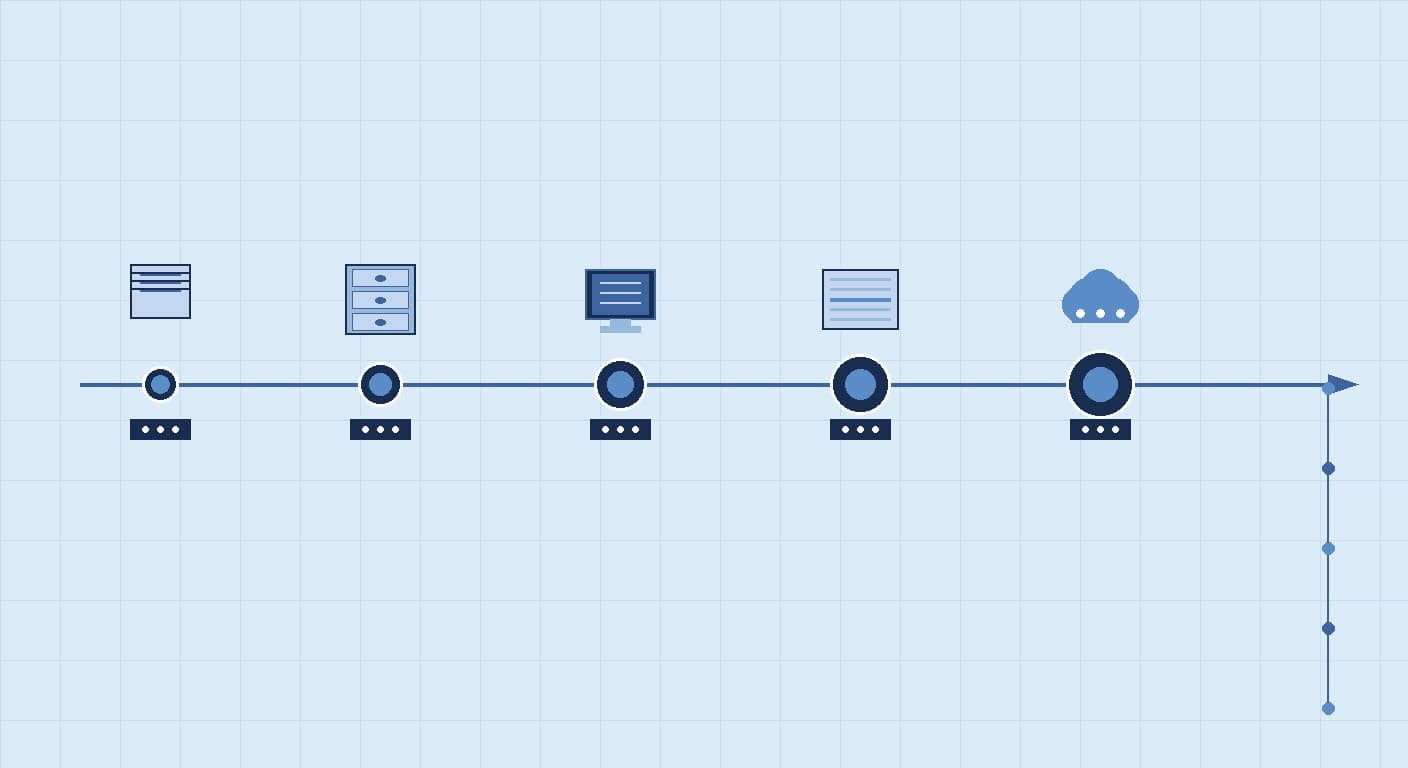
India at 80: Eight Decades of Examination Evolution
From handwritten ledgers to on-screen marking systems, India's examination infrastructure has undergone a quiet revolution alongside its independence journey.

72,000 Karnataka SSLC Students Found Evaluation Errors. Every Board Should Be Paying Attention.
In May 2026, Karnataka SSLC students submitted 72,686 requests for scanned answer scripts and found systematic evaluation errors. One student was awarded 32 marks in English when she deserved 92. The case is a textbook argument for digital evaluation.

THE Impact Rankings 2026: Why India's SDG 4 Score Depends on Your Exam System
India now has 110 universities in the Times Higher Education Sustainability Impact Rankings 2026, making it set to become the second-most represented nation globally. The SDG 4 Quality Education metric directly rewards institutions with transparent, equitable assessment systems.

UGC-NET Results 40 Days Late: What India's PhD Admissions Crisis Reveals
As of August 11, 2026, UGC-NET results from June examinations remain unpublished over 40 days after the exam concluded. Aspirants are protesting at NTA's office, PhD admissions are stalled, and the crisis exposes a systemic gap that every university with its own examination infrastructure should study closely.

India's First AI-Enabled University: What the CCSU Meerut Pilot Means for Examination
On January 28, 2026, Google Cloud and MSDE launched India's first AI-enabled state university pilot at CCSU Meerut. The implications for how Indian universities will handle examination and evaluation at scale are significant.

CLAT 2027 Season Opens: How Law Colleges Can Build an Evaluation Advantage
CLAT 2027 registration opened August 3, 2026, drawing applicants to 25 NLUs and 60-plus affiliated law colleges. Behind the admission numbers is a deeper question about how law schools manage internal assessment, examination records, and accreditation evidence.

NDC 2026: What India's 400 Dental Colleges Must Know About Digital Examination Records
The National Dental Commission Act was notified into force on March 19, 2026, dissolving the DCI and creating a new Dental Assessment and Rating Board. Here is what it means for examination records and institutional readiness.

CBSE Class 10 OSM Revaluation August 2026: What the Numbers Tell Us
As CBSE opens its Class 10 revaluation window in August 2026, data from the first OSM cycle for secondary students reveals patterns that institutions and evaluators should study carefully.
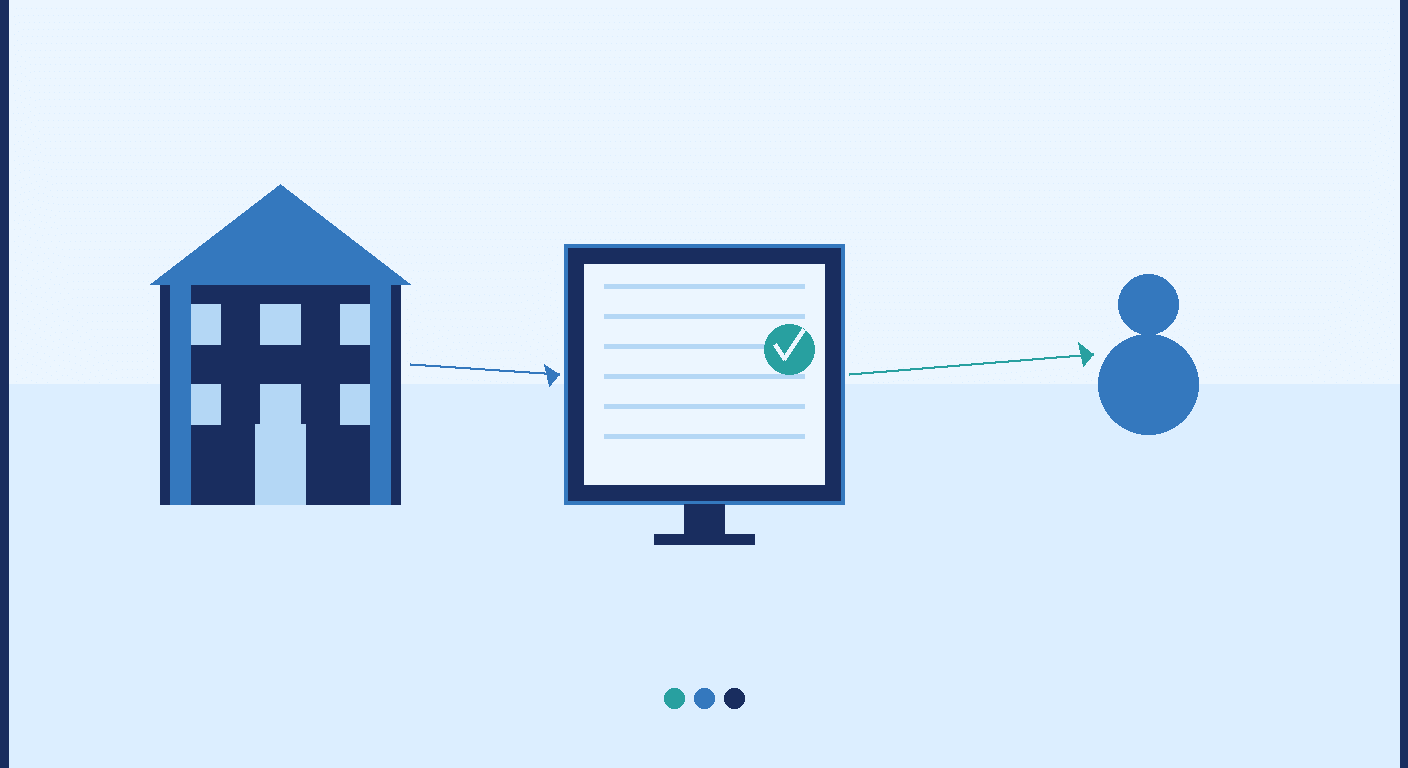
Chhattisgarh Open University's AI-Assisted Evaluation: A Model for State Universities
Pandit Sundarlal Sharma Open University in Bilaspur has deployed AI-assisted digital evaluation for its answer sheets, offering a replicable blueprint for state open universities across India.
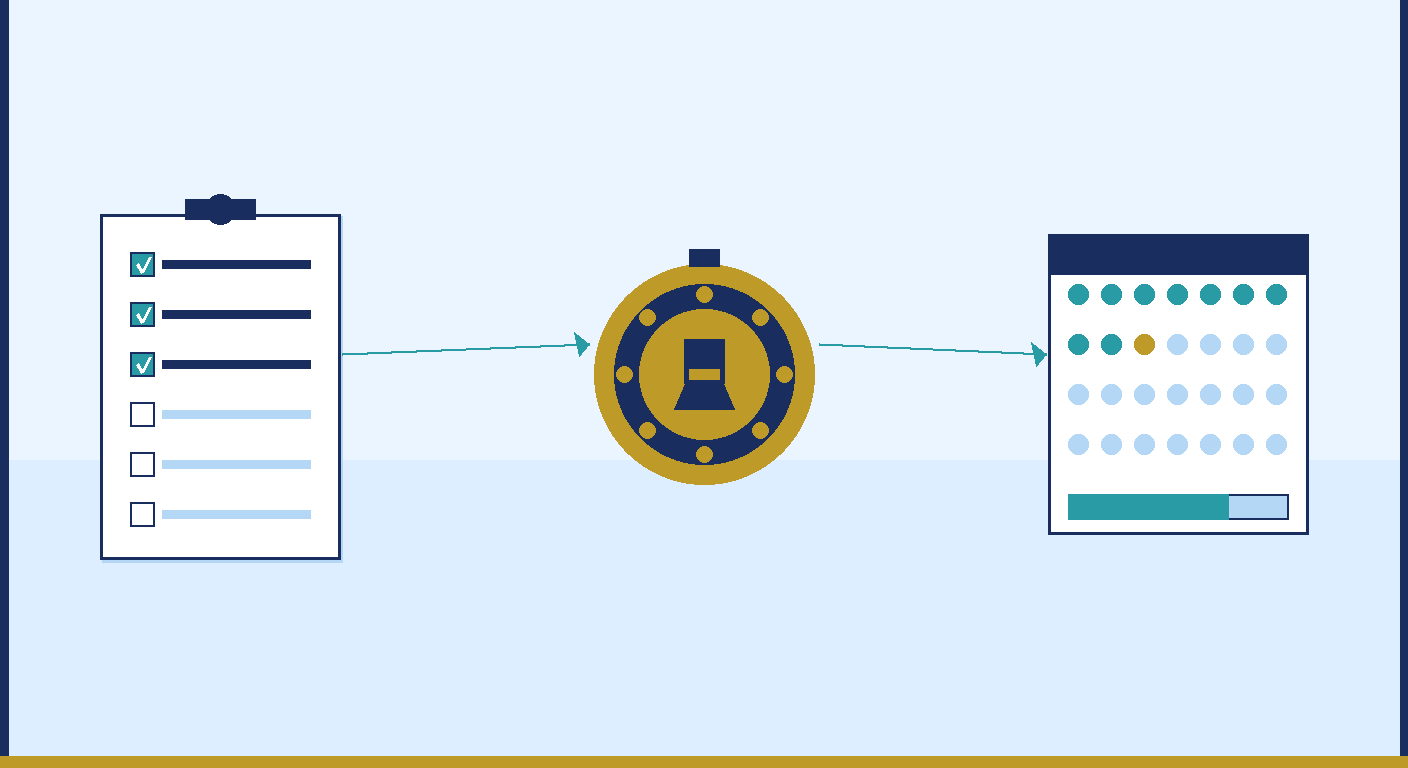
Build a NAAC-Ready Digital Examination Evidence Portfolio in 90 Days
A practical 90-day roadmap for colleges to assemble the digital examination evidence NAAC peer teams look for under Criteria 2, 6, and 7, turning routine examination data into scored accreditation advantage.

How the 2026 Exam Reform Wave Can Lift Your NIRF Ranking
India's 2026 examination reforms — from the PEAA amendment to NEET CBT confirmation to the Nilekani task force — create a concrete opportunity for universities to improve their NIRF standing across multiple parameters.

President Murmu's Address: Exam Security Is Now a National Priority
On August 14, 2026, President Droupadi Murmu made examination integrity central to India's 80th Independence Day eve address — a signal that digital evaluation is no longer optional infrastructure.
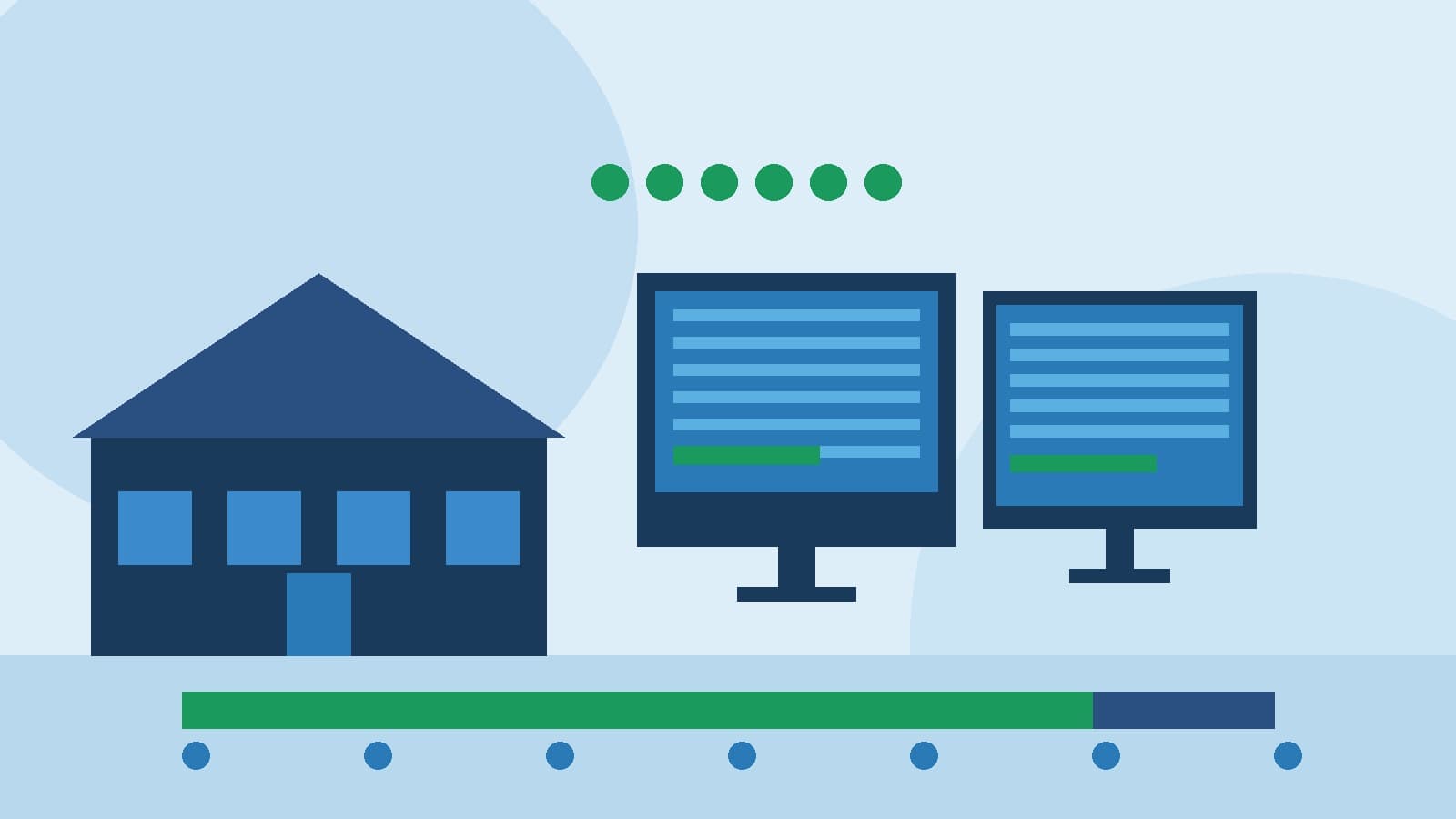
PSEB Punjab's First OSM Season: What Every State Board Must Learn
Punjab became the first state board to pilot on-screen marking in 2026. The outcomes, the process decisions, and the lessons are directly applicable to any university or board considering the same shift.

Bangalore University's Exam Reforms Panel: The Marks Card Delay Problem — and What Digital Evaluation Actually Fixes
Bangalore University formed a Syndicate sub-committee to address chronic delays in marks cards and degree certificates after students missed higher education admissions. Digital evaluation platforms address the root causes of these delays, not just the symptoms.

BCU BCom Paper Leaked on WhatsApp: What Every Affiliating University Must Fix
The Bengaluru City University Advanced Accounting paper leak on January 1, 2026 revealed a systemic gap in how affiliating universities distribute question papers to hundreds of colleges. Here is what happened and the structural fixes that prevent recurrence.

Karnataka SSLC Paper Sold for Rs 500: When Teacher Logins Become the Leak Vector
Six teachers were arrested and two minors detained after Karnataka SSLC preparatory exam papers were downloaded using official teacher login credentials and sold on social media for Rs 200-500. The case exposes a credential security gap that no amount of physical paper security can patch.

How the CBSE OSM Crisis Has Become the Best Argument for Getting Digital Evaluation Right
India's CBSE OSM controversy has made the strongest possible case for universities to invest in properly implemented digital evaluation — and the institutions that act now will see measurable NAAC and NIRF returns.

What PM Modi's Free Coaching Pledge and AI Skilling Drive Mean for University Examination Systems
PM Modi's Independence Day 2026 announcements on free online coaching and AI skilling for 1 crore youth will reshape who takes India's exams — and raise the bar for how universities evaluate them.

The August 21 Supreme Court Hearing on CBSE OSM: What National Regulations Could Mean for Every University's Digital Evaluation System
The Supreme Court of India is scheduled to hear a plea seeking national regulations for On-Screen Marking on August 21. The outcome will affect not just CBSE, but every institution running digital evaluation in India.

India's Gen Z Protest Won. Here Is What It Actually Changed.
Six weeks after tens of thousands of students flooded New Delhi demanding exam accountability, India has a resigned education minister, a Nilekani task force, a new law, and an August 21 Supreme Court date. This is what the protests actually delivered.
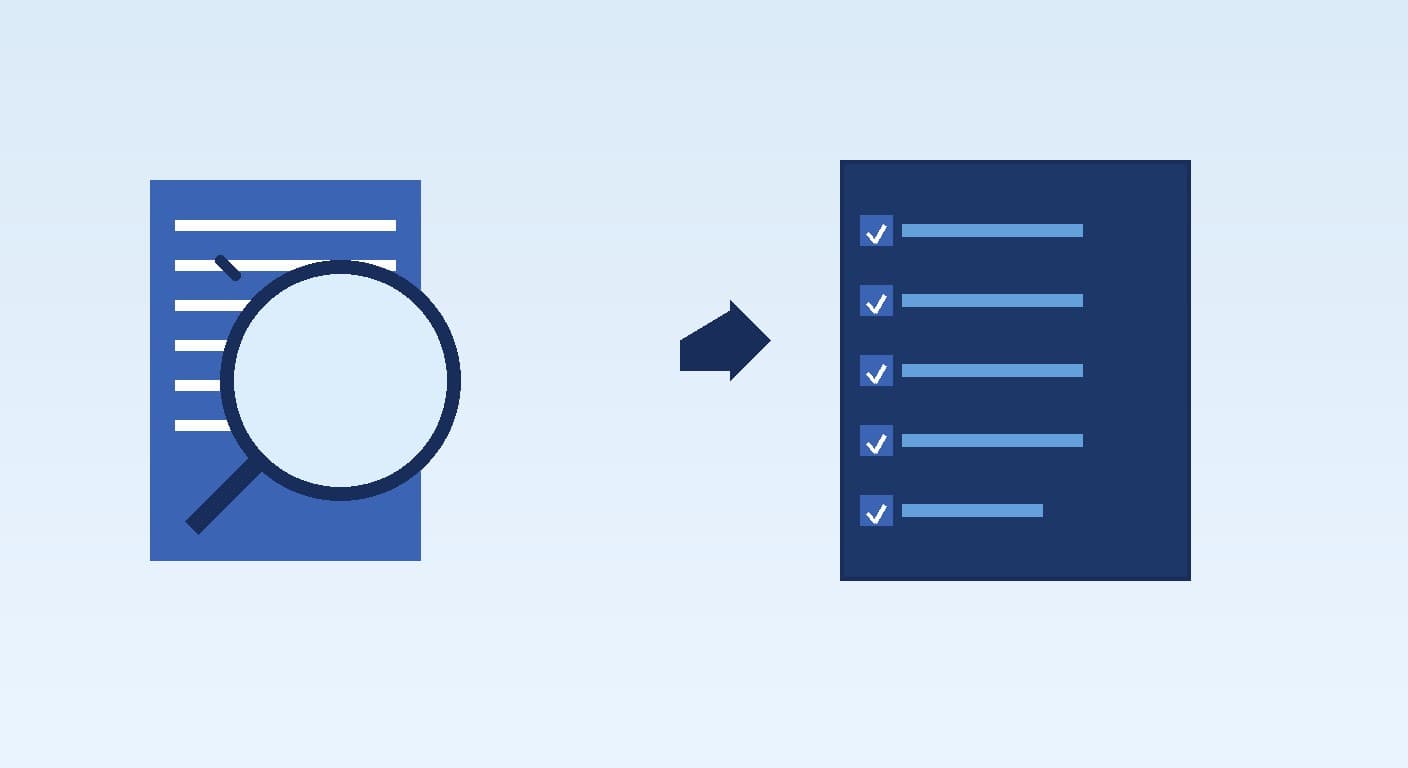
The 51.9% Problem: India's Dropout Rate Reveals a Bigger Crisis Than Paper Leaks
Business Standard's August 2026 analysis shows only 51.9% of Class 1 students reach Class 12. Fixing paper leak security is necessary but insufficient—the examination system was never designed to serve all students.
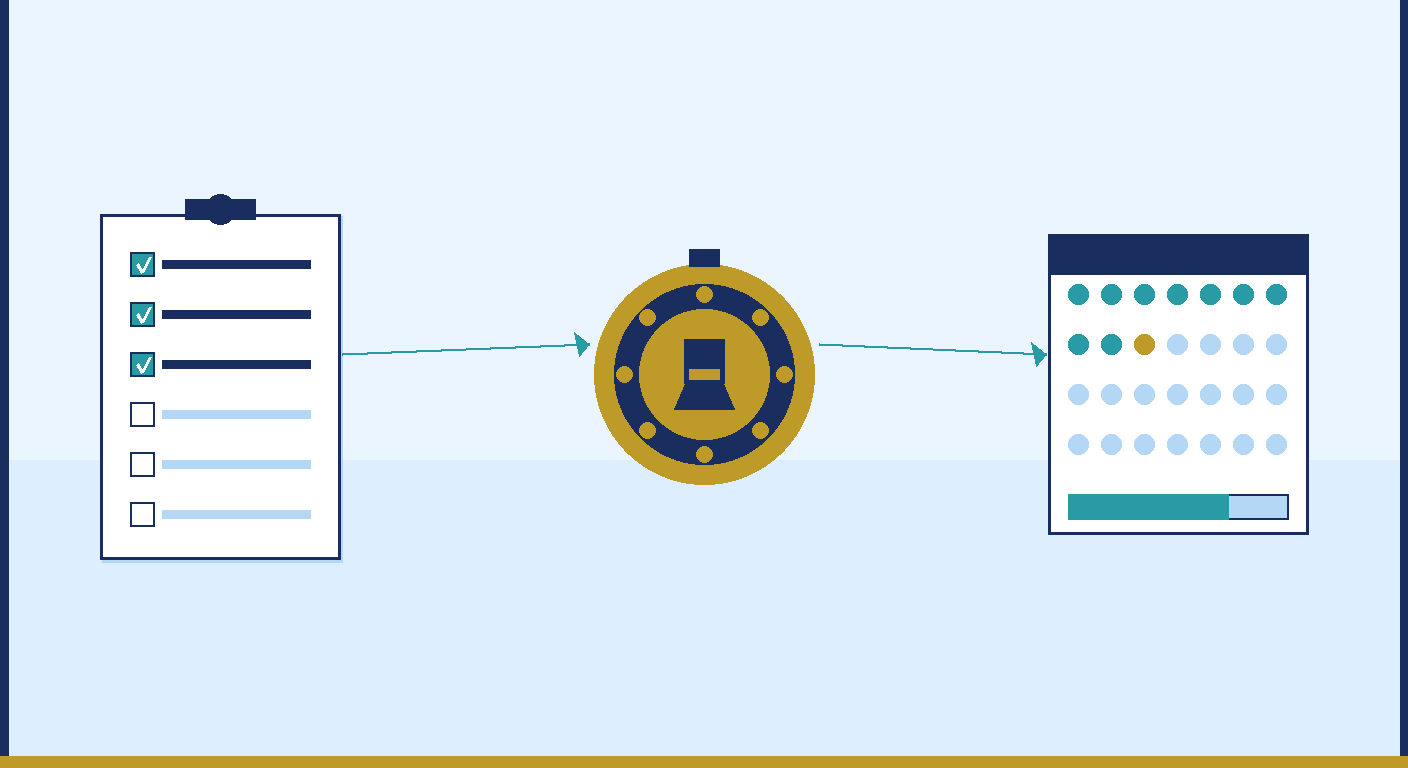
The Three-Year Advantage: How Digital Evaluation Records Transform NAAC Outcomes
Institutions that adopted digital evaluation in 2023-24 now hold three years of verifiable examination records—precisely the evidence window that the current NAAC accreditation cycle is designed to verify. Here is how to use it.
From B to A: How Digital Evaluation Data Helped Three Universities Improve Their NAAC Scores
A behind-the-numbers look at how structured digital answer script evaluation enabled three Indian universities to close evidence gaps and move from NAAC B grade to A in recent reaccreditation cycles.

NTA's War-Footing Overhaul: 600 Experts Out, CISF In, 4-Tier Paper Checks — Lessons for University Exam Boards
On August 17–18, 2026, India's National Testing Agency announced its most sweeping internal restructuring ever. Here is what changed and what every university examination department should learn from it.
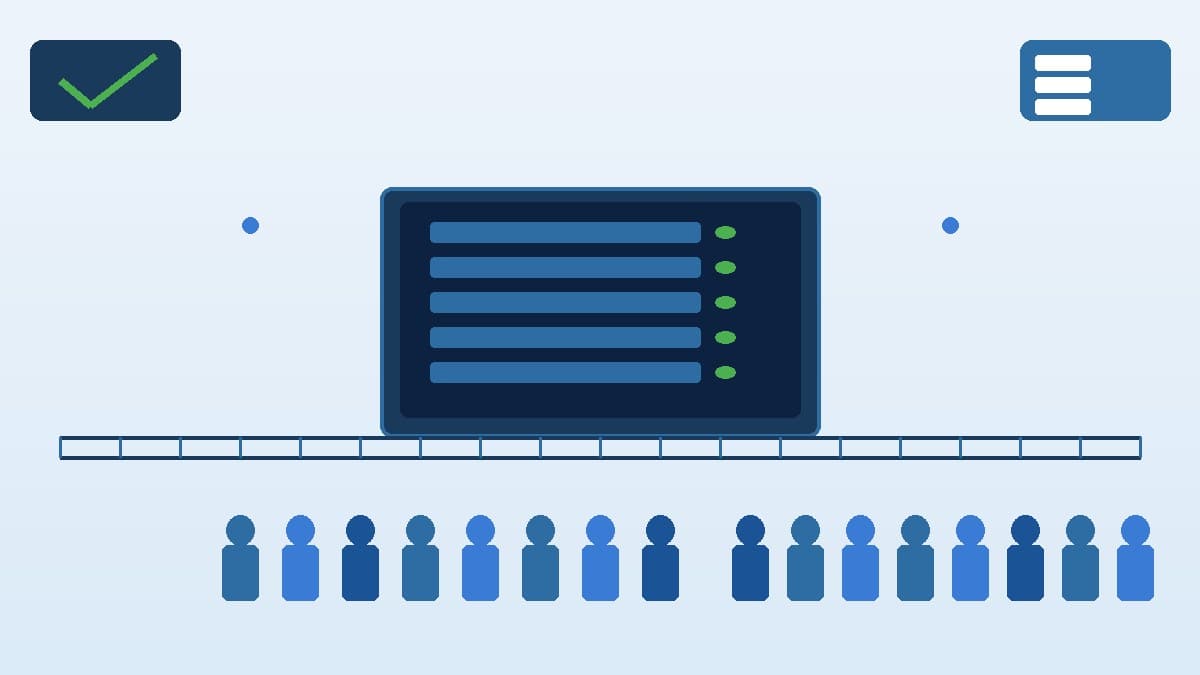
58 Lakh Candidates, Zero Paper Leaks: What RRB Group D CBT 2026 Proves About Digital Exam Infrastructure
India's Railway Recruitment Board is running its largest-ever Computer-Based Test this August across 200 exam centres. The blueprint holds lessons every university examination board should study.

The August 2026 Governance Reset: What Every University Exam Office Must Act On
From the NTA's four-tier security overhaul to the Supreme Court's OSM hearing and the Nilekani panel, August 2026 brought a cascade of regulatory changes. Here is what university examination departments need to act on before the next semester cycle.

Karnataka UUCMS: How One State Unified Examination Across 33 Universities
Karnataka's Unified University and College Management System covers 33 universities and 3,500+ colleges under one digital platform — and has saved Rs. 450 crore since 2021. Here is what every state higher education department can learn from it.

What UGC-NET's September 2026 Re-Exams Reveal About Question Paper Quality
The NTA ordered full re-exams for UGC-NET English, Commerce, and Sociology after systematic failures — recycled questions, mangled scholar names, translation errors. The lessons apply to every institution setting examination papers.

Digital Evaluation as Academic Capital: Building Institutional Reputation Beyond Accreditation
Most institutions adopt digital evaluation for NAAC, NBA, and NIRF compliance. Those that treat evaluation analytics as a strategic academic asset build reputations that outlast any single accreditation cycle.

Kerala's Law College Evaluation Crisis: The Professional Schools Digital Systems Are Leaving Behind
A Kerala Vice-Chancellor's inquiry into law college paper evaluation on August 20, 2026 reveals how professional education institutions — law, management, and pharmacy — remain outside India's digital evaluation revolution despite high-stakes outcomes.

NTA's 600-Expert Purge: What India's Exam Ecosystem Reveals About Evaluator Quality
NTA's August 2026 removal of 600 subject experts following UGC-NET paper errors exposes a systemic evaluator vetting problem that extends far beyond national testing agencies to every university and board across India.

Digital Evaluation as a Student Retention Strategy: The Evidence Higher Education Leaders Need
India loses more than 3.5 crore higher education students to dropout each year. Research consistently links evaluation delays, opaque grading, and unresolved grievances to student disengagement. Here is how digital evaluation directly addresses each of these retention drivers.
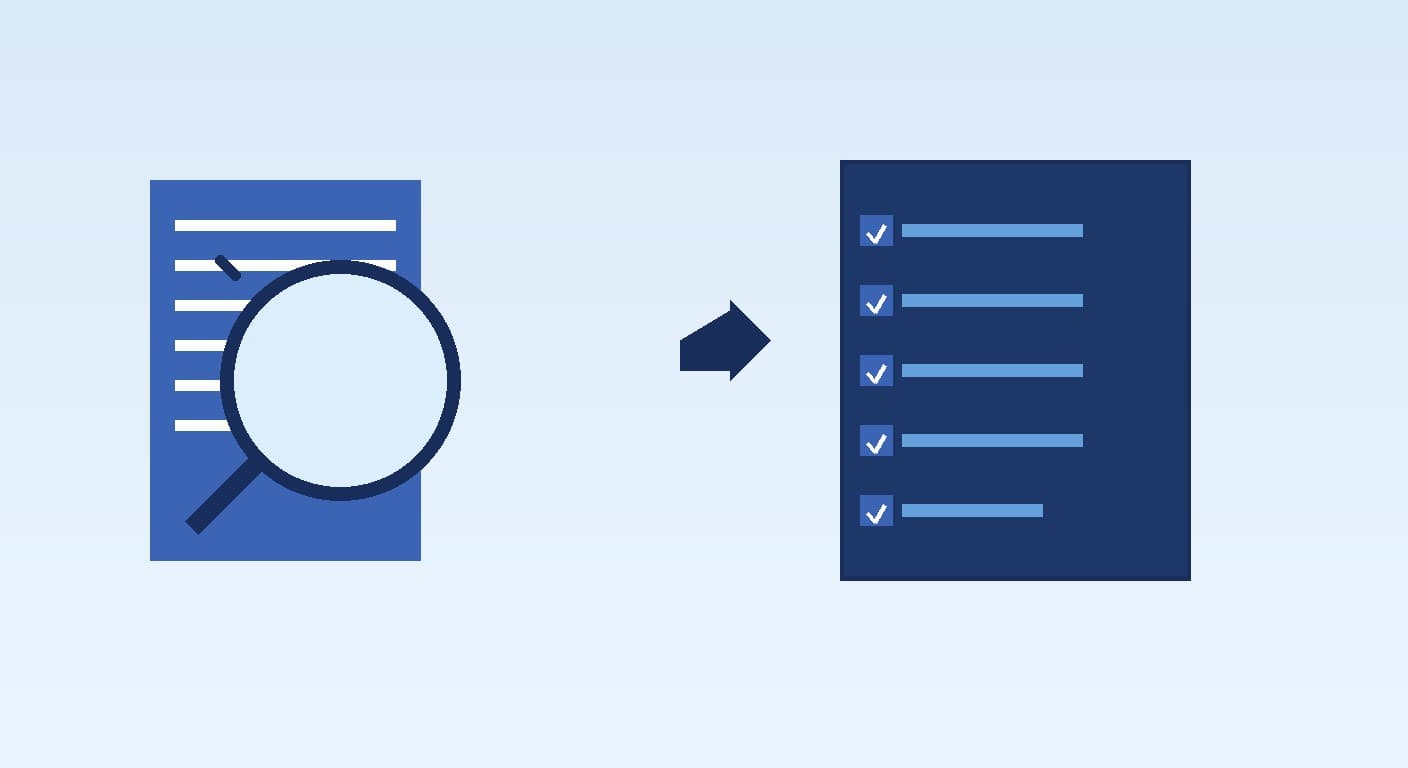
India's Exam Reform Crisis: A 90-Day Progress Report for Universities
From the CBSE OSM controversy in May to the Supreme Court's August 21 order, India's examination system has undergone its most dramatic overhaul in decades. Here is what changed, what is still pending, and what every university exam office must do before the next semester.

NIRF 2026 Rankings Imminent: How Digital Examination Data Shaped This Year's Results
The Ministry of Education is expected to release NIRF 2026 rankings in the last week of August 2026. For the first time, institutions that maintained clean, auditable digital examination records throughout a year of national examination chaos will have a measurable data advantage.

Affiliated, Autonomous, or Deemed: Your Institution Type Shapes Your Evaluation Readiness
The path to digital evaluation looks very different depending on whether you are an affiliated college, an autonomous college, or a deemed university. Here is a clear-eyed comparison for 2026.

Kerala University's LLB Revaluation Scandal: What the August 2026 FIR Reveals
Mark discrepancies, student protests, and an FIR against 60 people including the SFI state president expose exactly what goes wrong when manual revaluation has no digital audit trail.

Six Experts, One Mission: What the Nilekani Task Force Signals for University Evaluation
PM Modi's July 26 task force is not just about NEET and entrance exams. The specific backgrounds of its six members reveal what compliance expectations are coming for every institution that evaluates subjective answer sheets.

The Rs 2,500 Camera That Leaked an Exam: India's Physical Paper Security Gap
A Chhattisgarh professor used an endoscopy camera to read questions through a sealed envelope and sell them for Rs 11,000. The case exposes a security vulnerability that digital evaluation of answer sheets cannot fix.
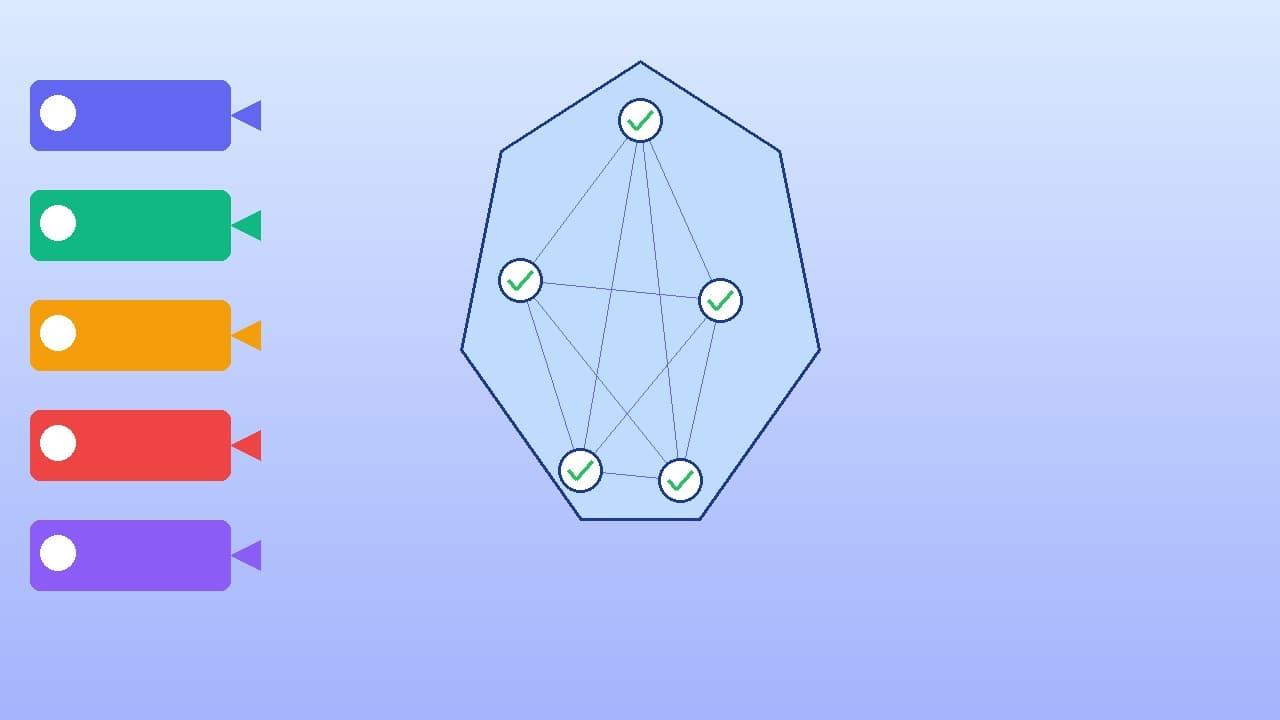
Five Factors That Separate Successful OSM Rollouts from Failed Ones in India
India's 2026 examination season produced both high-profile digital evaluation failures and quiet successes. The institutions that got it right share five operational characteristics that others can adopt.

The Six-Week Countdown: Digital Evaluation Readiness for October Exams
With October semester examinations six weeks away, Controllers of Examinations have a narrow window to audit infrastructure, train evaluators, and configure scanning centres. Here is a week-by-week operational checklist.
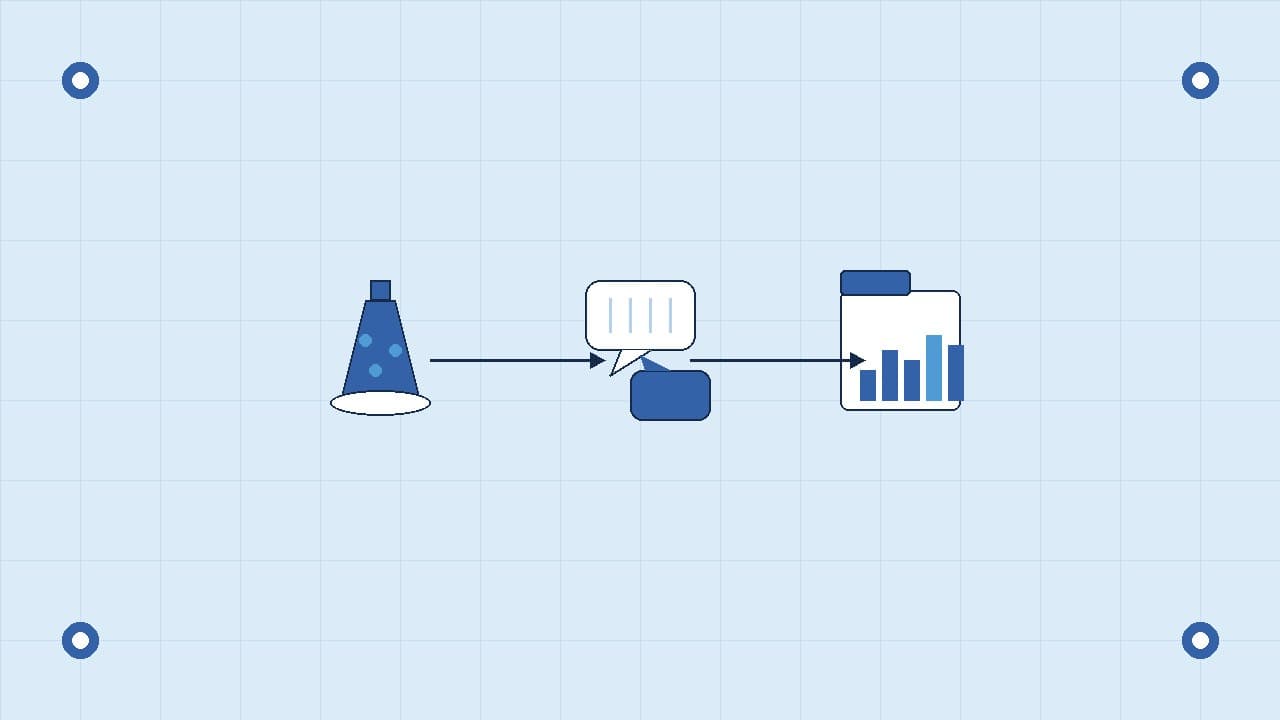
Beyond Written Papers: Digitising Viva, Lab, and Project Assessments in Indian Universities
Onscreen marking has transformed how Indian universities handle written exams, but viva voce, laboratory exams, field projects, and seminar evaluations — which can account for 30 to 50 percent of a student's final marks — remain largely paper-based and informal. NEP 2020 is expanding exactly this category of assessment.

Building Your NAAC MBGL Evidence Portfolio in 2026-27: What Digital Evaluation Delivers
NAAC's new Maturity-Based Graded Level framework requires structured, verifiable evidence across seven criteria. Institutions building their evidence portfolio for MBGL assessment in 2026-27 will find that digital evaluation infrastructure generates exactly the data that matters most for Criteria 2 and 6 — and contributes meaningfully to five others.
India's Public Examinations Amendment Act 2026: What It Demands of University Digital Infrastructure
The Public Examinations Amendment Act 2026, which received Presidential assent on July 31, 2026, introduces fast-track courts, mandatory 90-day trials, and 10-year jail terms for exam fraud — and every one of those provisions depends on digital evidence that universities must now be able to produce.

Delhi University's Subject-Teacher Digital Evaluation: A Blueprint for OBE at Scale
Delhi University has announced that OBE answer sheets will be evaluated digitally by subject teachers — the faculty who taught the course. Here is what this model means for evaluation quality, compliance, and replication at other universities.
India's Fastest Exam Results in 2026: Three Institutions That Got It Right
J.C. Bose University, Punjab's PSEB, and Telangana's TS-EAMCET all declared results in record time in 2026 by adopting digital evaluation. Here is what they did, why it worked, and what other institutions can replicate.
UGC 2026: Students Can Now Access Their Evaluated Answer Scripts. Is Your Institution Ready?
New UGC guidelines give students the right to access their evaluated answer scripts. For institutions running paper-based evaluation, this creates a storage, retrieval, and legal compliance burden that digital evaluation systems eliminate by design.

National Pharmacy Commission Bill 2026: What PARB and the Exit Test Mean for Pharmacy Colleges
The proposed NPC Bill replaces PCI with a new Pharmacy Assessment and Rating Board and introduces a B.Pharm exit test. Over 5,000 pharmacy colleges must now rethink their examination infrastructure.
PER 2.0: India's Shift to Systemic Exam Integrity Architecture
Public Examination Reform 2.0 moves India beyond reactive breach response to lifecycle-oriented security. Here is how digital evaluation of answer sheets anchors that architecture.
UGC's Unified 2(f)/12B Portal: Why Colleges Must Digitise Exam Records Now
UGC launched a unified portal for 2(f) and 12B recognition in August 2026. Both statuses now require time-bound digital documentation — and digital examination records are central evidence.

Supreme Court Closes the CBSE OSM Chapter: August 25 Ruling and University Dispute Lessons
The Supreme Court on August 25, 2026 declined to reopen CBSE's re-evaluation portal for OSM grievances. What this ruling means for how universities must design their own examination dispute resolution windows.

The Green Campus and the Paperless Exam Room: Digital Evaluation as an ESG Asset
Indian universities face growing ESG reporting expectations from UGC, NAAC, and international ranking bodies. Digital evaluation eliminates one of higher education's least visible but largest sources of paper waste — and generates verifiable sustainability data in the process.

The JRF Pipeline Crisis: UGC-NET August 2026 Delay and India's PhD Research Ecosystem
Over a month after the June 2026 UGC-NET exams, 7.5 lakh candidates await results. For JRF-qualified candidates, every passing week means a shrinking PhD admissions window — and a research ecosystem that is running on empty.
Arts and Humanities Colleges Face the Biggest NAAC Risk From Manual Evaluation
NAAC's binary accreditation framework now requires verifiable digital evidence of examination transparency under Criterion 2.5. For arts and humanities colleges still running manual evaluation, the accreditation gap is widening fast.
Slow Results Are Costing Colleges Their Best Students — Digital Evaluation Is Fixing This
Indian students who miss overseas application deadlines because results arrive too late are increasingly choosing to stay abroad for good. Faster digital evaluation turnarounds are emerging as an unexpected defence against India's study-abroad talent drain.
The Exam Reform Consultation Is Open Until September 13 — What Your Institution Should Submit
India's six-member exam reform task force, chaired by Nandan Nilekani, is collecting public input until September 13, 2026. Institutions that have adopted digital evaluation have concrete, evidence-backed cases to make.

The CBSE OSM Effect: How Evaluation Transparency Became a College Admission Criterion in 2026
After the CBSE on-screen marking controversy, students and parents began asking universities a new question during admissions: how are your answer sheets evaluated? The institutions that have a clear answer are winning enrollments.

Beyond Results: How Digital Evaluation Data Drives Faculty Development and Teaching Quality
Answer sheet analytics reveal more than student performance—they expose curriculum gaps, pedagogy mismatches, and faculty calibration issues. Here is how universities are turning evaluation data into teaching improvement.

ISO 21001:2018 and Digital Evaluation: The Quality Standard Reshaping Indian Examination Governance
ISO 21001 is the international management system standard for educational organizations—and digital evaluation is the fastest path to compliance. Here is what Indian universities and colleges need to know.

Bihar BPSC Protests August 2026: What State Recruitment Exam Crises Mean for Digital Evaluation
Thousands of students clashed with police in Patna on August 25 over the 70th BPSC exam. Within 48 hours, Bihar capitulated on TRE-4 structure. The pattern has become familiar—and it points directly to the absence of tamper-proof digital systems in state recruitment exams.

India's 40% Graduate Unemployment: How Exam Credibility is the Hidden Variable
Graduate unemployment among India's 15-to-25-year-olds stands at close to 40% according to the State of Working India 2026 report. The exam system's credibility crisis is not just a student welfare issue—it is a structural barrier to labour market trust.

Nilekani Task Force Deadline September 13: A Guide for Institutions on Digital Evaluation Evidence
The High-Powered Task Force on examination reforms is accepting public submissions until September 13, 2026. Here is what universities, autonomous colleges, and exam bodies should submit—and why digital evaluation data is the most credible evidence you can offer.

Five Examination Data Points NAAC's AI Verification System Checks Automatically
NAAC's new AI-based accreditation framework cross-references institutional claims against AISHE, NIRF, and government databases automatically. Institutions with digital examination records pass this check. Those without face prolonged manual scrutiny.

What India's Exam Reform Task Force Is Expected to Recommend: A University Preview
The Nilekani-led High-Powered Task Force closes its public consultation on September 13. Based on expert profiles, public inputs, and policy signals, here is what universities can expect from the final report.

From Courtroom to Campus: How CBSE OSM Litigation Is Writing India's Examination Technology Law
The Supreme Court's rulings on the CBSE OSM controversy are creating implicit legal standards for digital examination systems that will apply to all examination bodies — boards, universities, and autonomous colleges.

CBSE's OSM Rebuild for 2026-27: What the Board Is Doing Differently Before the Next Cycle
With a new chairman, an inquiry committee verdict, and binding Supreme Court directions, CBSE is redesigning its on-screen marking system for 2026-27 Class 12 examinations — here is what is changing and what it signals for the broader sector.

NAAC Accreditation After the Crisis: How New Legal Standards Reshape What Peer Teams Expect
The Supreme Court's August 2026 directions on digital examination standards have created implicit accreditation benchmarks — institutions with verifiable digital evaluation records now hold a structural advantage in NAAC and NIRF processes.
The Odd-Semester Exam Clock: What University Controllers Need to Do in September
With the new academic year underway and November-December exams roughly ten weeks away, this is the critical preparation window for exam offices that want to avoid the failures of the 2026 crisis season.
Seven Ways Digital Evaluation Platforms Fail: A Business Continuity Guide
India's 2026 examination season documented platform crashes, cyberattacks, scanning failures, and data migration disasters. Every university exam office needs a written response plan for each scenario before the next semester begins.

India's Global Rankings Surge in 2026: What Examination Data Has to Do With It
India reached 5th globally in QS 2027 and is set to become the 2nd most represented nation in THE 2026. The mechanisms linking these milestones to examination quality are specific, measurable, and replicable.

What the Nilekani Consultation Is Hearing: Five Themes From India's Examination Crisis
The High-Powered Task Force on exam reforms closes public submissions on September 13. Reports from the consultation reveal five recurring themes that universities must understand — and act on — regardless of the final recommendations.
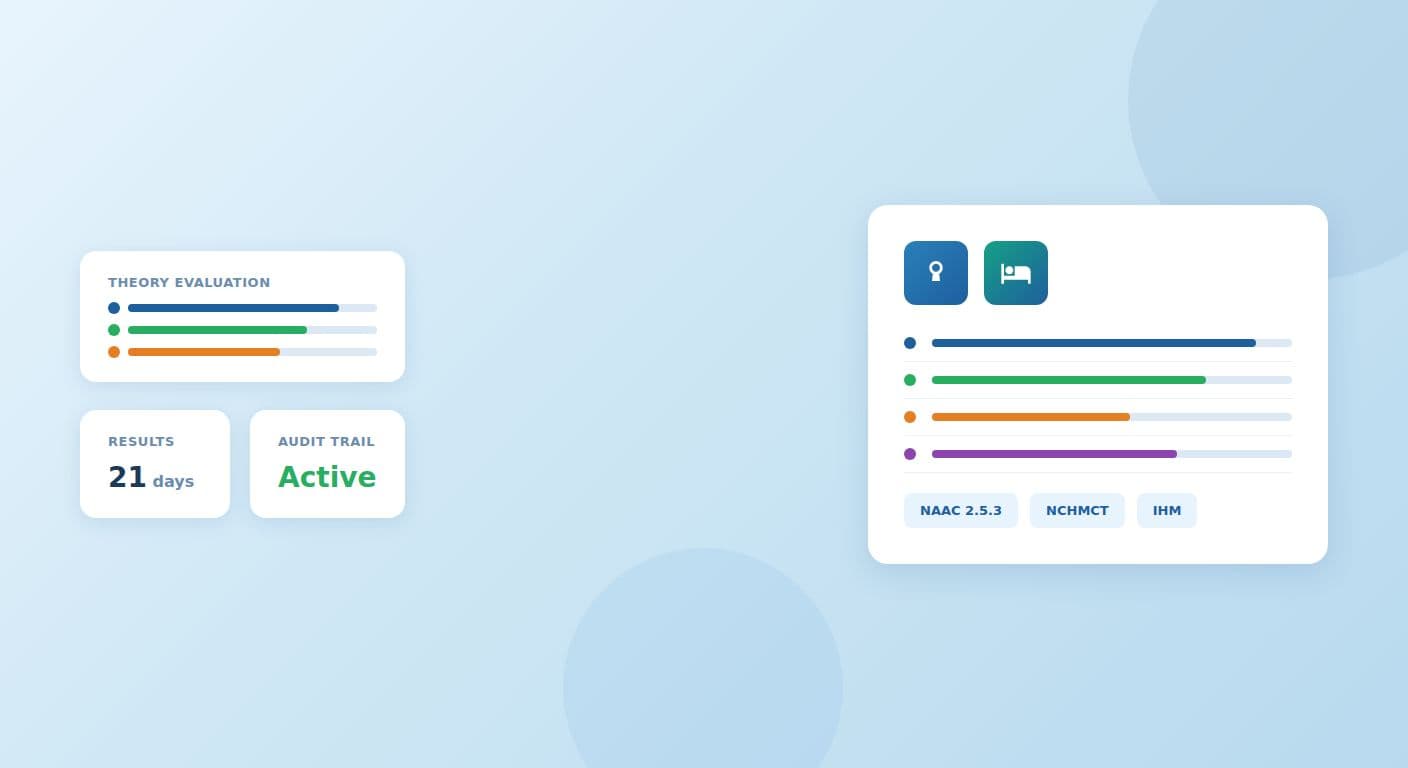
Hotel Management Colleges and Digital Evaluation: A Sector Guide
India's 200+ NCHMCT-affiliated hotel management institutions face unique examination challenges. Here is how digital evaluation platforms are helping them meet NAAC criteria and scale their assessment workflows.
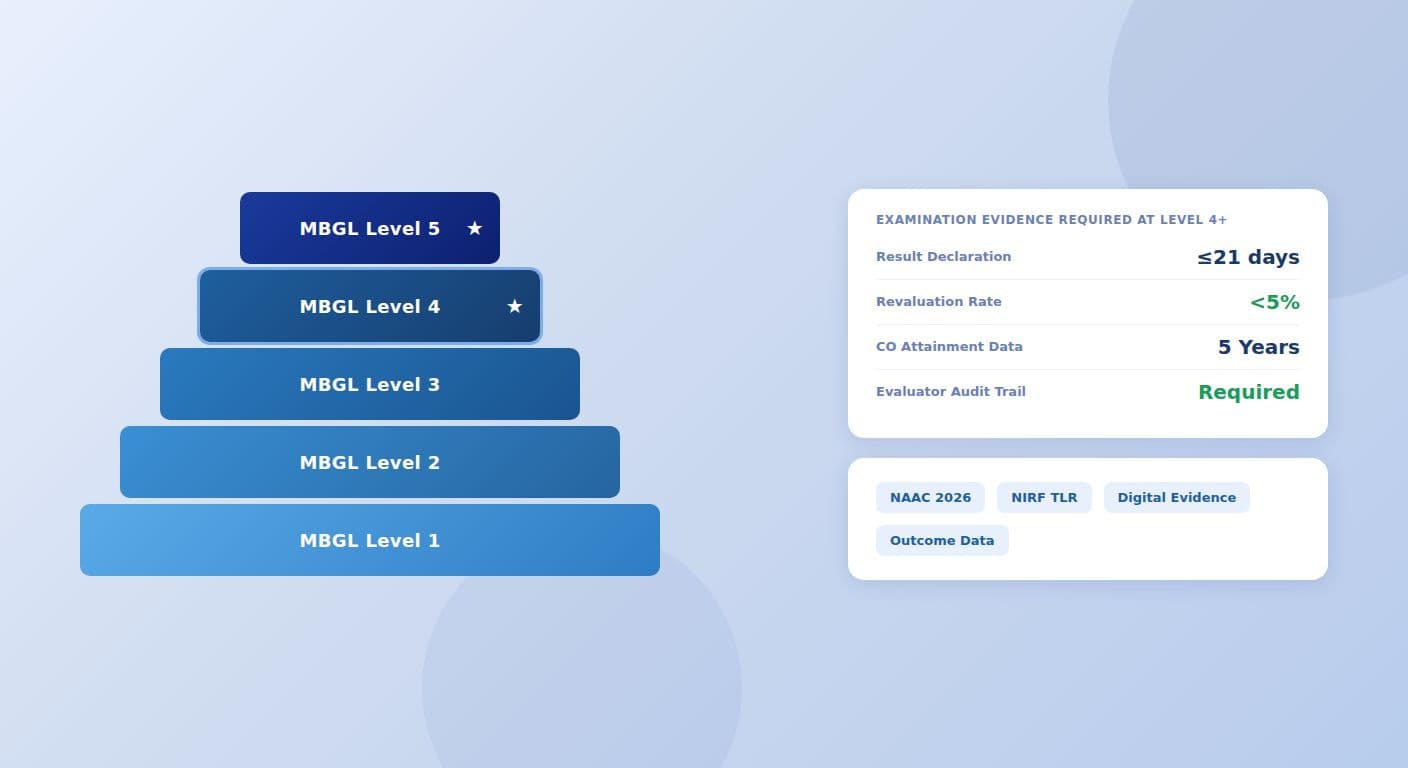
NAAC MBGL Level 4 and 5: The Examination Evidence Only Digital Systems Can Generate
Fewer than 3% of Indian institutions will ever qualify for NAAC MBGL Level 4 or 5. The examination data evidence required at these levels is structurally impossible to produce from a manual evaluation workflow.
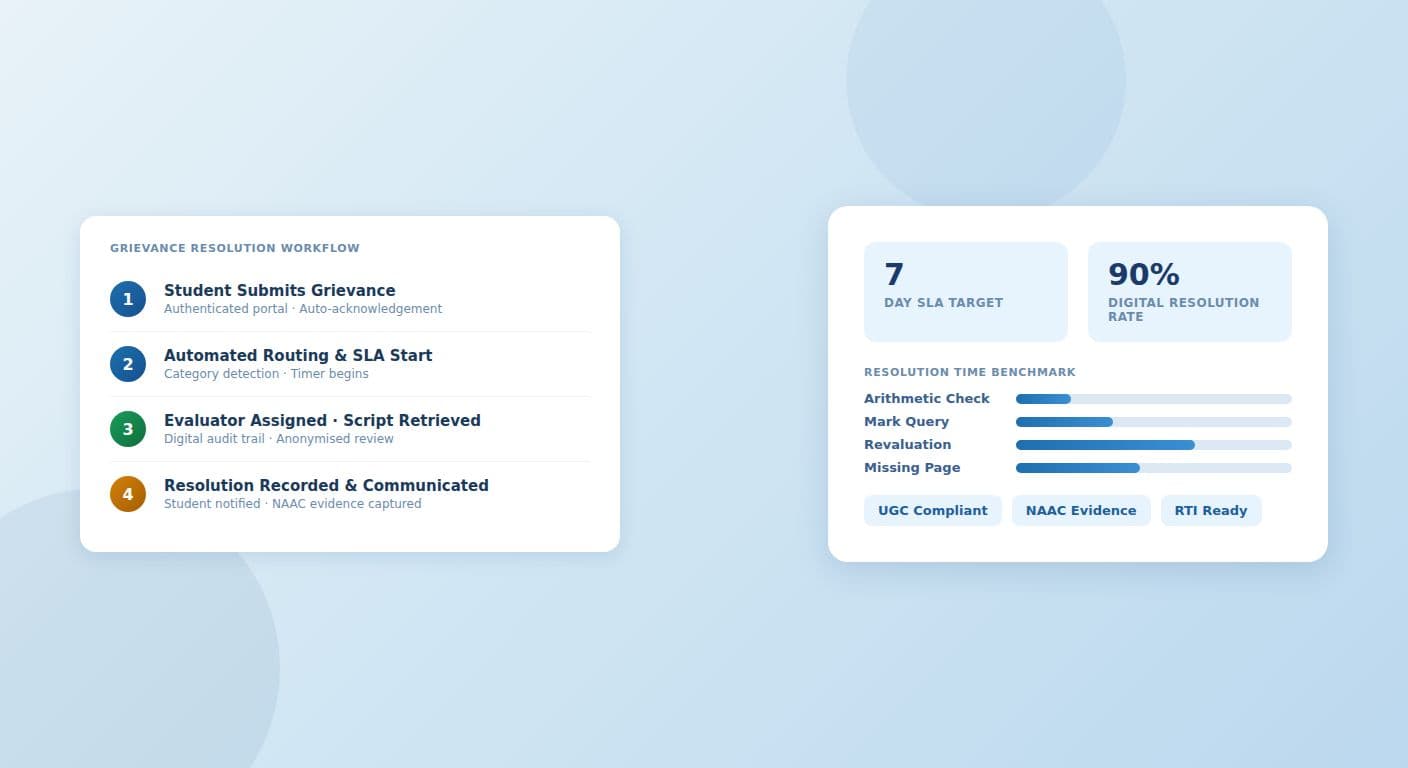
Building a Digital Examination Grievance Redressal System: A University Guide
Indian universities face a surge in revaluation applications and court challenges. A structured digital grievance system reduces legal exposure, resolves disputes faster, and generates NAAC compliance evidence automatically.

Getting Faculty Buy-In: A Governance Framework for Adopting Digital Evaluation
When an academic council votes on digital evaluation, the decision lives or dies on how well administrators present the case — this guide walks through the governance process and what evidence to bring to each stage.

AYUSH Colleges and Digital Evaluation: Meeting NMC and CCIM Requirements in 2026
India's 3,800+ AYUSH colleges face growing regulatory pressure to modernise examination workflows — here is what digital evaluation compliance looks like in practice for BAMS, BHMS, BUMS, and BNYS institutions.

Transparent Evaluation as a Brand Advantage: How Universities Are Winning Students in 2026
After two consecutive years of high-profile exam controversies, students and parents are actively researching institutional evaluation integrity before enrolling — universities with verifiable, tamper-proof OSM systems are pulling ahead.
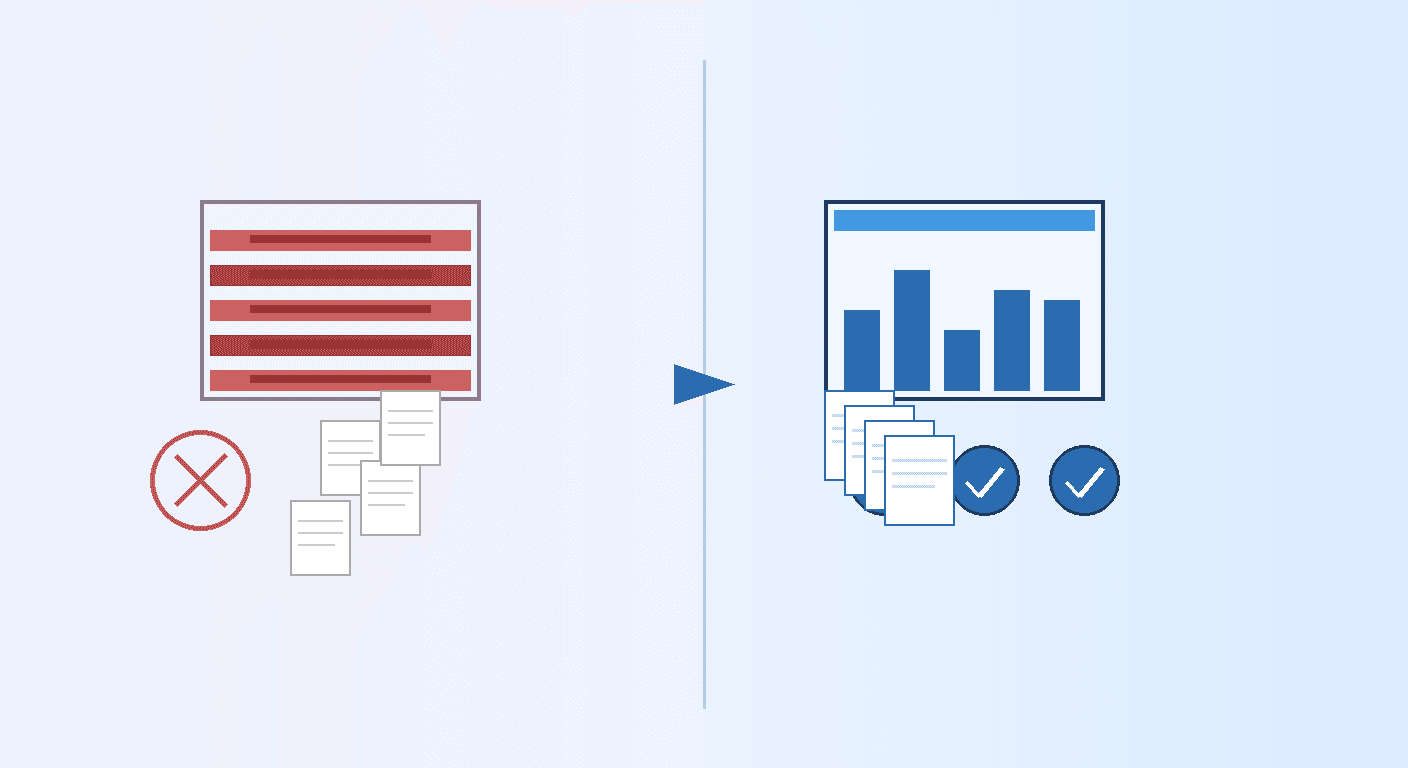
What CBSE Got Wrong and J.C. Bose Got Right: India's 2026 OSM Crisis
The CBSE on-screen marking crisis of 2026 exposed systemic failures in digital evaluation deployment. The same exam cycle produced a quiet success story that shows exactly what works.
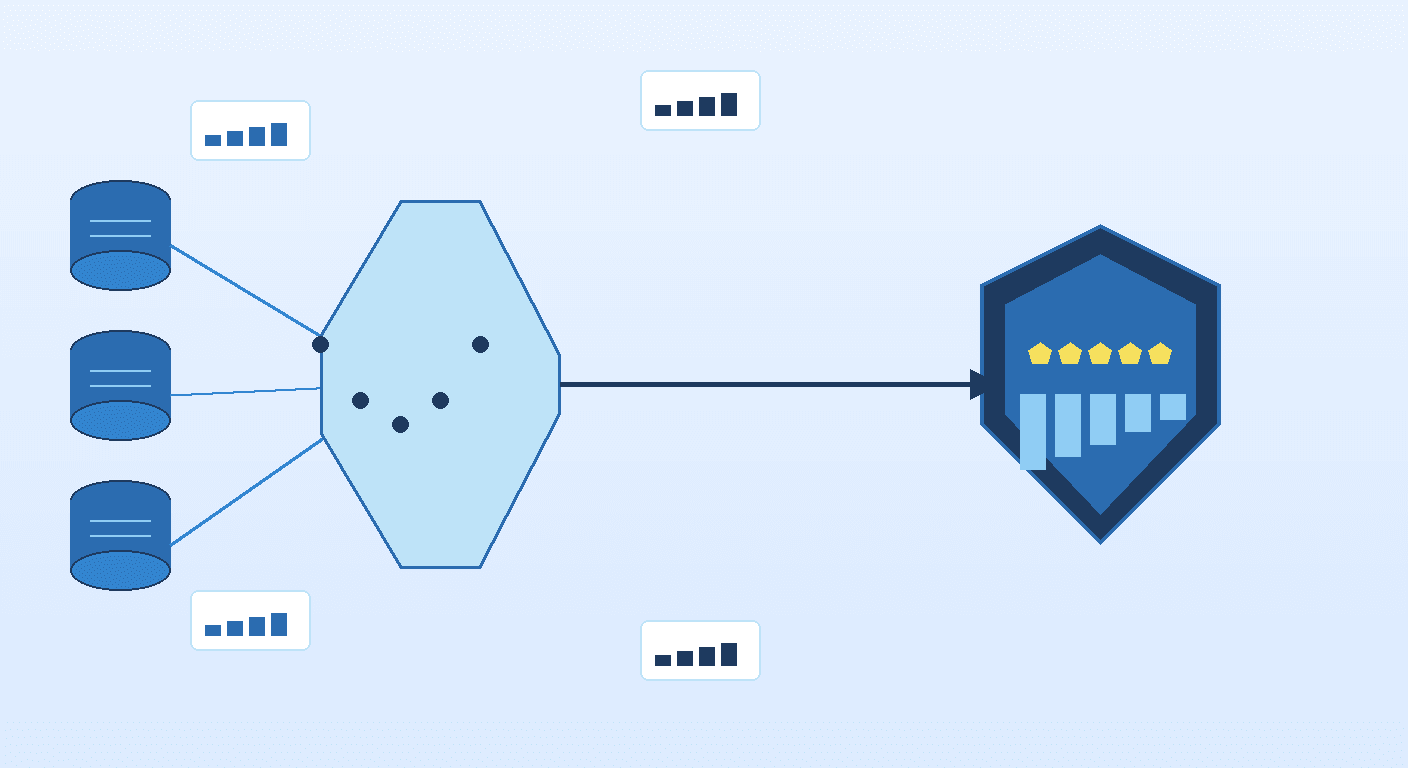
Your Exam Data Is Now Your NAAC Score: What India's New Framework Demands
NAAC's redesigned accreditation framework, operational since February 2025, requires institutions to submit structured digital data. Your examination processes are central to the evidence — and paper-based records cannot meet the new standard.
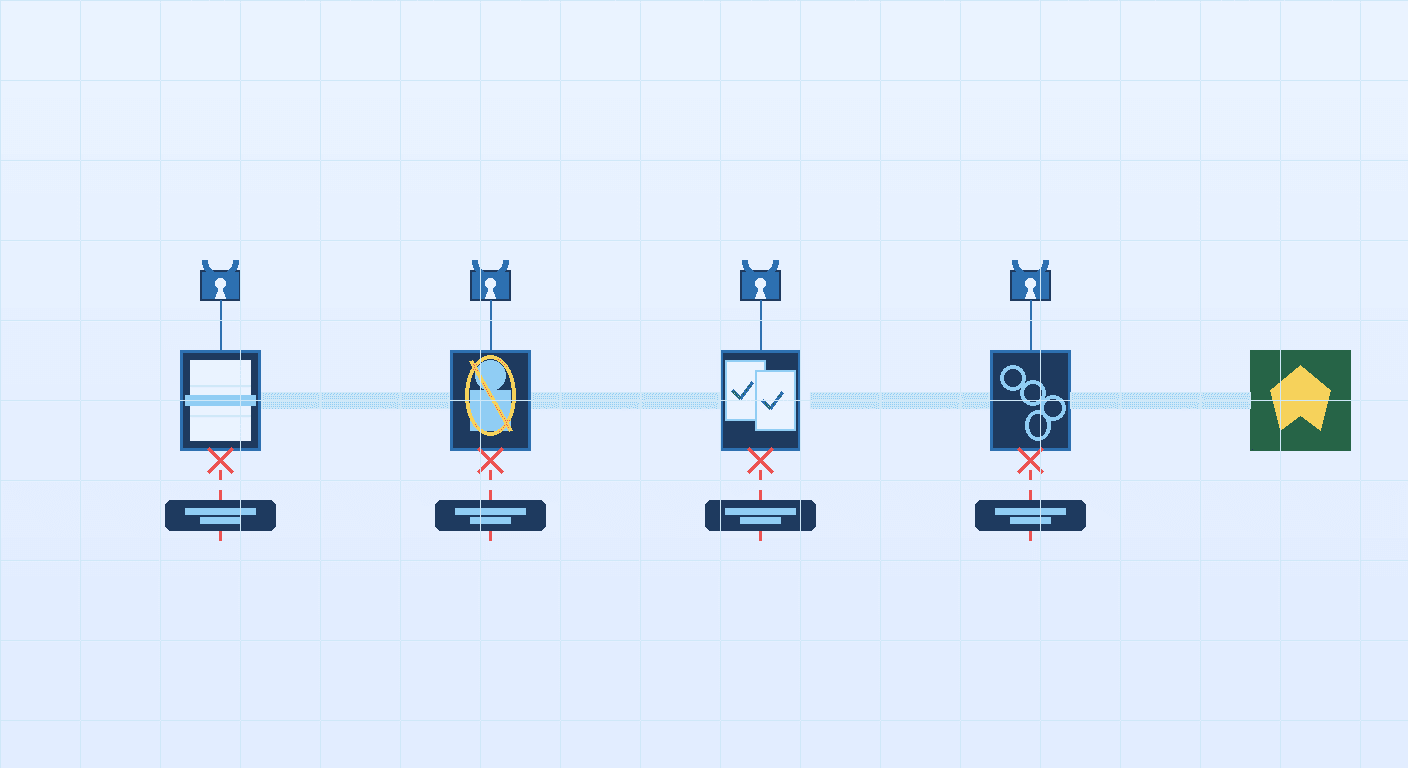
India's Exam Integrity Gap Is at the Evaluation Stage — Here's the Architecture That Closes It
While India's anti-paper leak policy focuses on the pre-exam supply chain, a parallel vulnerability persists at the evaluation stage. Digital evaluation with the right architecture eliminates post-exam tampering structurally, not procedurally.
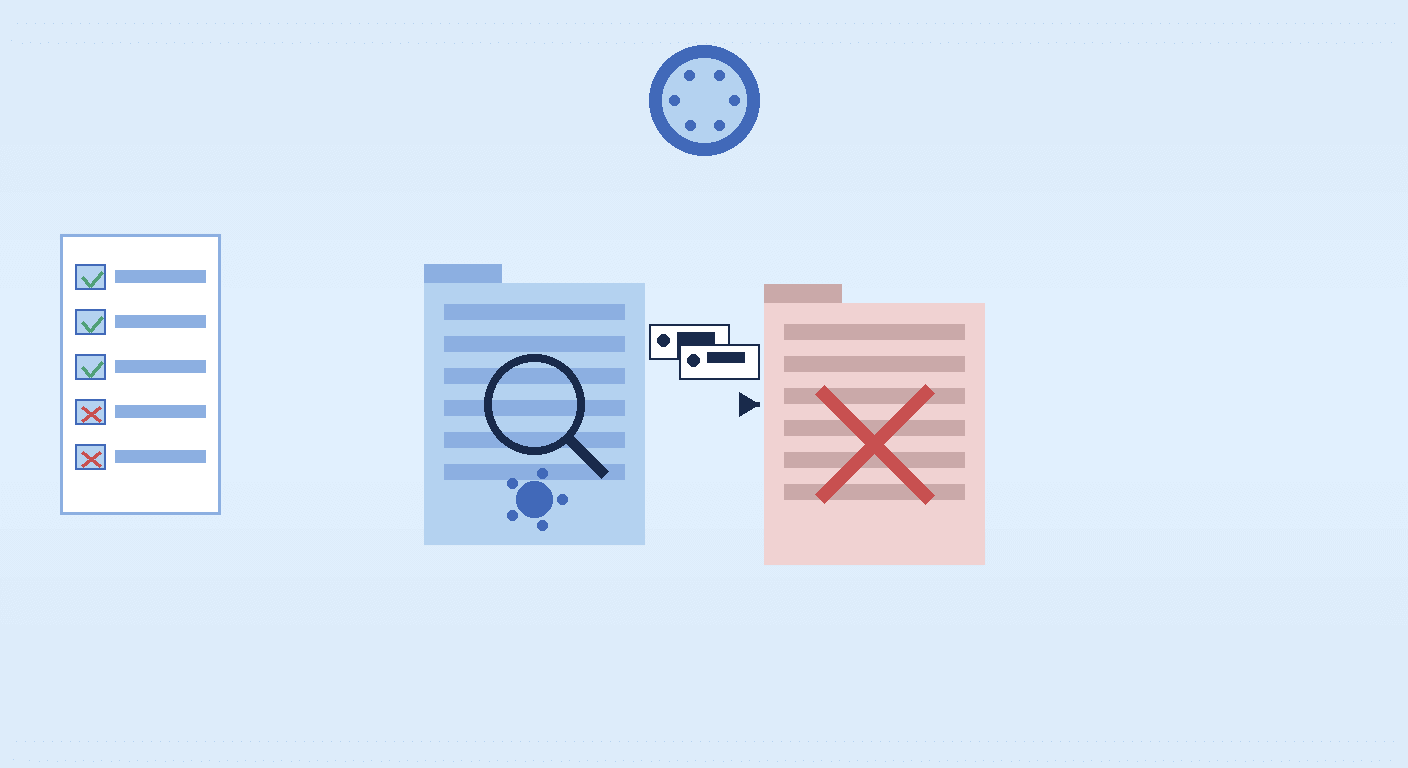
The L1 Bidding Trap: What India's Biggest OSM Failure Teaches University Purchase Committees
CBSE's 2026 on-screen marking disaster traced directly to a lowest-bidder contract awarded 66 days before national rollout — here is what procurement committees must demand instead.
Who Owns Your Exam Data? The Coempt Takedown and the Case for Institutional Data Control
When CBSE shifted 1.6 lakh students' evaluation records off a private vendor's servers onto government infrastructure in June 2026, it exposed a vulnerability that every Indian university shares.

NAAC's MBGL Framework Decoded: What Each Maturity Level Demands from Your Exam Systems
India's new Maturity-Based Graded Levels accreditation track creates a five-rung ladder — and digital examination infrastructure determines how high your institution can climb.